Skip to content

GraphiQL vs SQLite

Professional comparison and analysis to help you choose the right software solution for your needs.

GraphiQL icon
GraphiQL
SQLite icon
SQLite

GraphiQL vs SQLite: The Verdict

⚡ Summary:

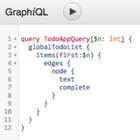
GraphiQL: GraphiQL is an open-source graphical interactive in-browser GraphQL IDE. It allows developers to access a GraphQL API, view documentation, and test queries and mutations. GraphiQL provides features like syntax highlighting, automatic query completion, and results history.

SQLite: SQLite is a relational database management system contained in a C library. It is a popular choice as an embedded database for local/client storage in software applications due to its compact size, reliability, and availability on most platforms.

Both tools serve their respective audiences. Compare the features, pricing, and user ratings above to determine which best fits your needs.

Last updated: May 2026 · Comparison by Sugggest Editorial Team

Feature GraphiQL SQLite
Sugggest Score 30
User Rating ⭐ 4.0/5 (9)
Category Development Development
Pricing Open Source Free
Ease of Use 4.8/5
Features Rating 3.2/5
Value for Money 5.0/5
Customer Support 3.0/5

Product Overview

GraphiQL
GraphiQL

Description: GraphiQL is an open-source graphical interactive in-browser GraphQL IDE. It allows developers to access a GraphQL API, view documentation, and test queries and mutations. GraphiQL provides features like syntax highlighting, automatic query completion, and results history.

Type: software

Pricing: Open Source

SQLite
SQLite

Description: SQLite is a relational database management system contained in a C library. It is a popular choice as an embedded database for local/client storage in software applications due to its compact size, reliability, and availability on most platforms.

Type: software

Pricing: Free

Key Features Comparison

GraphiQL
GraphiQL Features
  • In-browser IDE for GraphQL
  • Auto-complete and syntax highlighting
  • Query history and documentation browser
  • Supports subscriptions for real-time updates
  • Customizable interface and themes
  • Integrates with GraphQL servers like Apollo and Relay
SQLite
SQLite Features
  • Serverless - No separate server process needed
  • Zero Configuration - No setup or administration needed
  • Self-Contained - Contains entire database in a single disk file
  • Full-featured - Implements core SQL92 features
  • Cross-Platform - Available on all major operating systems
  • Small Footprint - Library size is less than 300KB
  • Reliable - Over 1 trillion database queries per day across millions of installations
  • Fast - Faster than client/server RDBMS for most common operations
  • Simple API - Single C library, just sqlite3.h and sqlite3.c

Pros & Cons Analysis

GraphiQL
GraphiQL
Pros
  • Improves GraphQL development workflow
  • Easy to use graphical interface
  • Fast testing of queries and mutations
  • Reduces time to integrate GraphQL APIs
  • Open source and free to use
Cons
  • Only works with GraphQL, not other APIs
  • Limited debugging capabilities
  • Not as fully featured as standalone IDEs
  • Requires configuration to connect to GraphQL endpoints
  • Browser-only, no native app
SQLite
SQLite
Pros
  • Lightweight and fast
  • Serverless and zero configuration
  • Self-contained in a single file
  • Reliable and battle-tested
  • Available on all platforms
  • Simple and easy to use API
  • Full-featured SQL implementation
  • Permissive licensing
Cons
  • Limited concurrency without add-ons
  • No user management built-in
  • Limited data integrity features
  • Not suitable for high-volume OLTP apps
  • No network access or client-server operation
  • Limited reporting and analytics features

Pricing Comparison

GraphiQL
GraphiQL
  • Open Source
SQLite
SQLite
  • Free

⭐ User Ratings

GraphiQL

No reviews yet

SQLite
4.0/5

9 reviews

Related Comparisons

PostgreSQL
PlanetScale
GraphQL Playground
GraphQl Editor

Ready to Make Your Decision?

Explore more software comparisons and find the perfect solution for your needs