
Skip to content

Requestly vs Termshark

Professional comparison and analysis to help you choose the right software solution for your needs.

Requestly icon
Requestly
Termshark icon
Termshark

Requestly vs Termshark: The Verdict

Last updated: May 2026 · Comparison by Sugggest Editorial Team

Feature Requestly Termshark
Sugggest Score
Category Development Network & Admin

Product Overview

Requestly
Requestly

Description: Requestly is a browser extension and web debugging proxy that allows you to modify network requests and responses. It can be used for testing, debugging, automation, mock REST APIs, and modifying requests and responses on the fly.

Type: software
Termshark
Termshark

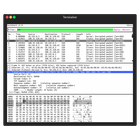
Description: Termshark is a terminal based network protocol analyzer. It allows you to inspect network traffic and analyze packets, similar to Wireshark, but runs in a terminal instead of a graphical interface.

Type: software

Key Features Comparison

Requestly
Requestly Features
  • Modify HTTP requests
  • Mock REST APIs
  • Modify responses
  • Automate workflows
  • Debug network requests
  • Test API endpoints
Termshark
Termshark Features
  • Captures live packet data from network interfaces
  • Displays packets in a terminal user interface
  • Filters packets using display filters
  • Analyzes protocols including TCP, UDP, HTTP, DNS, and more
  • Supports common capture file formats like PCAP and PCAPNG
  • Runs natively in Linux terminal without a GUI
  • Built on top of TShark and Wireshark libraries

Pros & Cons Analysis

Requestly
Requestly
Pros
  • Easy to use interface
  • Powerful modification engine
  • Support for automation
  • Can be used to test APIs
  • Available as browser extension and standalone app
Cons
  • Limited free plan
  • Can be complex for beginners
  • Requires technical knowledge to use advanced features
Termshark
Termshark
Pros
  • Lightweight terminal-based interface
  • No GUI overhead or dependencies
  • Works over SSH connections
  • Fast and responsive for analyzing live captures
  • Powerful display filters
  • Leverages Wireshark protocol analysis
Cons
  • Less intuitive than GUI-based Wireshark
  • Steeper learning curve for terminal usage
  • Limited to keyboard-based interaction
  • Harder to visualize packet flows
  • No built-in statistical summaries

Ready to Make Your Decision?

Explore more software comparisons and find the perfect solution for your needs