PyQt is a Python binding for Qt, a popular cross-platform GUI toolkit. It enables Python developers to create desktop GUIs by providing Python wrappers for Qt classes.
What is PyQt?
PyQt is a Python binding for the Qt application framework. Qt is a popular open source widget toolkit for creating graphical user interfaces and cross-platform applications. PyQt provides a seamless integration of Qt with Python, enabling Python developers to build highly responsive graphical user interfaces easily.
With PyQt, developers can utilize all the powerful features of Qt, including its set of widgets, async programming, signals/slots, without having to code in C++. PyQt exposes over 450 Qt classes and more than 6000 Qt functions to Python. This allows rapid GUI application development and leverages Python's strong scripting capabilities.
Some of the key benefits of PyQt include:
Enables creating native-looking GUIs that run consistently across Windows, Mac and Linux
Provides extensive set of widgets like buttons, menus, text boxes etc. to build UIs
Integrates well with other Python libraries such as NumPy, SciPy etc.
Object-oriented API, well-documented and comes with dozens of examples
Supports 2D graphics handling capability
Licensed under GPL and commercial licenses available for proprietary software
In summary, PyQt is the most robust and convenient way for Python developers to create desktop applications with a graphical user interface. It is powerful enough to build a wide range of GUIs - from simple scripts to large enterprise applications.
PyQt Features
Features
Qt GUI toolkit bindings
Cross-platform desktop app development
Integrated with major Python GUI frameworks like PySide, PyQt5, PyQt6
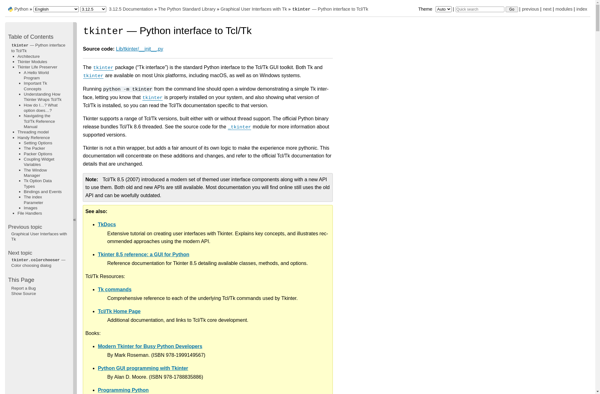
Tkinter is a graphical user interface (GUI) library included with Python. It allows Python developers to create desktop applications with a graphical window, buttons, menus and other widgets. Tkinter is built on top of the Tk GUI toolkit, hence the name Tkinter.Tkinter provides a simple yet powerful way to create...
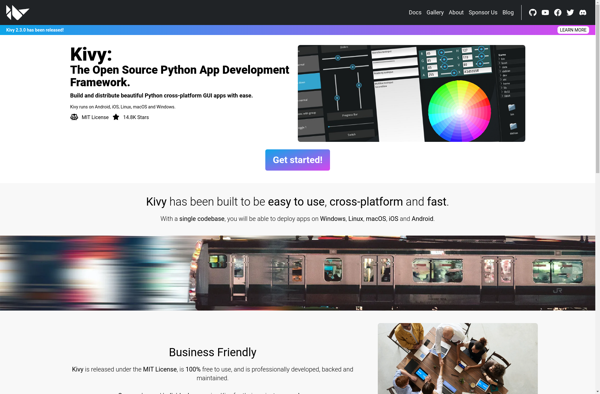
Kivy is an open source Python framework for developing mobile apps and other multitouch application software with a natural user interface. It allows you to write applications that run unchanged on all major platforms such as Android, iOS, Linux, Windows, and macOS.Some key features of Kivy:Completely open source, free to...
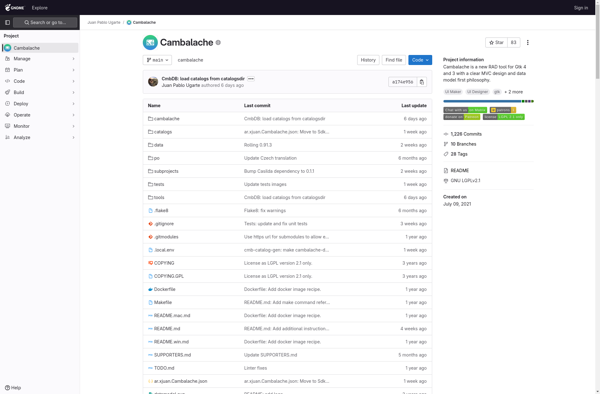
Cambalache is a free and open source download manager and file sharing application for Windows and Linux operating systems. It provides users with tools to search, queue, download, organize and share files over the internet.Some of the key features of Cambalache include:Intuitive graphical user interface for easy navigation and useSupport...
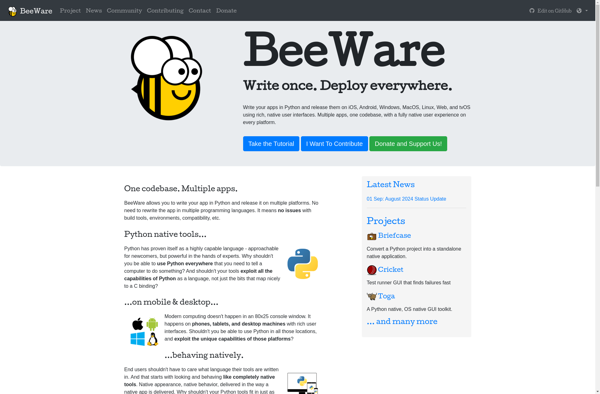
BeeWare is an open source Python development suite aimed at helping Python developers create application front-ends and user interfaces that can be deployed across multiple platforms including desktop (Windows, macOS, and Linux), mobile (iOS and Android), and web browsers.It includes several components:Briefcase - tool to manage, build, and deploy Python...
wxPython is an open source Python library that wraps the cross-platform wxWidgets GUI toolkit. It allows Python developers to easily create native user interfaces for desktop applications on Windows, macOS, and Linux.Some key features of wxPython include:Wraps the wxWidgets C++ library with a Python APISupports creating multi-platform GUIs that look...
PyGTK is a set of Python bindings for the GTK+ toolkit and assorted GNOME libraries, allowing you to build graphical user interfaces and applications in Python. Some key things to know about PyGTK:It provides an object-oriented interface to GTK+ that is more Pythonic and easy to use compared to other...
Fox toolkit is an open source C++ library and UI framework for developing cross-platform desktop applications on Windows, Linux, and macOS. It includes a large set of widgets, tools, and components to build modern and lightweight user interfaces.Some of the key features of Fox toolkit include:An extensive set of UI...
PySide is an open-source Python binding for the Qt cross-platform application development framework. It provides a comprehensive set of Python bindings for the Qt framework that allow Python developers to leverage the power of Qt for building desktop applications, user interfaces, and more using Python.Some key things to know about...
wxWidgets is an open source C++ library that lets developers create graphical user interfaces (GUIs) for cross-platform applications. It enables building desktop apps for Windows, Mac, Linux and other platforms with native look and feel.Some key features of wxWidgets include:Supports a variety of popular toolkits like GTK+, Qt, Win32/CE for...
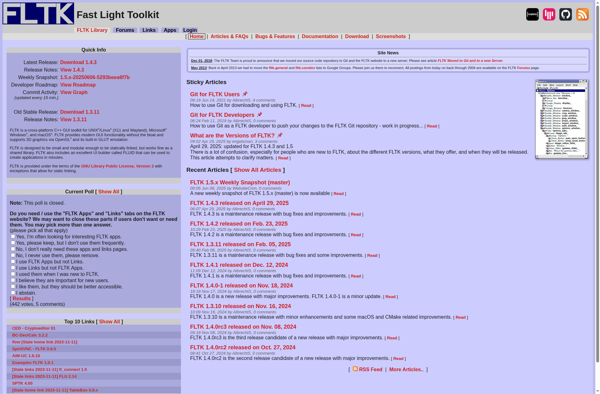
FLTK (pronounced 'fulltick') is a cross-platform C++ GUI toolkit for developing desktop applications and graphical user interfaces (GUIs). It stands for Fast Light Tool Kit.Some key features of FLTK include:Lightweight, small dependency footprint, and fast performance for building responsive UIsWritten in C++ but provides bindings for other languages like Python...
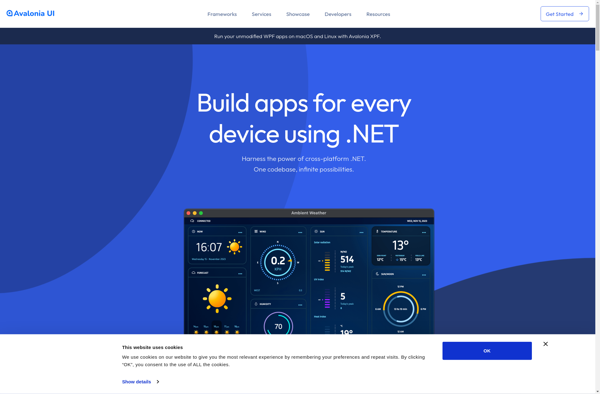
Avalonia UI is an open source cross-platform user interface framework for building .NET desktop applications. It allows developers to create graphical user interface (GUI) apps that can run on Windows, Linux and macOS platforms using .NET Standard 2.0 and .NET technologies like XAML.Avalonia aims to integrate easily with .NET frameworks...
gtkmm is a C++ interface for the GTK+ graphical user interface library. It allows developers to build cross-platform GUI applications in C++ using the GTK+ toolkit. Some key points about gtkmm:It wraps GTK+ objects and functions in C++ classes and methods, providing an object-oriented API for GTK+. This makes GTK+...