Skip to content

HTTPNetworkSniffer vs Termshark

Professional comparison and analysis to help you choose the right software solution for your needs.

HTTPNetworkSniffer icon
HTTPNetworkSniffer
Termshark icon
Termshark

HTTPNetworkSniffer vs Termshark: The Verdict

Last updated: May 2026 · Comparison by Sugggest Editorial Team

Feature HTTPNetworkSniffer Termshark
Sugggest Score
Category Network & Admin Network & Admin

Product Overview

HTTPNetworkSniffer
HTTPNetworkSniffer

Description: HTTPNetworkSniffer is a network monitoring tool that captures and analyzes HTTP traffic going over the network. It allows you to inspect requests and responses, monitor performance, and troubleshoot issues.

Type: software

Termshark
Termshark

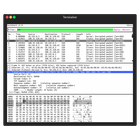
Description: Termshark is a terminal based network protocol analyzer. It allows you to inspect network traffic and analyze packets, similar to Wireshark, but runs in a terminal instead of a graphical interface.

Type: software

Key Features Comparison

HTTPNetworkSniffer
HTTPNetworkSniffer Features
  • Captures and analyzes HTTP traffic on the network
  • Inspects HTTP requests and responses
  • Monitors network performance metrics like latency and bandwidth
  • Troubleshoots network issues related to HTTP traffic
Termshark
Termshark Features
  • Captures live packet data from network interfaces
  • Displays packets in a terminal user interface
  • Filters packets using display filters
  • Analyzes protocols including TCP, UDP, HTTP, DNS, and more
  • Supports common capture file formats like PCAP and PCAPNG
  • Runs natively in Linux terminal without a GUI
  • Built on top of TShark and Wireshark libraries

Pros & Cons Analysis

HTTPNetworkSniffer
HTTPNetworkSniffer
Pros
  • Free and open source
  • Lightweight and easy to use
  • Provides insight into HTTP traffic
  • Helps identify performance issues
Cons
  • Limited to HTTP protocol only
  • Does not analyze HTTPS encrypted traffic
  • Basic interface lacking some advanced features
Termshark
Termshark
Pros
  • Lightweight terminal-based interface
  • No GUI overhead or dependencies
  • Works over SSH connections
  • Fast and responsive for analyzing live captures
  • Powerful display filters
  • Leverages Wireshark protocol analysis
Cons
  • Less intuitive than GUI-based Wireshark
  • Steeper learning curve for terminal usage
  • Limited to keyboard-based interaction
  • Harder to visualize packet flows
  • No built-in statistical summaries

Ready to Make Your Decision?

Explore more software comparisons and find the perfect solution for your needs