Skip to content

tcpflow vs Termshark

Professional comparison and analysis to help you choose the right software solution for your needs. Compare features, pricing, pros & cons, and make an informed decision.

tcpflow icon
tcpflow
Termshark icon
Termshark

Expert Analysis & Comparison

tcpflow — tcpflow is an open source tool for capturing TCP traffic flows. It works by capturing packets from network interfaces or packet capture files, reassembling TCP streams, and storing application-layer d

Termshark — Termshark is a terminal based network protocol analyzer. It allows you to inspect network traffic and analyze packets, similar to Wireshark, but runs in a terminal instead of a graphical interface.

tcpflow offers Captures TCP traffic flows from live network interfaces or packet capture files, Reassembles TCP streams and stores application-layer data, Stores TCP metadata like sequence numbers, acknowledgments, window advertisements, Supports BPF filters for selective capturing, Outputs flows in various formats like ASCII, CSV, JSON, while Termshark provides Captures live packet data from network interfaces, Displays packets in a terminal user interface, Filters packets using display filters, Analyzes protocols including TCP, UDP, HTTP, DNS, and more, Supports common capture file formats like PCAP and PCAPNG.

tcpflow stands out for Open source and free, Lightweight and fast, Powerful BPF filtering capabilities; Termshark is known for Lightweight terminal-based interface, No GUI overhead or dependencies, Works over SSH connections.

Pricing: tcpflow (Open Source) vs Termshark (not listed).

Why Compare tcpflow and Termshark?

When evaluating tcpflow versus Termshark, both solutions serve different needs within the network & admin ecosystem. This comparison helps determine which solution aligns with your specific requirements and technical approach.

Market Position & Industry Recognition

tcpflow and Termshark have established themselves in the network & admin market. Key areas include tcp, network, monitoring.

Technical Architecture & Implementation

The architectural differences between tcpflow and Termshark significantly impact implementation and maintenance approaches. Related technologies include tcp, network, monitoring, flows.

Integration & Ecosystem

Both solutions integrate with various tools and platforms. Common integration points include tcp, network and terminal, network.

Decision Framework

Consider your technical requirements, team expertise, and integration needs when choosing between tcpflow and Termshark. You might also explore tcp, network, monitoring for alternative approaches.

Feature tcpflow Termshark
Overall Score N/A N/A
Primary Category Network & Admin Network & Admin
Pricing Open Source N/A

Product Overview

tcpflow
tcpflow

Description: tcpflow is an open source tool for capturing TCP traffic flows. It works by capturing packets from network interfaces or packet capture files, reassembling TCP streams, and storing application-layer data with relevant TCP metadata.

Type: software

Pricing: Open Source
Termshark
Termshark

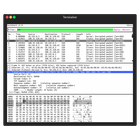
Description: Termshark is a terminal based network protocol analyzer. It allows you to inspect network traffic and analyze packets, similar to Wireshark, but runs in a terminal instead of a graphical interface.

Type: software

Key Features Comparison

tcpflow
tcpflow Features
  • Captures TCP traffic flows from live network interfaces or packet capture files
  • Reassembles TCP streams and stores application-layer data
  • Stores TCP metadata like sequence numbers, acknowledgments, window advertisements
  • Supports BPF filters for selective capturing
  • Outputs flows in various formats like ASCII, CSV, JSON
  • Can extract files based on signatures
  • Has a library API for programmatic access
Termshark
Termshark Features
  • Captures live packet data from network interfaces
  • Displays packets in a terminal user interface
  • Filters packets using display filters
  • Analyzes protocols including TCP, UDP, HTTP, DNS, and more
  • Supports common capture file formats like PCAP and PCAPNG
  • Runs natively in Linux terminal without a GUI
  • Built on top of TShark and Wireshark libraries

Pros & Cons Analysis

tcpflow
tcpflow
Pros
  • Open source and free
  • Lightweight and fast
  • Powerful BPF filtering capabilities
  • Extensible via plugins
  • Portable across platforms
  • Can extract files and media
  • CLI and library API available
Cons
  • Limited to TCP flows only
  • No fancy GUI
  • Steep learning curve
  • Need to process outputs for analysis
  • Not a full packet analyzer
Termshark
Termshark
Pros
  • Lightweight terminal-based interface
  • No GUI overhead or dependencies
  • Works over SSH connections
  • Fast and responsive for analyzing live captures
  • Powerful display filters
  • Leverages Wireshark protocol analysis
Cons
  • Less intuitive than GUI-based Wireshark
  • Steeper learning curve for terminal usage
  • Limited to keyboard-based interaction
  • Harder to visualize packet flows
  • No built-in statistical summaries

Pricing Comparison

tcpflow
tcpflow
  • Open Source
Termshark
Termshark
  • Not listed

Get More Information

Ready to Make Your Decision?

Explore more software comparisons and find the perfect solution for your needs