Chaperone Process Manager is a utility for managing VR processes when using an Oculus VR headset. It allows you to monitor and close VR-related background processes to free up system resources.
Chaperone Process Manager: Utility for Managing VR Processes
Manage VR processes on Oculus VR headsets with Chaperone Process Manager, a utility that monitors and closes background processes to free up system resources.
What is Chaperone Process Manager?
Chaperone Process Manager is a small utility application developed specifically for use with Oculus VR headsets. It runs in the background and monitors the processes and services associated with Oculus VR software.
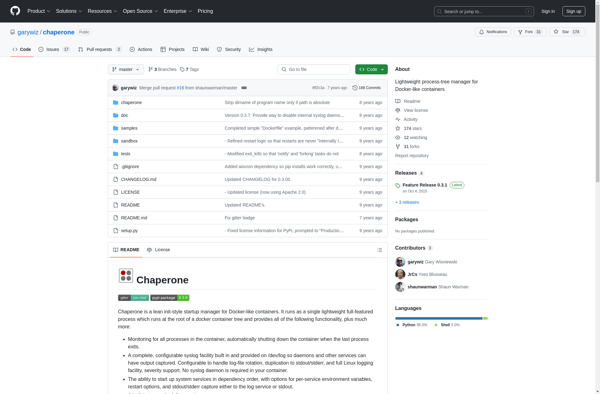
The main purpose of Chaperone Process Manager is to provide more control over these background processes to improve system performance. After an Oculus VR session ends, there may still be some services running that reserve system resources like CPU, GPU, and RAM.
Chaperone Process Manager gives you an interface to view these processes, stop any that may still be running in the background, and free up the resources they were using. This allows you to allocate more of your computer's capabilities to other tasks you want to focus on.
Some key features of Chaperone Process Manager include:
Easy interface to view current Oculus services/processes
Option to stop processes with one click
Configurable to automatically stop processes when Oculus software closes
Lightweight utility using minimal system resources itself
For Oculus VR users that want more control over the background services and optimization of their system resources, Chaperone Process Manager is a useful utility for monitoring and managing these processes.
Chaperone Process Manager Features
Features
Monitors and manages VR processes
Displays system resource usage for VR processes
Allows closing of VR background processes
Lightweight system tray application
Pricing
Free
Pros
Improves VR performance by closing unused processes
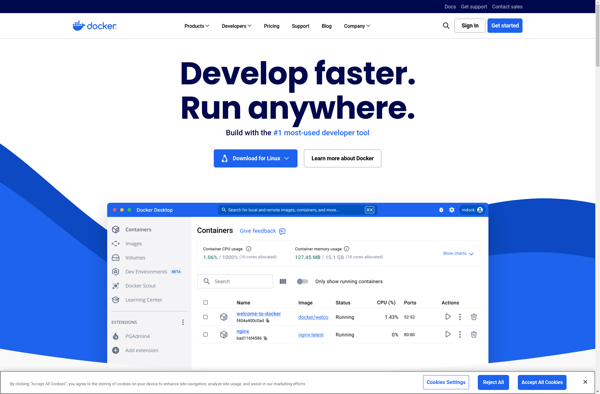
Docker is an open platform for developing, shipping, and running applications inside software containers. It provides an additional layer of abstraction and automation of operating-system-level virtualization on Linux, Mac OS and Windows.Docker packages software into standardized units called containers that have everything the software needs to run including libraries, system...
systemd is a system and service manager for Linux operating systems that has become the de-facto standard. It initializes the system at boot time, manages services and daemons, supervises processes, and centralizes the logging system. Some of the key features and goals of systemd include:Fast boot times by parallelizing tasks...
Sysvinit is a system and service manager for Linux and other Unix-like operating systems. It has been the traditional init system for Linux distributions until being largely superseded by systemd.As the first process started by the Linux kernel when booting, sysvinit handles starting essential system services, like mounting filesystems, setting...
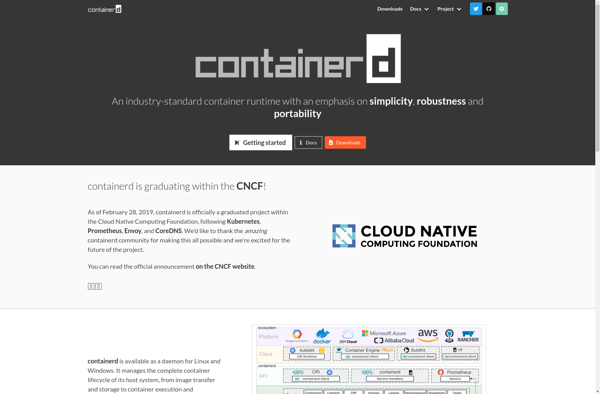
containerd is an open source container runtime that is designed to manage the complete container lifecycle for its host system or server. This includes pulling container images, managing storage and network resources, executing containers, monitoring them, and more.Some key things to know about containerd:It is lightweight, portable and runs on...
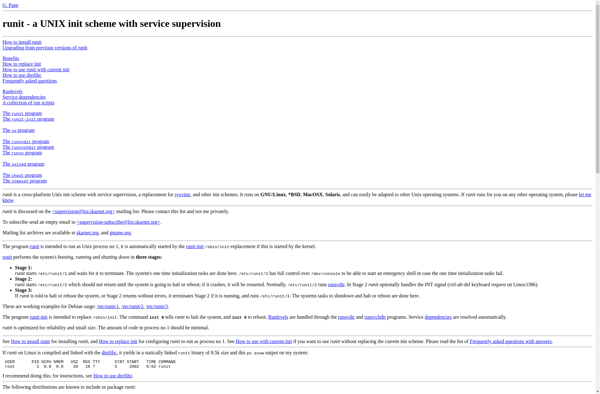
runit is an open-source process supervisor and init scheme for Unix-like operating systems. It was designed to be lightweight, customizable, and to follow Unix philosophy of doing one thing well.Some key features of runit include:Simple yet robust process management using a single supervisor processFast and reliable daemontools-compatible process supervisionInit scheme...
Nosh is an open-source web server and web services toolkit for Linux and BSD systems. Developed as a lightweight alternative to complex servers like Apache, Nosh focuses on security, simplicity, and modularity.Some key features of Nosh include:HTTP and HTTPS file serving with support for CGI, SCGI, FastCGI, PHP, HTTP authentication,...
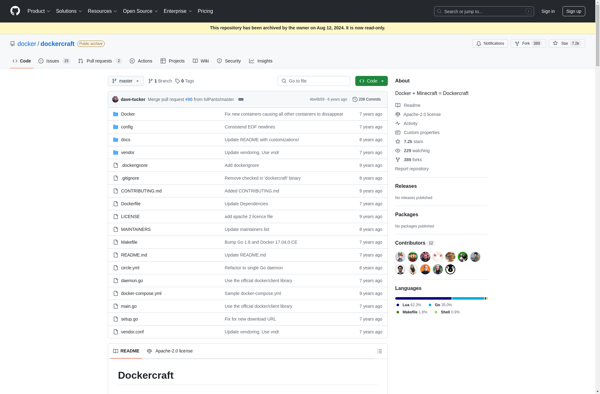
Dockercraft is an open-source container management platform built on top of Docker and Docker Compose. It provides a graphical user interface and additional tools to make working with containers easier for developers.Some key features of Dockercraft include:User-friendly container configuration - Build Dockerfiles, define services, configs and secrets via an intuitive...
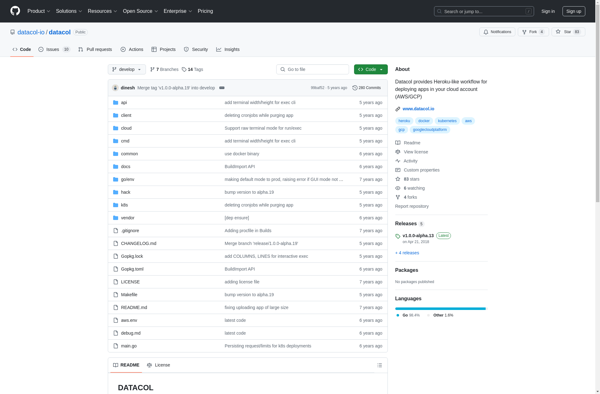
DataCol is an open-source data catalog and metadata management software designed to help organizations track, manage and gain insights from their data more efficiently. Here are some key capabilities:Automated data discovery and indexing - DataCol can crawl different data stores like databases, file shares, cloud storage etc. to automatically index...