MaxSite CMS is an open-source content management system built with PHP and MySQL. It is designed to be lightweight, easy to use, and extensible through plugins. Some key features include custom layouts, SEO tools, user roles and permissions, and integration with e-commerce platfo
MaxSite CMS: Open-Source PHP MySQL Content Management Systems
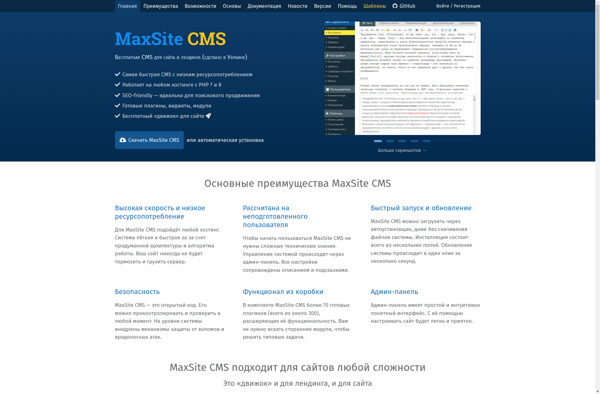
MaxSite CMS is an open-source content management system built with PHP and MySQL. It is designed to be lightweight, easy to use, and extensible through plugins. Some key features include custom layouts, SEO tools, user roles and permissions, and integration with e-commerce platforms.
What is MaxSite CMS?
MaxSite CMS is an open-source content management system (CMS) written in PHP and using MySQL as the database backend. It aims to provide a lightweight but powerful web-based platform for managing website content and design.
Some of the key features of MaxSite CMS include:
User-friendly WYSIWYG content editing interface
Template system allows custom website designs and layouts
SEO-friendly tools like URL rewriting, meta tag editing, XML sitemaps
Granular user roles and permissions system
Plugins extend functionality for e-commerce, forums, galleries, and more
Multi-lingual and multi-site support
Responsive and mobile-ready themes
MaxSite CMS aims for a balance between simplicity for content editors and design flexibility for developers. The intuitive, role-based interface allows contributors with less technical skill to quickly add and edit articles, news, events listings, and other content.
Developers can build custom templates, themes, and functionality on top of the CMS platform relatively easily thanks to its modular architecture. Extensibility is enabled through plugins, hooks, and overrides.
Overall, MaxSite CMS is ideal for small to medium-sized websites that require a user-friendly but customizable CMS with a risk of outgrowing the limitations of simpler platforms.
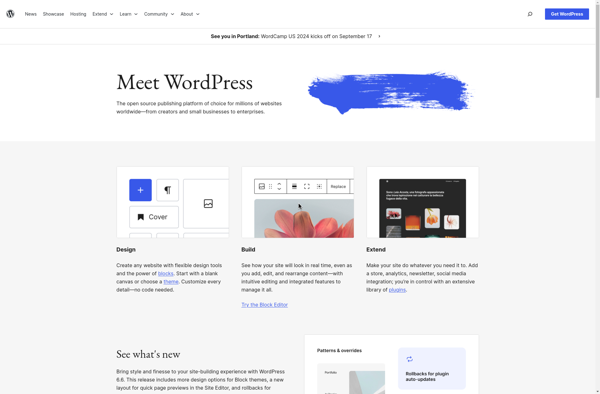
What Is WordPress?WordPress is the world's most popular content management system, powering over 40 percent of all websites on the internet. Originally created as a blogging platform in 2003, it has evolved into a full website builder and application framework used for everything from personal blogs to enterprise websites and...
Blogger is a popular free blog publishing service run by Google. It allows anyone to easily create and manage a blog for free without needing to know any coding. Blogger has an easy-to-use WYSIWYG editor interface that allows users to create blog posts containing text, images, videos, links, and more.Some...
Tumblr is a microblogging and social networking website and application that was created in 2007. It allows users to post multimedia and other content to a short-form blog. Users can follow other users' tumblelogs, as well as like and reblog posts.Some key features of Tumblr include:Tumblelogs - short-form blogs that...
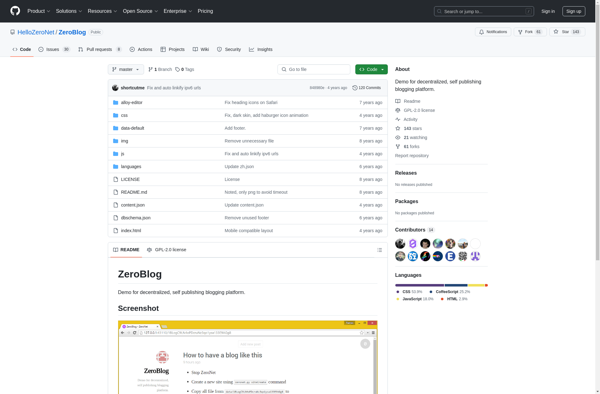
ZeroBlog is an open-source, self-hosted blogging platform designed with simplicity in mind. Unlike more complex platforms like WordPress, ZeroBlog aims to provide a clean, ad-free blogging experience without overwhelming users with endless options and settings.At its core, ZeroBlog is focused purely on facilitating the writing and organizing of blog content....
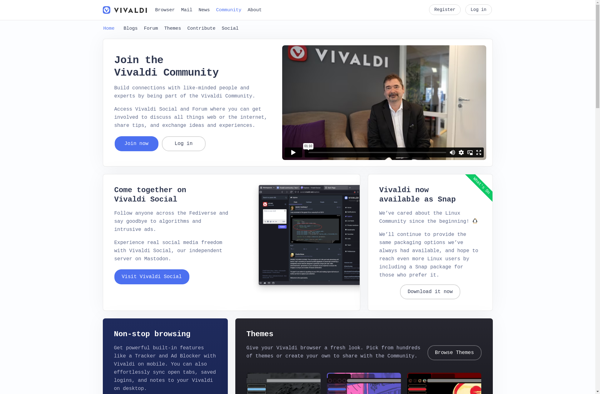
Vivaldi Community is a relatively new community-driven web browser focused on customization and privacy. It is based on open web technologies like Chromium, similar to browsers like Google Chrome and Microsoft Edge. Vivaldi Technologies develops it with input from its user community.Some key features of Vivaldi Community include:Tab Stacking -...
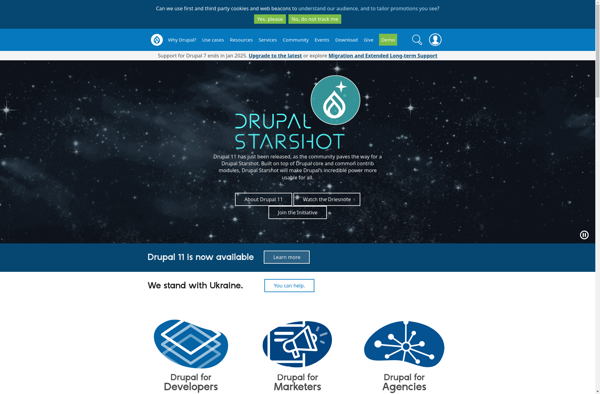
Drupal is a free and open-source content management system (CMS) written in PHP. It allows users to easily create, manage, and publish content on websites. Some of the key features of Drupal include:Intuitive interface and workflow allows content editors to quickly create, review, edit, publish, and archive webpages with no...
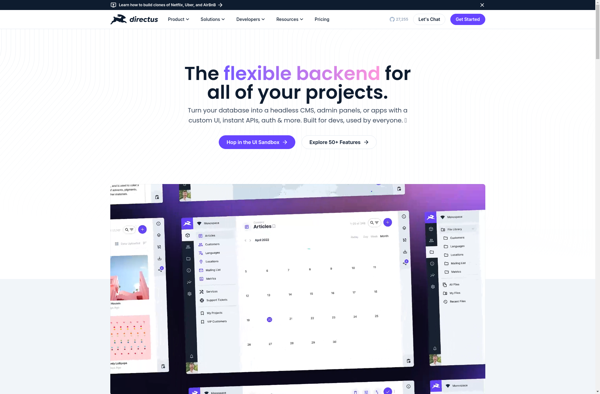
Directus is an open-source headless content management system and API for managing SQL databases. It features:An intuitive admin app interface allowing non-technical users to manage content, users, permissions, flows, and more without codingA GraphQL and REST API for accessing and modifying dataSupport for PostgreSQL, MySQL, SQL Server, SQLite, and Oracle...
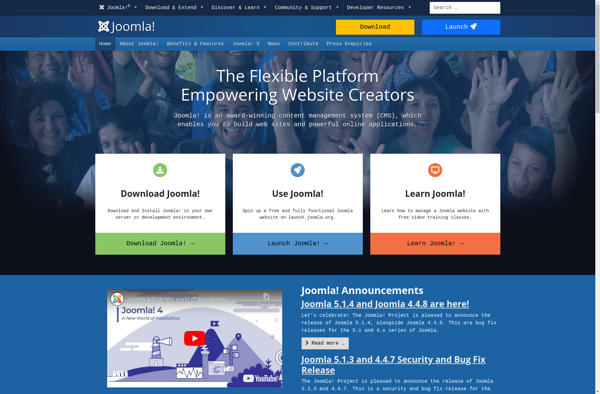
Joomla is an open source content management system (CMS) for building powerful websites and online applications. First released in 2005, Joomla is now one of the most popular CMS platforms with over 30 million downloads worldwide.Joomla has a wide range of features that make it an attractive platform for all...
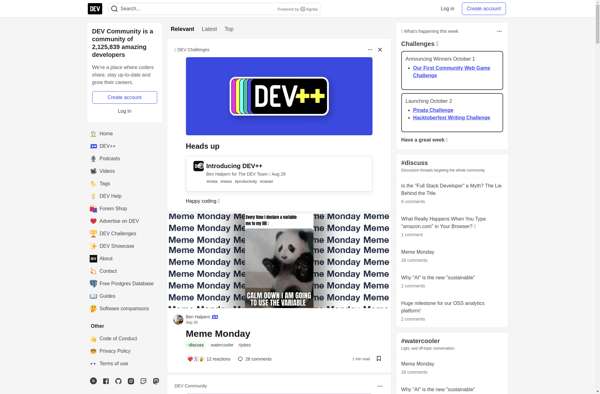
DEV Community is a free and open source software development community platform launched in 2019. It allows software developers and programmers to publish technical articles, take part in discussions, ask questions, and generally connect with other developers.Some key features of DEV Community include:Article publishing - Developers can publish articles on...
Postach.io is a user-friendly blog publishing and content management platform ideal for individuals and small teams looking to easily create an engaging online presence. With an intuitive drag-and-drop interface, Postach.io makes it simple to customize the design, layout, and functionality of your blog without needing to know any code.Some of...
Pillowfort is a free and open-source social media platform launched in 2017 as an alternative to Tumblr after concerns over Tumblr's policy changes. It is focused on providing a platform for artists, creators, and fans to share their work, connect with each other, and build online communities.Some key features of...