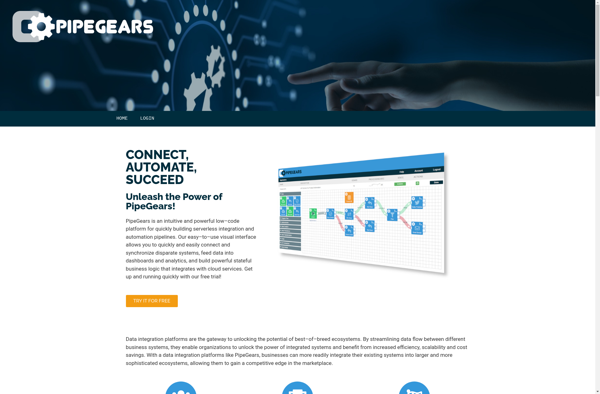
PipeGears is an open-source platform for building data pipelines with a visual programming interface. It allows users to easily connect various data sources and processors using a drag-and-drop UI to extract, transform and load data without writing code.
What is PipeGears?
PipeGears is an open-source data pipeline platform built for simplicity and automation. It provides a visual programming interface for constructing data workflows without writing any code. Users can connect to various data sources like databases, cloud storages, APIs etc. and process data using built-in and custom processors.
The key highlights of PipeGears are:
Visual Programming Interface - Build pipelines by dragging and connecting processors without writing code
Pre-built Processors - Comes bundled with processors for common data transformation tasks
Connectivity - Connect to databases, cloud sources, APIs, files and more
Monitoring - Track pipeline runs, get notifications and catch errors in real-time
Versioning - Visual diff to track pipeline changes and revert when needed
Scalability - Scale data processing by running pipelines on Spark clusters
Extensibility - Plugin custom processors and data connectors
PipeGears enables faster development and deployment of data integration workflows to help organizations accelerate their analytics and machine learning initiatives. Its code-free approach makes it easy for non-technical users to develop and manage data pipelines. With in-built monitoring and orchestration capabilities, pipelines run reliably with minimal manual oversight.
PipeGears Features
Features
Visual programming interface for building data pipelines
Drag and drop components to extract, transform and load data
Connect to various data sources like databases, APIs, files, etc
Library of pre-built processors and transformations
Modular architecture to build reusable components
Built-in scheduling and orchestration
Version control and collaboration features
Open source and available for free
Pricing
Open Source
Pros
Low-code way to build data pipelines
Intuitive drag and drop interface
Connects to many data sources
Reusable components and workflows
Active open source community
Free and open source
Cons
Limited pre-built components compared to commercial ETL tools
n8n.io is an open source workflow automation server that allows you to connect different services together through a visual interface. It provides over 250 pre-built nodes for services like Twitter, Gmail, Dropbox, Salesforce and more that you can easily connect together to automate tasks and workflows.Some key features and benefits...
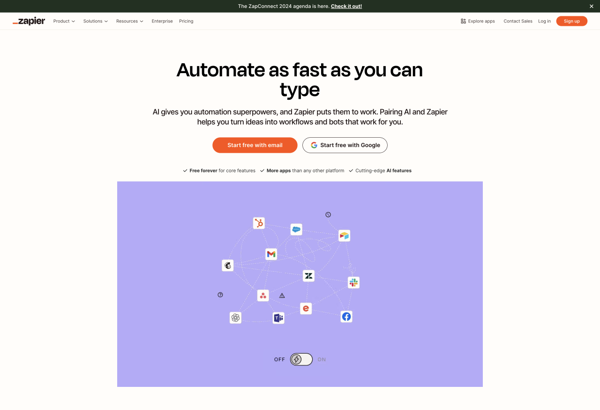
Zapier is a cloud-based automation and integration platform that allows users to connect various web services and applications together with workflows called Zaps. With over 2,000 apps in its ecosystem, Zapier enables connecting popular apps like Gmail, Slack, Dropbox, GitHub, and more to automate workflows without needing developer resources.Some key...
Make.com is a user-friendly website and mobile app builder designed for entrepreneurs, small businesses, designers, and agencies. It allows anyone to create professional, custom websites and mobile apps through an intuitive drag-and-drop interface, without needing to know how to code.With Make.com, users can choose from a variety of professionally designed...
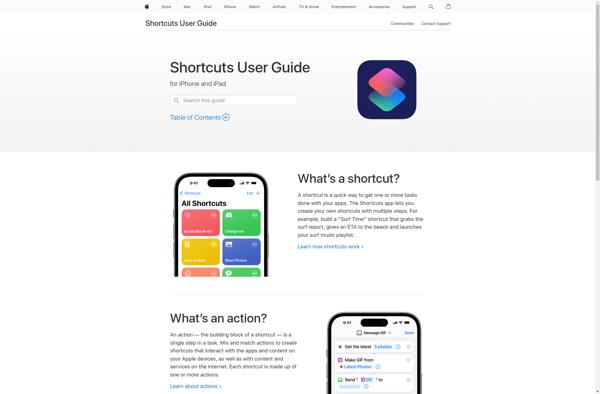
Apple Shortcuts is an automation app developed by Apple for iOS and iPadOS devices. It allows users to create workflows to automate various tasks and activities on their Apple devices.With Shortcuts, users can set up trigger-action rules to streamline everything from sending texts to getting directions to turning off Wi-Fi...
IFTTT (If This Then That) is a free automation platform that connects various web services, SaaS platforms and IoT devices via conditional statements to trigger actions between them. The basic structure of these connections on IFTTT consists of two parts:- This - This part defines the trigger event that will...
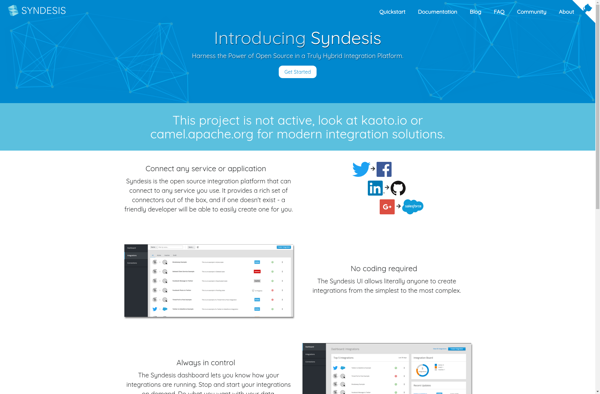
Syndesis is an open source integration platform designed to connect software applications both on premise and in the cloud. It provides a graphical, code-free way to build integrations and implement custom logic with simple drag-and-drop components.Key features of Syndesis include:Connectors for common technologies like databases, messaging systems, APIs, IoT, and...
Integrately is a cloud-based integration platform designed to connect web applications, APIs, databases, and other data sources with a simple no-code approach. Some key features of Integrately include:Drag-and-drop interface to visually map data and build integrations between hundreds of supported apps and servicesPre-built templates and connectors for popular apps like...
Autocode is an AI-assisted software development platform that allows developers to generate full-stack code instantly just by describing the application they want to build. It uses advanced natural language processing and code intelligence to translate plain English descriptions into running code.Some key features of Autocode include:Generating full database schemas, backend...