FileCoin is a decentralized storage network that allows users to rent out their excess hard drive space to earn FileCoin tokens. It uses blockchain technology and cryptography to create a distributed file storage and sharing platform.
FileCoin allows users to rent out excess hard drive space, earning tokens through a decentralized storage network utilizing blockchain technology and cryptography.
What is FileCoin?
FileCoin is an open source, public cryptocurrency and digital payment system intended to be a blockchain-based cooperative digital storage and data retrieval method. It allows users to rent out their extra hard drive space on an open and distributed network to earn FileCoin tokens.
The FileCoin network creates a decentralized file storage and sharing platform that anyone can use to store files or access files stored by others. It utilizes blockchain technology, cryptography, and a peer-to-peer network to create an efficient marketplace for file storage and retrieval services.
Key features of FileCoin include:
Decentralized storage - Files are split into pieces, encrypted, and stored across many different computers on the network
File sharing - Users can opt to share some or all of their stored files with the network for retrieval by others
Proof of storage and retrieval - FileCoin miners have to provide cryptographic proofs that they are storing files and allowing retrieval when required to earn tokens
Built-in economic incentives - Miners earn FileCoin tokens for offering their storage and miners spend FileCoin tokens to store and retrieve files
By leveraging blockchain and cryptography, FileCoin aims to create a reliable, secure, and efficient file storage and sharing network that brings more choice, control and economic upside to end users.
FileCoin Features
Features
Decentralized file storage
Uses blockchain technology
Allows users to rent out excess storage space
Earn FileCoin tokens by providing storage
Creates a distributed file sharing network
Pricing
Free
Custom Pricing
Pros
More secure than centralized storage
Censorship resistant
Competitive pricing
Earn money by providing storage space
Faster speeds than centralized storage
Cons
Complex technology
Requires technical knowledge to participate
File uploads/downloads slower than centralized storage
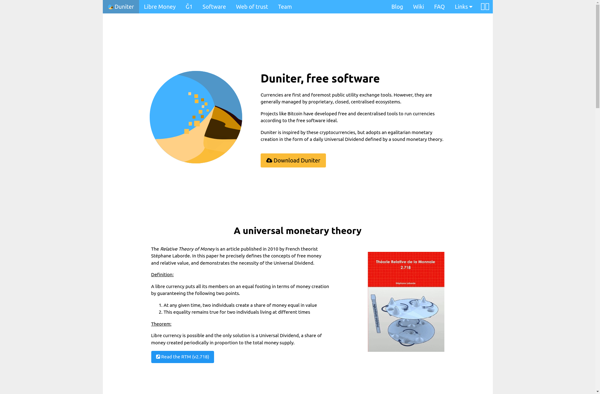
Duniter is a free, open-source software that enables communities to create and manage their own complementary currency system. It is built on blockchain technology which allows the currency and transactions to be decentralized and transparent.Some key features of Duniter include:Universal Dividend - All members of the community receive a regular...
Ripple is a real-time gross settlement system, currency exchange, and remittance network developed by Ripple Labs Inc. and released in 2012. Its platform is built around a distributed ledger database, blockchain technology and its cryptocurrency called XRP (ripples) that allows banks and payment providers to transfer money quickly, reliably and...
Litecoin (LTC) is a peer-to-peer cryptocurrency that was created in 2011 by Charlie Lee, an ex-Google employee, as an open source project on GitHub. Litecoin is one of the earliest alternative cryptocurrencies (altcoins) and is often referred to as the silver to Bitcoin's gold. Like Bitcoin, Litecoin is decentralized and...
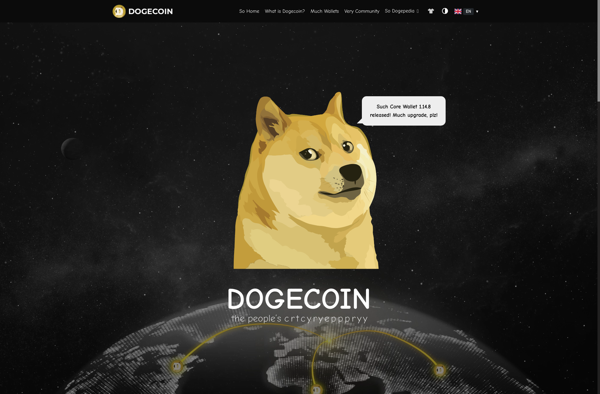
Dogecoin is an open source peer-to-peer digital currency, favored by Shiba Inu enthusiasts worldwide. What started out as a joke in 2013 has grown into one of the world's most widely used and fastest growing cryptocurrencies.Dogecoin features the face of the popular Shiba Inu dog from the viral 'Doge' meme...
Cardano is an open-source, decentralized public blockchain and cryptocurrency project that started in 2015. It was founded by Ethereum co-founder Charles Hoskinson and built through academic rigor and peer-reviewed research by scientists and engineers around the world.The Cardano blockchain operates the Ada cryptocurrency and is designed to be scalable, interoperable,...
Ethereum is an open-source, public, blockchain-based distributed computing platform featuring smart contract (scripting) functionality. It provides a decentralized virtual machine, the Ethereum Virtual Machine (EVM), that can execute scripts using an international network of public nodes. Ethereum's internal currency is called Ether (ETH), and is used to pay for transaction...
NameCoin is an open-source cryptocurrency and technology that was created in 2011. In addition to being a cryptocurrency, NameCoin also serves as an alternative domain name system (DNS) that maps domain names to IP addresses.The main distinguishing feature of NameCoin is that it allows users to register domains that end...
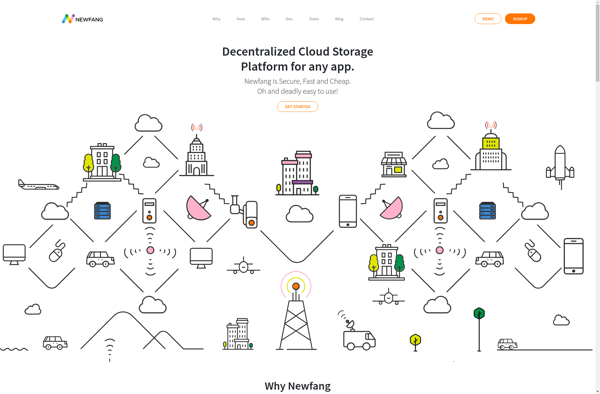
Newfang is an open-source relational database management system developed as an alternative to proprietary commercial options. It provides core database functionality like SQL querying, ACID transactions, foreign key constraints, and data analytics support.Some key features of Newfang include:Support for common data types like integers, decimal numbers, strings, dates, etc.Indexing for...
TipTheWeb is a browser extension available for Chrome, Firefox, and Brave that allows internet users to send small financial tips to creators of online content that they enjoy. It aims to provide a streamlined tipping experience so users can easily show their appreciation and support their favorite bloggers, YouTubers, news...