Locust
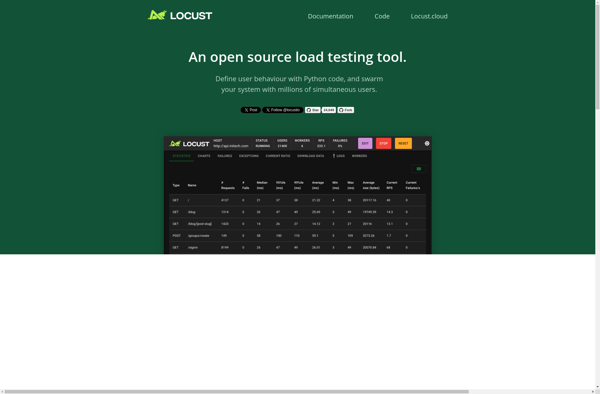
Locust: Open Source Load and Performance Testing Tool
Locust is an open source load and performance testing tool written in Python, simulating large numbers of concurrent users for web application testing.
What is Locust?
Locust is an open source load testing and performance testing tool written in Python. It is designed to test the performance of web applications by simulating a large number of concurrent users making requests.
Some key features of Locust:
- Simulates thousands of concurrent users making requests to target web apps
- Can generate various user behaviors through its Python API
- Has a web UI for visualizing response times, requests per second, and other metrics
- Lightweight, distributed, and scalable architecture using Python
- Easy installation through pip and runs on any system with Python installed
- Open source and has an active community behind it
- Integrates well with tools like JMeter, Gatling, Grafana, and more
Locust allows developers and testers to identify bottlenecks in their web apps before they go into production. By load testing early, teams can build more resilient services at scale. It is often used together with continuous integration pipelines.
Locust Features
Features
- Distributed load testing
- Scripting using Python
- Simulate thousands of concurrent users
- Web-based UI
- CSV results output
- Can test any system that has a HTTP interface
Pricing
- Open Source
Pros
Cons
Official Links
Reviews & Ratings
Login to Review19 reviews
Rating Breakdown
Recent Reviews
Dakota White
Apr 07, 2026Frustratingly Fragile for Real-World Load Testing
Locust seemed promising with its Python-based scripting, but in practice, it's been a headache. The decentralized architecture is confusing and often leads to inconsistent results, with workers crashing silently under heavy load. While it's free and open source, the steep …
Noah Wright
Apr 07, 2026Python-Dev Friendly Load Testing That Just Works
As a Python developer, Locust has been a game-changer for our performance testing. Writing test scenarios in plain Python code feels natural and eliminates the learning curve of proprietary tools. We easily simulate thousands of concurrent users against our API, …
Oliver Allen
Apr 05, 2026A Developer's Dream for Performance Testing
As a developer who needs to stress-test our web services, Locust has been a game-changer. Its Python-based syntax makes it incredibly easy to write and understand complex test scenarios, and the real-time web UI for monitoring tests is a fantastic …
Olivia Lee
Apr 04, 2026A Developer's Dream for Realistic Load Testing
As a developer needing to simulate thousands of users hitting our web service, Locust has been a game-changer. Writing test scenarios in plain Python is incredibly flexible and feels much more natural than dealing with a complex GUI or a …
Michael White
Apr 04, 2026Simple Yet Powerful Load Testing for Developers
Locust has become our go-to tool for load testing our web APIs. Writing test scenarios in plain Python is incredibly intuitive and flexible, allowing us to easily simulate complex user behavior. It scales well for our needs, and being open …
Rating Distribution
The Best Locust Alternatives
View all locust alternatives with detailed comparison →
Top Development and Testing and other similar apps like Locust
Here are some alternatives to Locust:
Suggest an alternative ❐
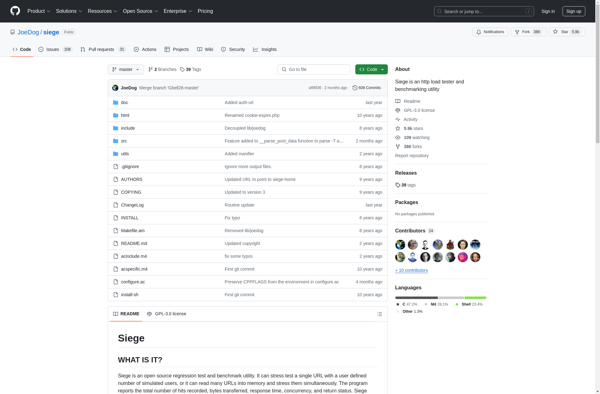
Siege

BlazeMeter


Blitz.io

Gatling.io

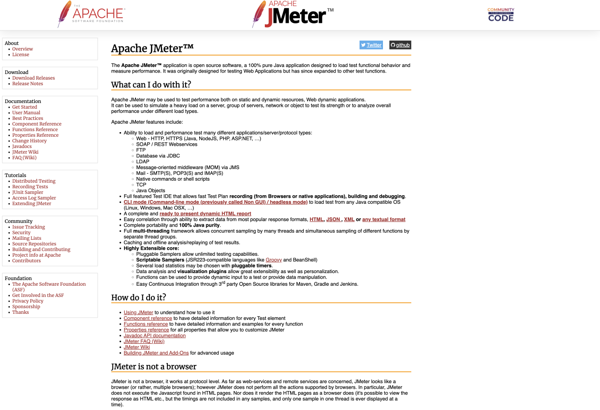
Apache JMeter

Low Orbit Ion Cannon

Apache Benchmark


K6

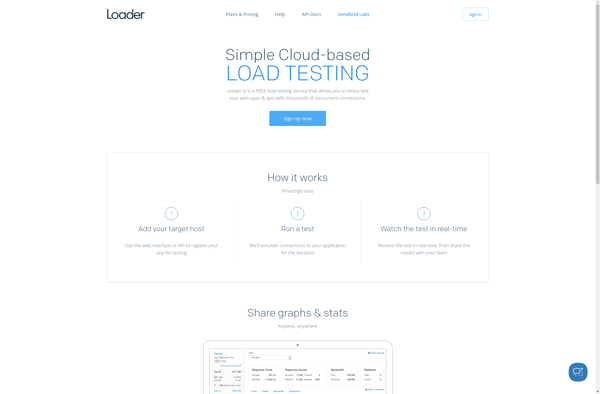
Loader.io

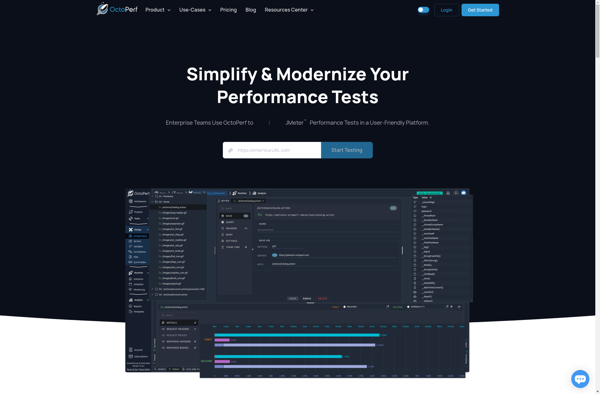
OctoPerf

Loadrunner

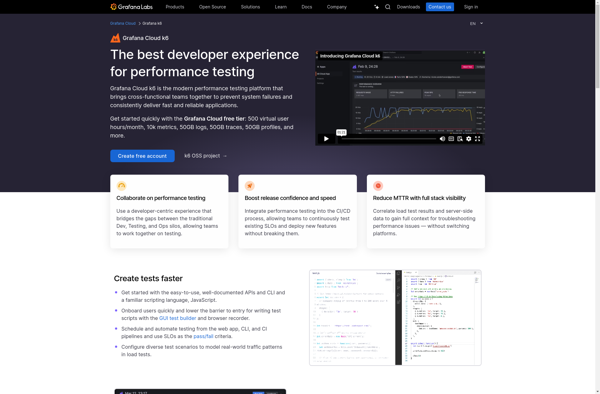
K6 Cloud

Flood.io
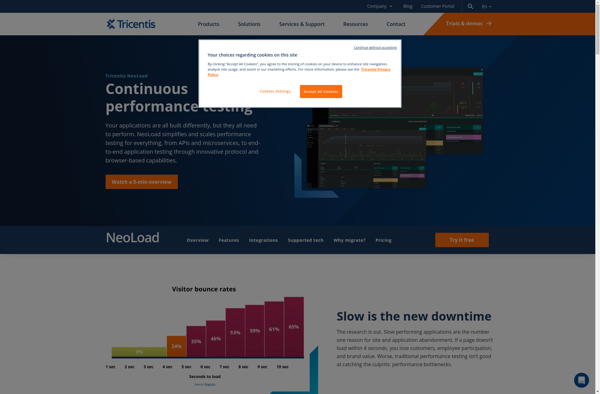

Fast DDoS Attack Cmd


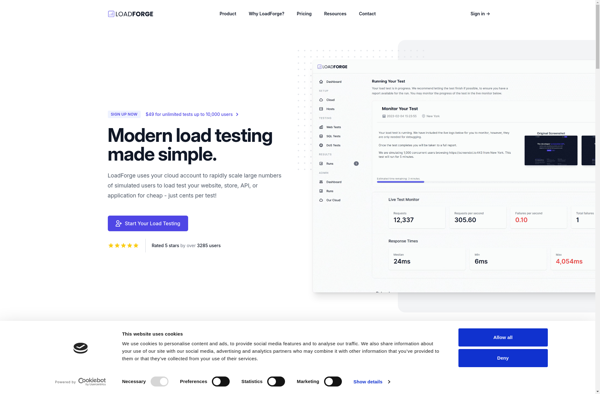
LoadForge

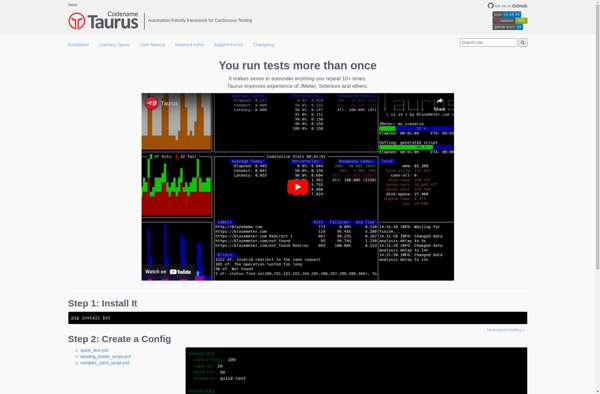
Taurus

CloudTest


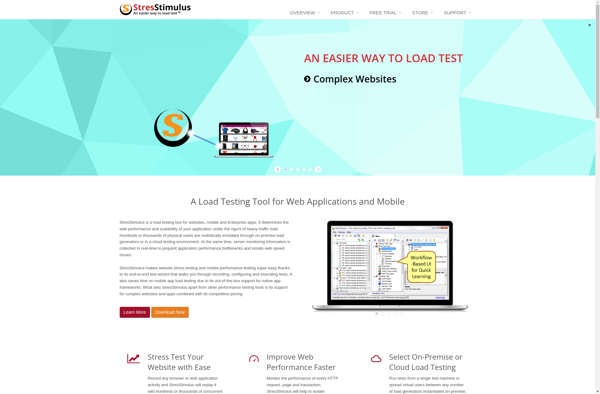
StresStimulus

SilkPerformer


HTTPulse
HailStorm

YandexTank

LoadUIWeb


LoadBooster

LoadStorm

AgileLoad

StormForger

Loadster

WCat

Appvance

WebLOAD


Kraken By octoPerf

UbikLoadPack

AppPerfect Load Test


LoadFocus

Load Tester


Loadium

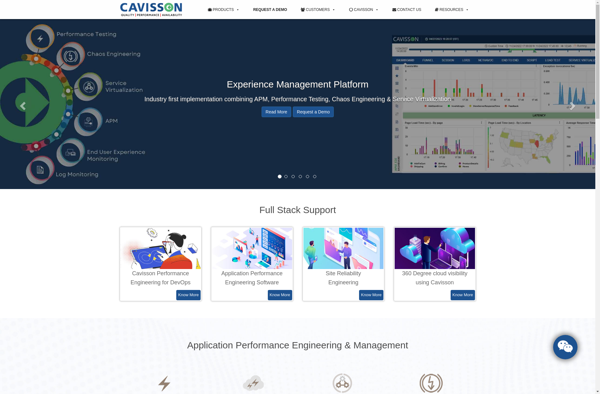
Cavisson NetStorm