psutil is a cross-platform library for retrieving information on running processes and system utilization in Python. It allows you to easily monitor CPU, memory, disk, network and other system resources.
A Python library for retrieving information on running processes and system utilization, allowing easy monitoring of CPU, memory, disk, network, and other system resources.
What is Psutil?
psutil is a cross-platform library for retrieving information on running processes and system utilization in Python. It provides an simple, easy-to-use interface for monitoring different aspects of your system, both software-related and hardware-related.
Some key features of psutil include:
Retrieving comprehensive information on running processes like name, PID, memory and CPU usage, etc.
Getting system utilization statistics like CPU, memory, disk and network usage
Managing running processes by terminating or sending signals to them
Getting information on disks, network connections, sensors and users currently on the system
Works on major operating systems like Linux, Windows, macOS, FreeBSD and Sun Solaris
Lightweight and no dependencies outside Python standard library
psutil makes it very easy to build system monitors, process monitors, system analyzers and profiling tools in Python. If you need to monitor and profile various aspects of a system through Python, psutil is a great choice with an intuitive API.
Psutil Features
Features
Process management (CPU, memory, disks, network, sensors)
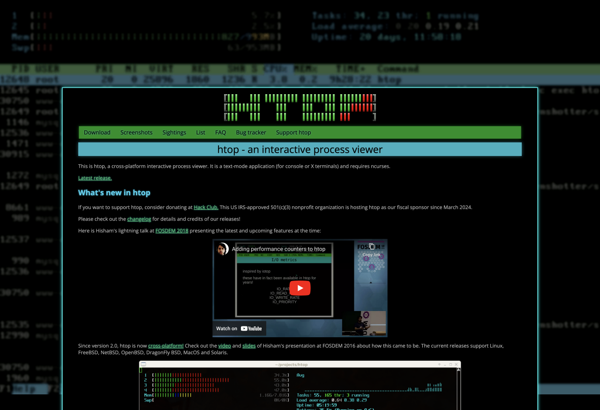
htop is an open source, cross-platform interactive process viewer for Linux systems. It aims to provide a more user-friendly interface to view and interact with running processes than the default top utility included with most Linux distributions.Some key features of htop include:Color-coded rows and columns to easily identify process states...
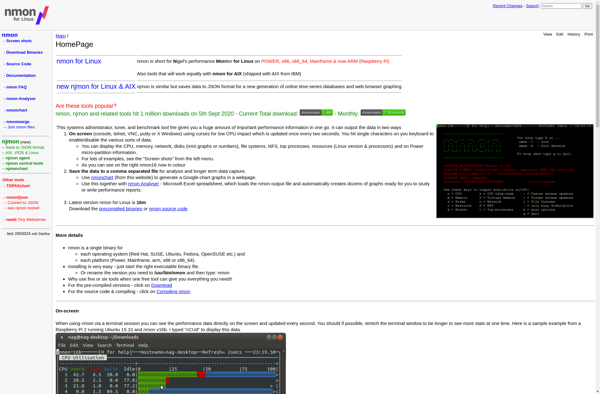
nmon is a powerful and popular system monitor tool developed by IBM specifically for the AIX and Linux operating systems. It is used to monitor CPU, memory, network, disks, file systems and other system performance parameters in real time.Some key features of nmon include:Monitors CPU, memory, disks, network, file systems,...
GNOME System Monitor is a built-in system monitoring and process management utility for the GNOME desktop environment and its derivatives like Ubuntu Unity. It provides both graphical and command-line interfaces to view key system metrics and information.Some of the main features of GNOME System Monitor include:Process manager to view, monitor,...
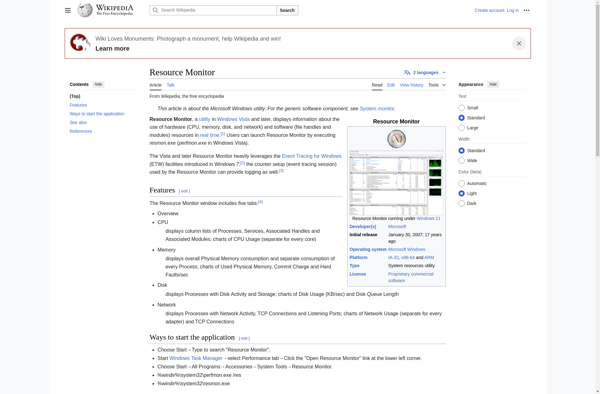
Resource Monitor is a utility included in modern versions of Microsoft Windows that enables users to view detailed usage information about key hardware components and resources. It provides real-time graphs and metrics related to CPU, memory, disk, and network usage.With Resource Monitor, users can pinpoint programs and processes that may...
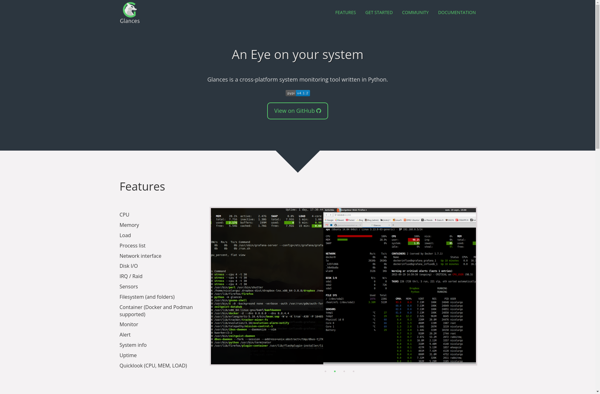
Glances is an open source, cross-platform system monitoring tool written in Python. It allows you to monitor your system's key metrics like CPU, memory, disks, network, and processes in real-time through a curses or web interface.Some key features of Glances include:Real-time overview of system resources utilizationMinimal dependencies and easy to...
Atop is an open-source monitoring tool for Linux systems used to monitor and manage various server resources including CPU, memory, disk drives, network and processes in real-time. It can show both the current status as well as long term statistics of these resources.Some key features of Atop include:Real-time monitoring of...
Linux Process Explorer is an open-source process monitoring and troubleshooting utility for Linux. It enables users to view detailed information about running processes on their system including:Memory usage statistics such as resident set size (RSS), virtual memory size (VMS), shared memory (SHR), and moreCPU utilization percentage and consumptionOpen files and...
libstatgrab is an open-source library written in C that allows programs to easily query key system statistics. It provides a cross-platform interface to access information about CPU usage, memory usage, disk usage, network traffic, uptime, and more on Linux, BSD, macOS, Solaris and other Unix-like operating systems.Some key features of...