Whonix is an open-source desktop operating system focused on privacy, security and anonymity online. It routes all internet traffic through the Tor network to prevent IP address leakage and hide user activity.
What is Whonix?
Whonix is an open-source desktop operating system based on Linux that is designed for advanced online privacy and anonymity. It works by routing all internet traffic through the Tor network, which encrypts traffic and bounces it through relays to hide a user's IP address and location.
Some key features of Whonix include:
All applications are forced to route connections through Tor
The workstation and gateway are isolated for additional protection
Use of decentralized Tor infrastructure improves anonymity
Stream isolation technology like qubes ensures no leaks
Advanced firewall rules and application sandboxes for security
Whonix can run as a virtual machine inside virtualization software like VirtualBox. The gateway routes connections via Tor while the isolated workstation carries out user tasks and applications. This architecture provides strong protection against IP leaks and malware attacks.
Overall, Whonix offers a hardened, Tor-centric OS for users who put a high priority on privacy, confidentiality and anonymity during internet usage.
Whonix Features
Features
Routes all internet traffic through Tor network
Uses virtualization to isolate host OS from malware
Enforces amnesia of VM after each session
Provides anonymity online
Prevents IP address leakage
Hides user activity
Pricing
Open Source
Free
Pros
Strong privacy and anonymity
Open source and free
Good protection against malware
Works well with Tor
Easy to use
Cons
Can be slow due to routing through Tor
Requires some technical knowledge to setup
Limited app compatibility
Not suitable for real-time applications like video streaming
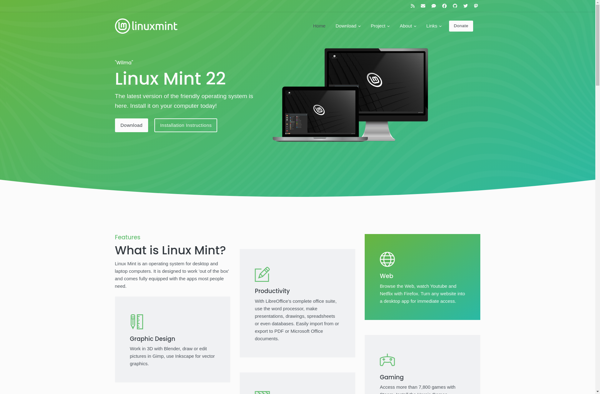
Linux Mint is a Linux distribution built on top of Ubuntu that aims to provide a more complete out-of-the-box experience. Some key aspects of Linux Mint include:User-friendly desktop environment with a familiar workflow for Windows usersComes with a lot of pre-installed software for common tasks like office productivity, internet browsing,...
Windows 7 is a personal computer operating system that was produced by Microsoft as part of the Windows NT family of operating systems. It was released to manufacturing in July 2009 and became generally available in October 2009 as the successor to Windows Vista.Some of the key features and improvements...
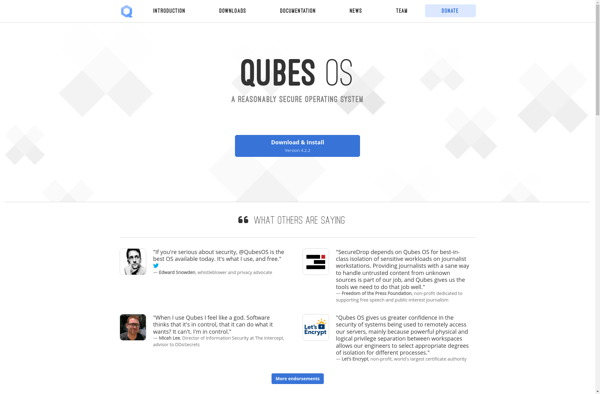
Qubes OS is a security-oriented open source operating system for personal computers that focuses on compartmentalization and isolation to increase security. It utilizes Xen-based virtualization to allow the user to compartmentalize different applications and data into isolated compartments called qubes.Some key features of Qubes OS include:Color-coded qubes for easy visual...
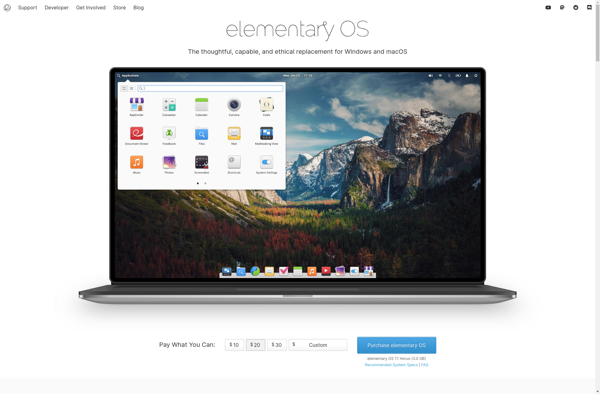
elementary OS is a Linux distribution based on Ubuntu that focuses on providing a fast, open, and privacy-respecting computing experience. It comes with a custom desktop environment called Pantheon that features a sleek and intuitive user interface designed for productivity.Some key features of elementary OS include:An app store called AppCenter...
Debian is one of the oldest and most popular Linux distributions available today. First released in 1993, it is known for its stability, commitment to free software principles, and huge repository of over 50,000 software packages.Some key facts about Debian:It is developed by a worldwide community of volunteers working together...
Puppy Linux is a lightweight Linux distribution that is designed to run well on older computers with limited resources. Some key features of Puppy Linux include:Very small download size, usually under 300 MBCan run entirely from RAM for better performanceEasy to use graphical interface and toolsCompatible with Ubuntu software packagesMany...
Alpine Linux is an independent, non-commercial, general purpose Linux distribution designed for power users who appreciate security, simplicity and resource efficiency.Some key features of Alpine Linux:It uses musl libc and BusyBox to provide a simple but fully functional base system.Very lightweight - the base install is under 5MB, making it...
Pop!_OS is a Linux distribution developed by computer manufacturer System76. It is based on Ubuntu and uses the GNOME desktop environment.Some key features of Pop!_OS include:Custom GNOME desktop theme and system improvements designed for an optimal workflow.Good hardware compatibility, especially with System76 hardware.Streamlined window and workspace management using keyboard shortcuts...
Parrot Security OS is a Debian-based Linux distribution that is specifically designed for cybersecurity professionals, ethical hackers, IT security experts, and penetration testers. It comes preinstalled with over 300 popular open source security and penetration testing tools to aid in tasks like vulnerability assessment, forensic analysis, social engineering assessments, intrusion...
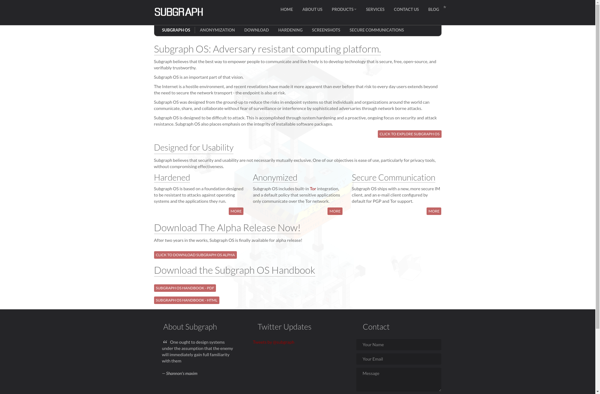
Subgraph OS is a Linux distribution focused on privacy and security for everyday users. It is based on Debian, but incorporates substantial hardening and security enhancements:Integrates comprehensive system hardening like sandboxes, firewalls, etc. to isolate components and limit lateral movement in case of compromise.Uses kernel hardening configurations like GRSEC/PaX to...
Kubuntu is an officially recognized flavor of the Ubuntu Linux distribution that features the KDE Plasma desktop environment instead of Ubuntu's default GNOME desktop. Kubuntu provides a user-friendly, customizable, and visually appealing desktop experience powered by the latest KDE Plasma technologies.Some key features and characteristics of Kubuntu include:Uses the lightweight...
Linux Kodachi is a Debian-based Linux distribution that emphasizes privacy, anonymity, and security. Some of its key features include:Tight security out of the box with hardened kernel, apps sandboxing, and built-in encryptionAdvanced privacy tools like Tor, I2P, VPN clients, anonymous browsing, etc.One-click encryption for hard drives, USB drives, email, etc.Extensive...
Freepto is an open-source, decentralized and encrypted alternative to proprietary cloud storage services like Dropbox. It allows users to store, sync, share and access their files across devices in a secure and private manner.As an open-source project, Freepto's code is transparent and auditable by security researchers, ensuring there are no...
Xubuntu is an official community edition of the Ubuntu operating system that comes with the Xfce desktop environment preinstalled instead of Ubuntu's default GNOME desktop. Xubuntu uses the same software repositories as Ubuntu, so it is just as easy to use and provides a similar user experience, but it is...
Privatix Live-System is a Debian-based Linux distribution that focuses on privacy and security. It is designed to run directly from a USB flash drive, without needing to install anything on the host computer's hard drive.Some key features of Privatix Live-System include:Boots into a secure, encrypted Linux environment with tools like...