Alpine Linux
Alpine Linux is a lightweight Linux distribution based on musl libc and BusyBox. It is designed to be small, simple and secure. Alpine uses OpenRC for init and is focused on security and resource efficiency.
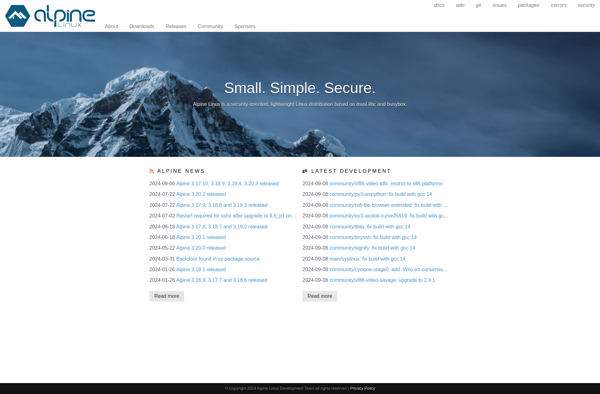
Alpine Linux: Compact & Secure Linux
Alpine Linux is a lightweight Linux distribution based on musl libc and BusyBox, designed for small size, simplicity, and security, using OpenRC for init.
What is Alpine Linux?
Alpine Linux is an independent, non-commercial, general purpose Linux distribution designed for power users who appreciate security, simplicity and resource efficiency.
Some key features of Alpine Linux:
- It uses musl libc and BusyBox to provide a simple but fully functional base system.
- Very lightweight - the base install is under 5MB, making it well suited for containers and embedded systems.
- Security focus - ships with PaX and grsecurity patches for memory protection and more out of the box.
- Uses OpenRC for its init system and service management.
- Supports major architectures like x86, ARM and PowerPC.
- Package manager (apk) allows managing software easily.
- Rolling release model so packages are always up-to-date.
- Supported by an active developer community.
Alpine is commonly used for containers, edge devices, VPNs, routers, servers and media centers. The small footprint makes it very versatile without sacrificing functionality or security.
Alpine Linux Features
Features
- Lightweight
- Small disk and memory footprint
- Musl libc implementation
- BusyBox utilities
- OpenRC init system
- apk package manager
- Hardened kernel with grsecurity patch
- Designed for security
- Resource efficient
Pricing
- Open Source
Pros
Very fast and responsive
Low resource usage
Easy to configure
Secure by default
Great for containers and embedded systems
Cons
Limited package availability compared to other distros
Less user-friendly for beginners
Not many graphical packages
Musl libc may cause compatibility issues
Official Links
Reviews & Ratings
Login to ReviewThe Best Alpine Linux Alternatives
View all Alpine Linux alternatives with detailed comparison →
Top Os & Utilities and Linux Distributions and other similar apps like Alpine Linux
Here are some alternatives to Alpine Linux:
Suggest an alternative ❐
Zorin OS
Zorin OS is a Linux distribution designed specifically for new Linux users coming from Windows or macOS backgrounds. It is based on Ubuntu and uses the GNOME desktop environment, but has been customized with themes, layouts, and tweaks to provide a familiar experience for those accustomed to other operating systems.A...

ReactOS
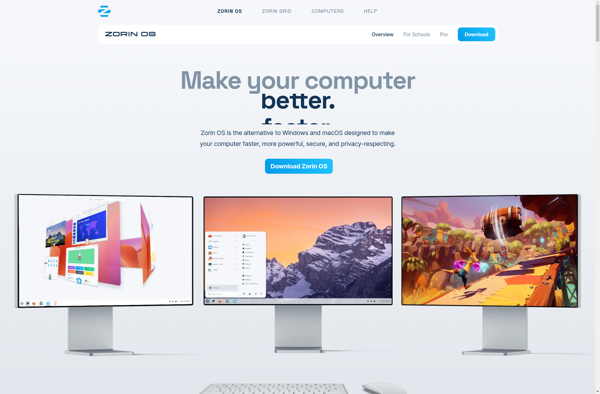
ReactOS is an open-source operating system intended to allow Windows applications and drivers to run natively on Linux/UNIX-like systems. The project aims to provide binary-level compatibility with Windows through clean-room reverse engineering of the Windows API. Development began in 1996 and continues actively today.ReactOS features a Windows-like graphical user interface...

Whonix
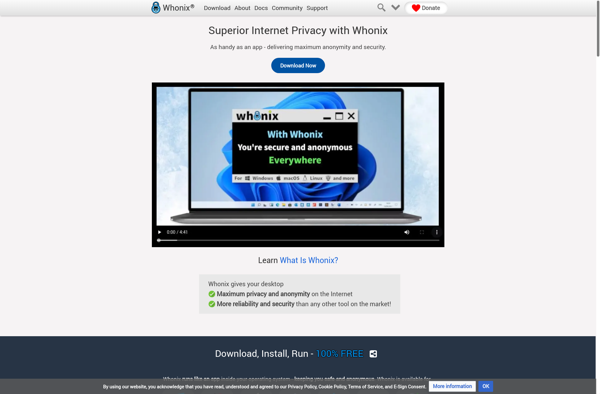
Whonix is an open-source desktop operating system based on Linux that is designed for advanced online privacy and anonymity. It works by routing all internet traffic through the Tor network, which encrypts traffic and bounces it through relays to hide a user's IP address and location.Some key features of Whonix...

Porteus
Porteus is a Slackware-based Linux distribution designed to be completely portable and run on a variety of systems. The key features of Porteus include:Runs completely from RAM for increased speed and privacy. No data is written to hard drive.Small ISO image size for fast downloads.Persistent option available to save settings/data...

BlendOS
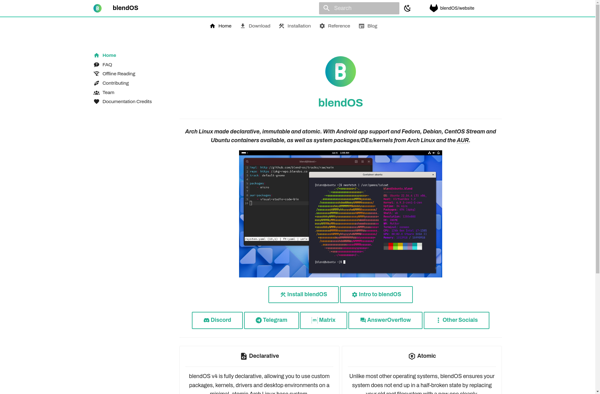
blendOS is an open-source, decentralized operating system that is built on blockchain technology. It was created to give users more control over their privacy, security, and data ownership.Unlike traditional operating systems like Windows or MacOS, blendOS does not store user data on centralized servers owned by corporations. Instead, data is...

Tiny Core Linux
Tiny Core Linux is an open source lightweight Linux operating system focused on providing a minimal environment and small resource usage. The base system is only about 12 MB in size, allowing it to run well on older computers and hardware that may not have enough performance or resources for...


Matriux
Matriux is an open-source decentralized platform built using peer-to-peer technology. Its goal is to enable communities and networks to communicate and collaborate freely without the risk of censorship.Some key features of Matriux include encrypted messaging, forums, media sharing, commerce and payments. It uses advanced cryptographic techniques to ensure privacy and...

Nobara Project
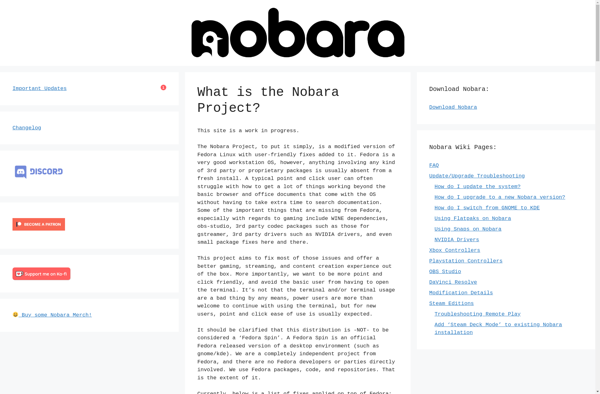
Nobara Project is a free, open source Linux distribution optimized specifically for gaming. It is based on Fedora and aims to provide a ready-to-use Linux distro for gaming that requires very little configuration out of the box.Some key features of Nobara Project include:Comes pre-configured with latest drivers and software for...
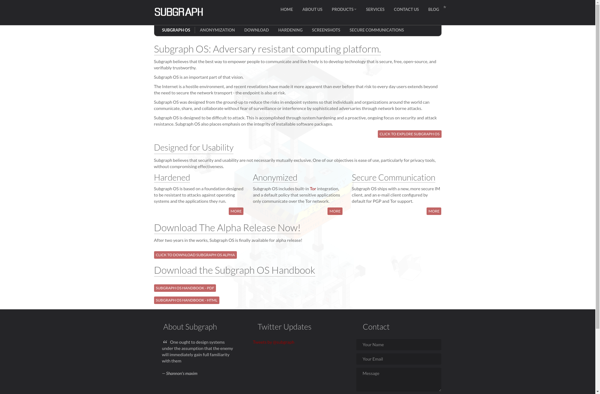
Subgraph OS
Subgraph OS is a Linux distribution focused on privacy and security for everyday users. It is based on Debian, but incorporates substantial hardening and security enhancements:Integrates comprehensive system hardening like sandboxes, firewalls, etc. to isolate components and limit lateral movement in case of compromise.Uses kernel hardening configurations like GRSEC/PaX to...
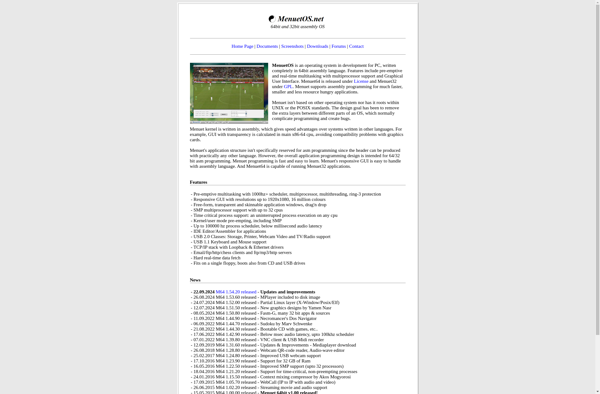
MenuetOS
MenuetOS is an experimental open-source operating system for personal computers. It is written mostly in assembly language and designed to be fast, lightweight, and include a graphical user interface.Some key features of MenuetOS:Monolithic kernel architecture - All core OS functionality is handled by the kernel rather than separate processes.Very small...

Minimal Linux Live
Minimal Linux Live is a Linux distribution designed to be extremely small and lightweight so that it can run entirely from removable media like a USB flash drive or CD. Despite its small size, it still provides a usable Linux environment focused on everyday tasks.When booted, Minimal Linux Live loads...

Peppermint OS
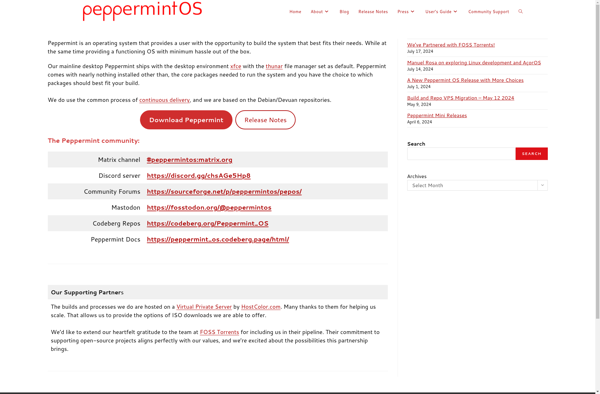
Peppermint OS is a lightweight Linux distribution based on Lubuntu that integrates cloud and web applications into the desktop. It uses a hybrid concept that allows web and cloud applications to integrate with native desktop apps. The goal is to make transitioning between locally installed software and internet-based applications very...

Vanilla OS
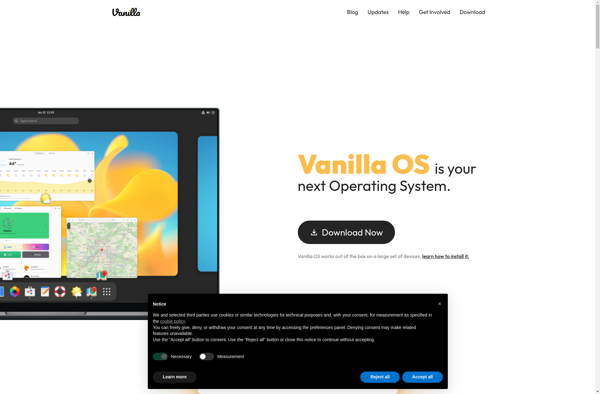
Vanilla OS is a lightweight Linux distribution developed as an open-source operating system focused on simplicity, speed, and ease of use. Based on a minimal Debian core, Vanilla OS uses the Openbox window manager and its own Vanilla Desktop Environment (VDE) to provide a fast and intuitive user experience.By eschewing...

Linux Kodachi
Linux Kodachi is a Debian-based Linux distribution that emphasizes privacy, anonymity, and security. Some of its key features include:Tight security out of the box with hardened kernel, apps sandboxing, and built-in encryptionAdvanced privacy tools like Tor, I2P, VPN clients, anonymous browsing, etc.One-click encryption for hard drives, USB drives, email, etc.Extensive...
Wubuntu
Wubuntu is an open-source Linux distribution based on Ubuntu that is designed to provide a familiar Windows-like experience for users transitioning from Windows operating systems. While retaining the stability, security, and flexibility of Ubuntu at its core, Wubuntu strives to make Linux less intimidating for new users by providing a...
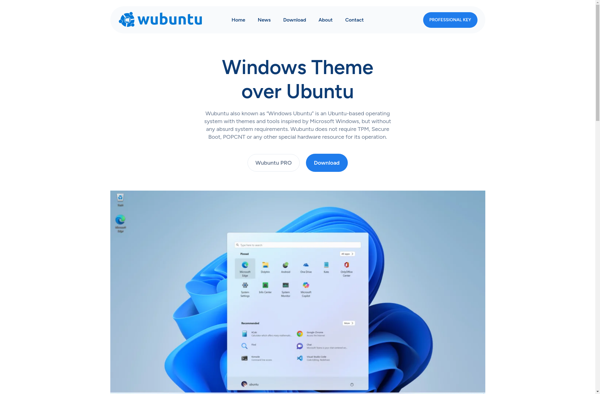

Macpup
Macpup is a Linux distribution that is optimized for running on older, 32-bit Apple Macintosh computers. It provides a lightweight yet fully-featured Linux desktop environment and software on systems that can no longer run modern macOS releases.Macpup is based on Puppy Linux, which focuses on low system resource usage for...

UwUntu
UwUntu is a Linux distribution derived from Ubuntu that features an anime-inspired mascot and theme. The name and branding play on the Japanese word "uwu", an emoticon expressing cuteness. Visually, UwUntu utilizes pastel colors, neko-themed icons, and anime wallpapers to create a bright, cheerful environment compared to Ubuntu's default dignified...

Vector Linux
Vector Linux is a Linux distribution based on Slackware that aims to provide a fast, highly efficient, and easy-to-use Linux operating system for everyday use. It was launched in 2008 with a focus on lower system resource usage while still providing good usability and powerful performance.Vector uses the lightweight Xfce...

Zenwalk Linux
Zenwalk Linux is a Slackware-based Linux distribution that focuses on being a lightweight, fast, and easy-to-use desktop operating system. It uses the Xfce desktop environment by default, which helps it achieve relatively low memory and CPU usage while still providing an attractive and intuitive graphical interface.Some of the main features...

Funtoo Linux
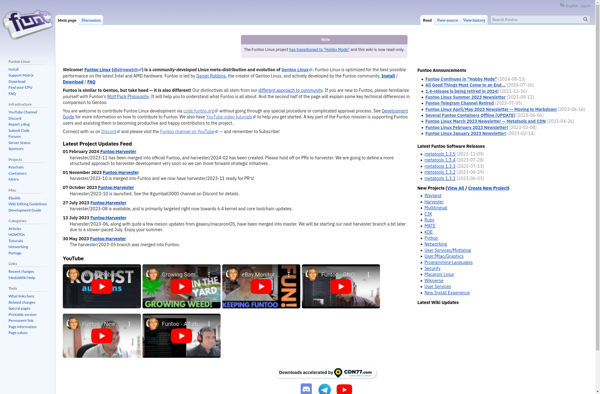
Funtoo Linux is a source-based, general purpose Linux distribution that branched from Gentoo Linux in 2008. It was founded by Daniel Robbins, the creator of Gentoo Linux, as an independent project with a strong focus on ongoing innovation and improvement.Like Gentoo, Funtoo utilizes a ports-based build system called Metro that...

Absolute Linux
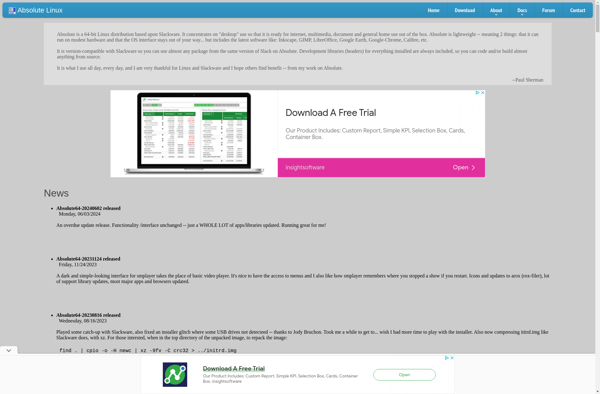
Absolute Linux is a lightweight Linux distribution based on Slackware Linux. It strives to be simple, lightweight and fast while still being a fully functional desktop operating system.Some key features of Absolute Linux:Uses Slackware as its base, which is known for stability and simplicityVery lightweight - can run well on...

DeLicate Linux
DeLicate Linux is a Debian-based Linux distribution specifically designed to breathe new life into aging computers that may not have the resources to run newer mainstream distros comfortably. It uses the lightweight Openbox window manager by default and comes preloaded with a carefully curated selection of applications chosen for their...

Supreme Linux Enterprise
Supreme Linux Enterprise is a Linux distribution optimized for deployment in enterprise environments. It is built on a stable codebase and goes through rigorous security and quality assurance testing before release. Some key features include:Long-term support releases with 5 years of security and maintenance updatesCertification for running mission-critical applications like...