DeskGap is a desktop app that allows you to run web apps like Progressive Web Apps, websites, and web tools locally on your computer. It essentially brings the functionality and convenience of cloud-based apps to your desktop in a secure and optimized way.
DeskGap is a desktop app that allows you to run web apps like Progressive Web Apps, websites, and web tools locally on your computer.
What is DeskGap?
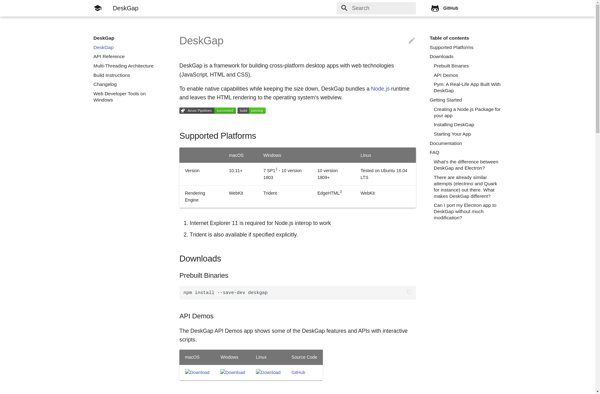
DeskGap is an open-source desktop application that allows you to run web applications, websites, and web tools natively on your computer. It brings the functionality of cloud-based software and services to your local desktop environment.
With DeskGap, you can use apps like Google Docs, Trello, Notion, etc. directly on your desktop without going through a browser. It essentially converts these web apps into desktop applications that run locally on your computer.
Some key features and benefits of DeskGap include:
Use web apps offline - DeskGap caches web app data and allows usage without internet
Faster performance - Apps run natively avoiding browser overload
More secure - Apps run in a sandboxed environment protecting your device
Desktop integrations - Deep OS integrations like notifications, shortcuts etc.
Open source - Free and transparent code that respects user privacy
DeskGap brings the versatility of the cloud - collab, ease-of-use, latest tools to the reliability and security of desktop. It can boost productivity for remote work and businesses relying on web apps. The open source and transparent architecture also makes it more trustworthy.
DeskGap Features
Features
Run web apps like Progressive Web Apps, websites, and web tools locally on your desktop
Brings the functionality and convenience of cloud-based apps to your desktop
Secure and optimized environment for running web-based applications
Cross-platform support (Windows, macOS, and Linux)
Lightweight and fast performance
Ability to access local resources and hardware features
Supports Node.js for building desktop applications with web technologies
Pricing
Open Source
Pros
Allows you to run web-based applications offline and locally
Provides a secure and optimized environment for running web apps
Cross-platform support makes it accessible to a wide range of users
Lightweight and fast performance compared to traditional desktop applications
Ability to access local resources and hardware features extends the capabilities of web apps
Cons
Limited feature set compared to native desktop applications
Dependency on web technologies may limit the range of applications that can be built
Potential compatibility issues with some web technologies or libraries
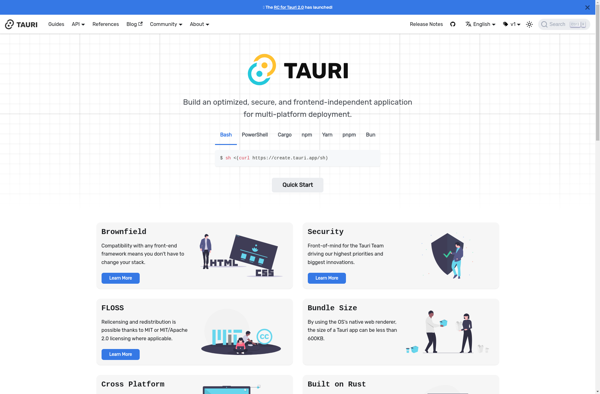
Tauri is an open source framework for building tiny, blazing fast binaries for all major desktop platforms including Windows, MacOS, and Linux. It leverages web technologies like HTML, CSS, and JavaScript through platforms like React, Angular, and Vue to build cross-platform native desktop applications.Some key highlights of Tauri:Lightweight - Binaries...
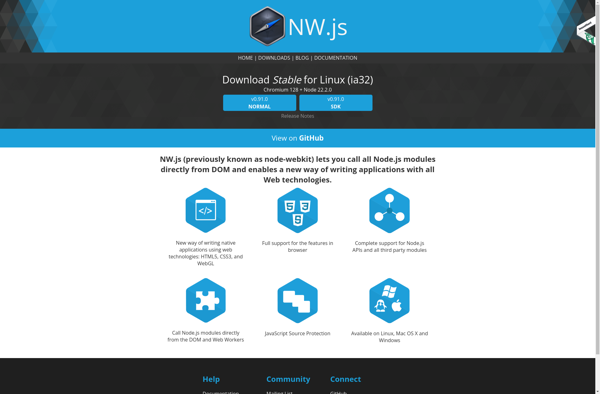
NW.js (formerly node-webkit) is an open source framework for creating desktop applications using web technologies. It lets developers build desktop applications using HTML, CSS and JavaScript. The framework bundles Chromium and Node.js into a single runtime so you can call Node.js modules directly from the DOM and enable native desktop...
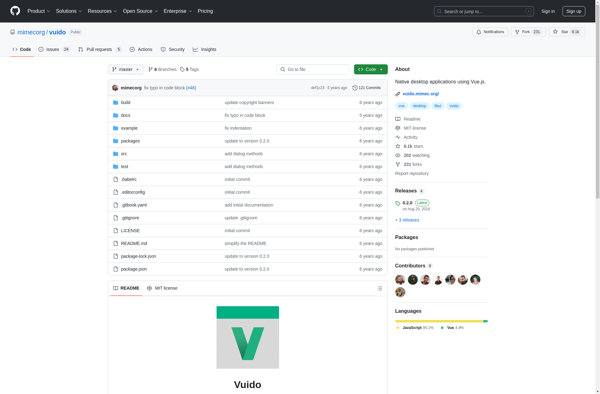
Vuido is an open-source framework for building native desktop applications using Vue.js components and JavaScript. It allows developers to reuse their knowledge of Vue for building cross-platform desktop apps that run on Windows, Mac and Linux.Some key features of Vuido:Use Vue.js single file components to build the UIAccess native OS...
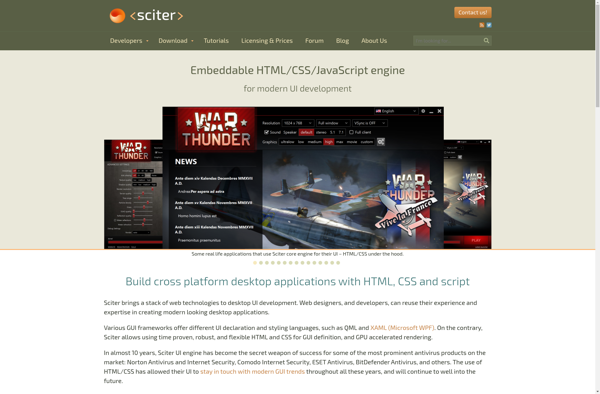
Sciter is an embeddable HTML/CSS/scripting engine aiming to create modern desktop applications. It allows developers to build lightweight cross-platform user interfaces using web technologies like HTML, CSS, and JavaScript without requiring a web browser.Some key features of Sciter include:Lightweight footprint - Sciter has a small memory and disk footprint compared...
NeutralinoJS is an open source lightweight cross-platform desktop application framework that allows developers to build desktop apps using web technologies like HTML, CSS and JavaScript. It uses Chromium and Node.js under the hood to allow web developers to leverage their existing skills to create lightweight and performant desktop apps.Some key...
pywebview is a lightweight Python library that provides a simple wrapper around a webview component to enable displaying HTML content in its own native GUI window. It works across different platforms like Windows, macOS, and Linux.Some key features of pywebview include:Lightweight and easy to integrate into Python applicationsUses native webview...
WebDGap is an open-source web application firewall (WAF) designed to protect web applications by filtering, monitoring, and blocking malicious HTTP traffic. It sits between a web application and the Internet, analyzing all incoming and outgoing HTTP/HTTPS requests to identify and block threats like cross-site scripting (XSS), SQL injection, remote file...
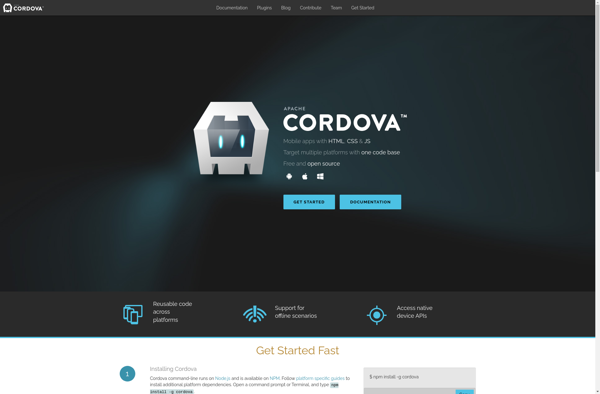
Apache Cordova is an open-source mobile application development framework originally created by Nitobi. It enables developers to use standard web technologies like HTML5, CSS3, and JavaScript for cross-platform development, avoiding native development languages like Objective-C for iOS and Java for Android.Cordova wraps the HTML and JavaScript code into a native...
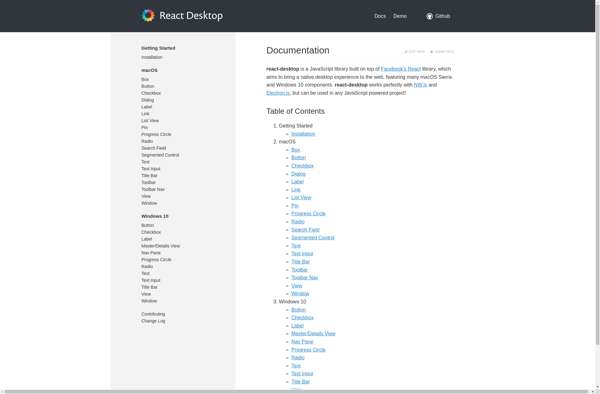
React Desktop is an open source library that enables developers to build cross-platform desktop applications using React and JavaScript. It is designed to work with Electron, a framework for building desktop apps using web technologies.Some key highlights of React Desktop:Provides native UI components like windows, menus, trays, notifications out of...
Proton Native is an open-source framework built on top of React, Electron, and Node.js for creating cross-platform desktop applications using JavaScript, HTML and CSS.Some key capabilities and benefits of Proton Native include:Write code once and deploy to Windows, macOS and LinuxUse existing knowledge of web development (React, CSS, etc.)Access native...
Capacitor by Ionic is an open source runtime that allows developers to build cross-platform native apps using web technologies like HTML, CSS and JavaScript. It works by wrapping the web code into native containers to access device features on iOS, Android and the web.Some key features of Capacitor include:Wraps web...