Mambo is an open source content management system and web application framework written in PHP. It is designed to allow users with little programming knowledge to easily create, manage, and deploy web-based applications.
Mambo is an open source content management system and web application framework written in PHP, designed for users with little programming knowledge to create, manage, and deploy web-based applications.
What is Mambo?
Mambo is an open source content management system (CMS) and web application framework written in PHP. Originally launched in 2001, Mambo was designed to allow users with little programming knowledge to easily create, manage, and deploy web-based applications.
Some key features of Mambo include:
User-friendly administration interface and workflow for managing content
Support for multiple authors and permission levels
Template system for customizing website designs
Extensions for adding new functionality
Built-in search engine optimization features
Multi-lingual support
Although the Mambo project is no longer actively maintained, it helped inspire spin-off projects like Joomla. Many Mambo-based websites continue to run thanks to a lively developer community maintaining compatibility even as web standards evolve over time.
Mambo remains a flexible, lightweight option for websites that do not require the additional features offered by larger CMS platforms. Its basic feature set allows it to better maintain performance as traffic and storage needs increase over time.
Mambo Features
Features
WYSIWYG editor
Template system
Multi-lingual support
SEO optimization
Access control
Media management
Forums
Blogs
News feeds
E-commerce integration
Pricing
Open Source
Custom Pricing
Pros
Open source
Extensive plugin ecosystem
Good documentation
Active community support
Easy to use interface
SEO friendly
Cons
Can be resource intensive
Steep learning curve for advanced features
Limited native e-commerce features
Potential security vulnerabilities if not updated regularly
What Is WordPress?WordPress is the world's most popular content management system, powering over 40 percent of all websites on the internet. Originally created as a blogging platform in 2003, it has evolved into a full website builder and application framework used for everything from personal blogs to enterprise websites and...
Drupal is a free and open-source content management system (CMS) written in PHP. It allows users to easily create, manage, and publish content on websites. Some of the key features of Drupal include:Intuitive interface and workflow allows content editors to quickly create, review, edit, publish, and archive webpages with no...
Directus is an open-source headless content management system and API for managing SQL databases. It features:An intuitive admin app interface allowing non-technical users to manage content, users, permissions, flows, and more without codingA GraphQL and REST API for accessing and modifying dataSupport for PostgreSQL, MySQL, SQL Server, SQLite, and Oracle...
Joomla is an open source content management system (CMS) for building powerful websites and online applications. First released in 2005, Joomla is now one of the most popular CMS platforms with over 30 million downloads worldwide.Joomla has a wide range of features that make it an attractive platform for all...
Plone is a free and open source content management system (CMS) built on top of the Zope application server and written in Python. It allows non-technical users to easily create, organize, publish, and maintain content via a web interface without needing to know HTML or programming.Some key features of Plone...
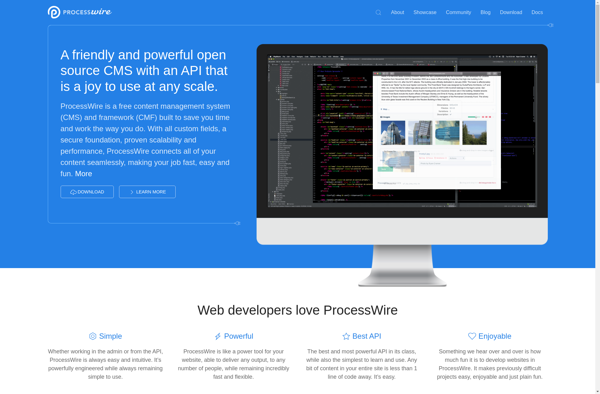
ProcessWire is an open-source content management system (CMS) and web application framework aimed at the needs of designers, developers and their clients. It is built on PHP and has a strong focus on flexibility, modularity, customization, and ease of use.Some key features and characteristics of ProcessWire include:Clean, modular codebase allowing...
Tiki Wiki CMS Groupware is a free and open source web-based content management system and collaboration platform. It includes a wide range of features including:Wiki - for collaborative editing and knowledge sharingBlogs and newslettersForums and chatCalendars, schedules and task managementImage and file galleriesPolls and surveysArticles with front-end editing and commentsUser...
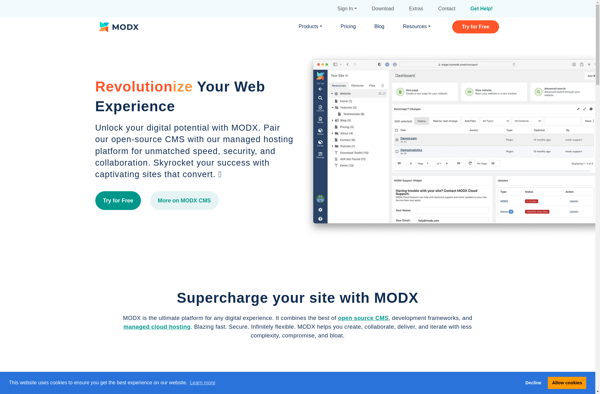
MODX is an open source content management system and web application framework written in PHP. It allows users to easily create and manage dynamic websites and web applications without needing extensive coding knowledge.Some key features of MODX include:Intuitive web-based administration interface for managing site content, users, and settingsDrag-and-drop page editor...
Concrete CMS is an open source content management system built with PHP and MySQL. It is designed to be easy to use for creating and managing all types of websites.Some key features of Concrete CMS include:Intuitive WYSIWYG editing interface for content creationDrag-and-drop page building toolsPowerful features for organizing and structuring...
Automad is an open-source content management system (CMS) and website builder designed for flexibility, modularity and ease of use. It allows users without coding experience to easily create modern, responsive websites, blogs and web applications.Key features of Automad include:Modular, block-based layout engine that makes it easy to build custom page...
django CMS is an open source content management system based on the Python Django web framework. It was originally created in 2009 by Patrick Lauber and has since grown into a popular CMS with a vibrant open source community.Some key features and benefits of django CMS include:Intuitive interface and workflows...