GNUstep is an open source implementation of the Cocoa/Cocoa Touch frameworks used on Apple platforms like macOS, iOS, iPadOS and watchOS. It allows developers to build applications with a Cocoa-like API for other operating systems like Linux, FreeBSD and Windows.
What is GNUstep?
GNUstep is an open source implementation of the Cocoa and Cocoa Touch application development frameworks used by Apple on platforms like macOS, iOS, iPadOS and watchOS. It provides a free software replacement for these frameworks that allows developers to build Cocoa-like applications that run on other operating systems like Linux, FreeBSD and Windows.
The GNUstep frameworks provide interfaces and object classes that will be familiar to Cocoa developers, implemented using a mix of GNU tools and free software libraries. This allows developers to build applications using Objective-C and the same rich application programming interfaces (APIs) like AppKit and Foundation, while still targeting alternate platforms beyond the Apple ecosystem.
Some of the key capabilities and components provided by GNUstep include:
Objective-C runtime and object model
Foundation framework with classes like NSString, NSArray, NSDictionary
AppKit framework with GUI interface classes
Back-End service for building Cocoa applications
Guile scripting language binding
GNU tools integration like GNU debugger and Make build system
GNUstep makes it possible for developers looking to leverage their Cocoa and Objective-C experience to write cross-platform applications. It brings the flexibility of the Cocoa frameworks for building feature-rich apps to a broader range of operating systems. The project is published under the terms of the GNU General Public License.
GNUstep Features
Features
Cocoa-like API for non-Apple platforms
Cross-platform development for Linux, FreeBSD, and Windows
Object-oriented application development framework
Integrated development environment (IDE) support
Graphical user interface (GUI) toolkit
Networking and file system management
Database and persistence layer integration
Multimedia and graphics capabilities
Pricing
Open Source
Pros
Open source and free to use
Familiar development environment for Cocoa/Cocoa Touch developers
Cross-platform compatibility with a wide range of operating systems
Active community and ongoing development
Extensive documentation and resources available
Cons
Limited adoption compared to Apple's Cocoa/Cocoa Touch
Potential compatibility issues with newer versions of target platforms
Smaller ecosystem and fewer third-party libraries/tools available
May require more effort to set up and configure compared to native platforms
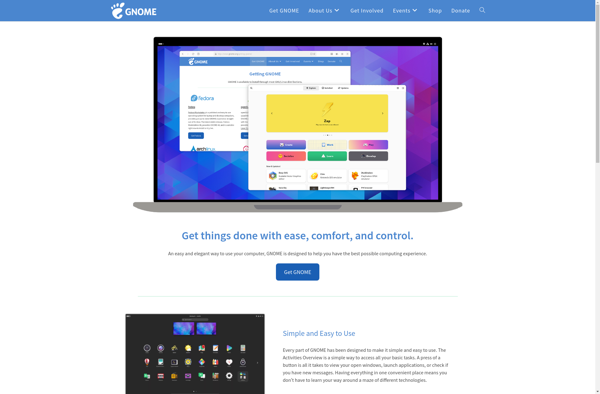
GNOME (pronounced Guh-NOHM) is a highly intuitive and user-friendly desktop environment and graphical user interface that runs on top of a computer's operating system. It is designed to be easy to use, accessible, customizable, and free as in freedom.GNOME includes a set of default applications for common tasks like browsing...
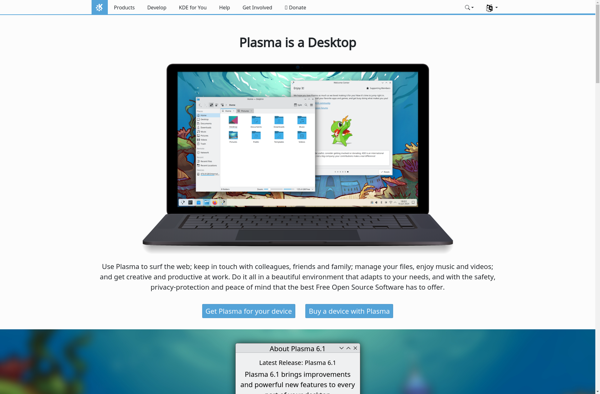
KDE Plasma is a free and open-source desktop environment for Linux and other Unix-like operating systems. It is highly customizable and features a graphical user interface designed for productivity and ease-of-use.Some key features of KDE Plasma include:Customizable interface - Users can rearrange panels, add widgets, change themes, icons, fonts, colors,...
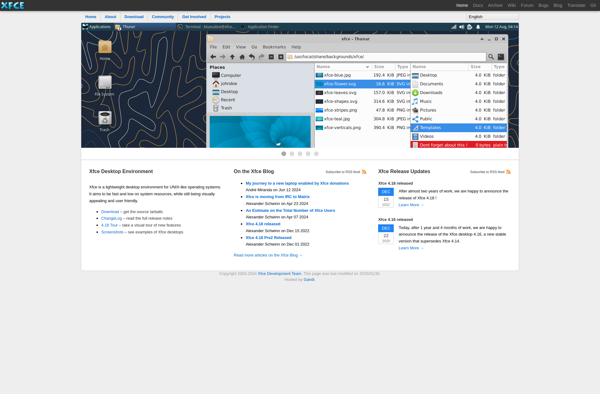
Xfce is a lightweight desktop environment for Linux and other UNIX-like operating systems. It aims to be fast and lightweight, while still being visually appealing and easy to use. Some key features and characteristics of Xfce include:Designed for speed and low resource usage - makes it a popular choice for...
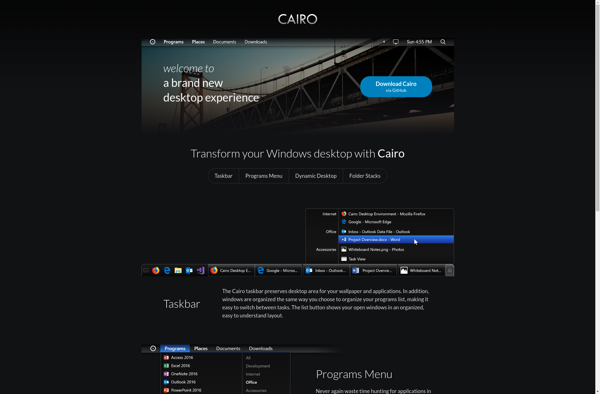
Cairo Shell is a desktop graphical shell designed for Linux operating systems. It aims to provide an intuitive yet powerful user interface for managing applications and files.Some key features of Cairo Shell include:A simple, clean interface with smooth scrolling animations and transparency effectsHighly customizable desktop with support for desktop widgets...
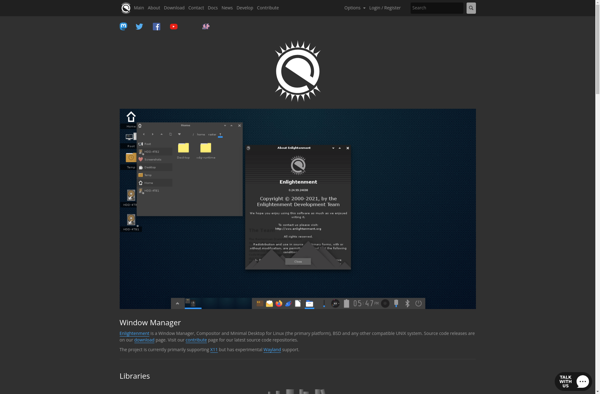
Enlightenment, also known simply as E, is an open source desktop environment and window manager project aimed at providing Linux and BSD users with a lightweight yet visually appealing graphical user interface. Some key highlights of Enlightenment include:Very lightweight and fast, ideal for older hardware or resource constrained environmentsHighly themeable...
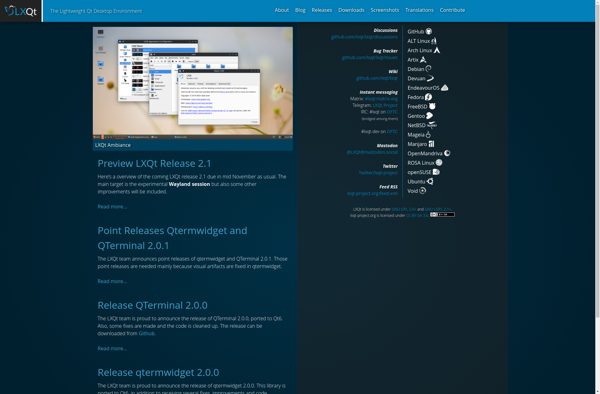
LXQt is a lightweight desktop environment for Linux and UNIX-like operating systems. It is designed to be highly modular and customizable while using relatively few system resources.Some key features of LXQt:Uses the Qt framework for its graphical user interface, allowing integration with Qt appsVery lightweight - ideal for older hardware...
LXDE (Lightweight X11 Desktop Environment) is an open source desktop environment for Linux and other Unix-like operating systems. It is designed to be lightweight, modular, and resource-friendly, making it a good choice for older or less powerful hardware.Some key features and characteristics of LXDE:Very low memory and CPU usage compared...
Cinnamon is a free and open-source desktop environment designed for the Linux operating system. Developed as part of the Mint Linux distribution, Cinnamon aims to provide an elegant and intuitive user experience.Some key features of Cinnamon include:Familiar graphical desktop metaphor interface, making it easy for users coming from Windows or...
xfdashboard is an application dashboard designed specifically for the Xfce desktop environment on Linux. It provides quick access to frequently used applications, documents, bookmarks, and more without requiring you to open up the full desktop interface.Some key features of xfdashboard include:Customizable interface - You can add, remove, and rearrange items...