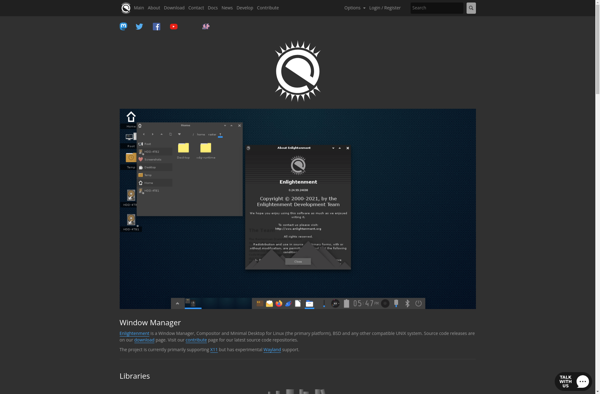
Enlightenment is a very lightweight and highly configurable desktop environment for Linux and BSD operating systems. It focuses on simplicity, elegance, and getting out of the way of the user.
Enlightenment: Lightweight and Configurable Desktop Environment
A simple and elegant desktop environment for Linux and BSD operating systems
What is Enlightenment?
Enlightenment, also known simply as E, is an open source desktop environment and window manager project aimed at providing Linux and BSD users with a lightweight yet visually appealing graphical user interface. Some key highlights of Enlightenment include:
Very lightweight and fast, ideal for older hardware or resource constrained environments
Highly themeable and customizable graphical interface and effects
Supports compositing for transparency/fading effects
Built-in library for creating GUI apps consistent with E style
Modular architecture allowing use of only needed components
Enlightenment is known for its focus on being lightweight and configurable while still providing an attractive look and feel. The default theme includes background images, translucent menus, icons and title bars, and visual effects. Users can fully customize the interface through themes, modules, and preferences. It can serve as a standalone desktop environment or be used on top of another environment like X11.
Enlightenment continues to be actively developed as an open source project maintained by community contributors and developers. It went through extensive rewriting and modernization in the 2012 release of E17 and further improvements continue into the latest E20+ releases. Enlightenment provides a lightweight yet visually refined desktop environment ideal for older hardware all the way up to the latest devices.
Enlightenment Features
Features
Highly configurable and customizable desktop environment
Very lightweight and fast
Supports compositing for graphical effects
Themeable look and feel
Virtual desktop support
Application launcher menu
System tray and notifications
Settings modules for configuring desktop
Pricing
Open Source
Pros
Lightweight and fast
Very customizable
Good performance even on old hardware
Low resource usage
Very stable and mature codebase
Active development community
Cons
Steep learning curve due to high configurability
Less user-friendly than mainstream DEs like GNOME
Smaller user base and community than more popular DEs
Less integrated with common Linux desktop technologies
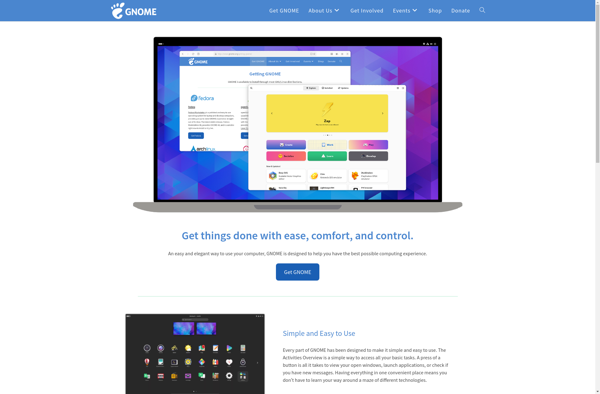
GNOME (pronounced Guh-NOHM) is a highly intuitive and user-friendly desktop environment and graphical user interface that runs on top of a computer's operating system. It is designed to be easy to use, accessible, customizable, and free as in freedom.GNOME includes a set of default applications for common tasks like browsing...
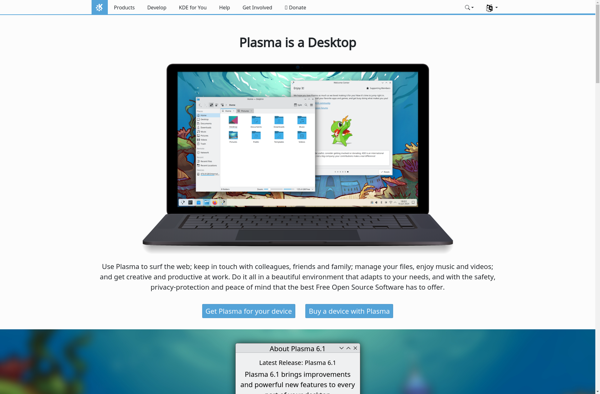
KDE Plasma is a free and open-source desktop environment for Linux and other Unix-like operating systems. It is highly customizable and features a graphical user interface designed for productivity and ease-of-use.Some key features of KDE Plasma include:Customizable interface - Users can rearrange panels, add widgets, change themes, icons, fonts, colors,...
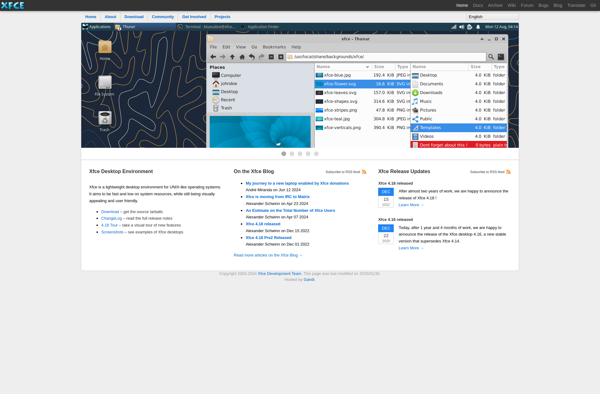
Xfce is a lightweight desktop environment for Linux and other UNIX-like operating systems. It aims to be fast and lightweight, while still being visually appealing and easy to use. Some key features and characteristics of Xfce include:Designed for speed and low resource usage - makes it a popular choice for...
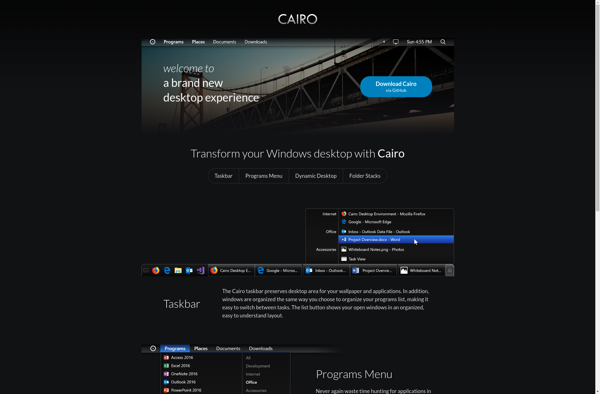
Cairo Shell is a desktop graphical shell designed for Linux operating systems. It aims to provide an intuitive yet powerful user interface for managing applications and files.Some key features of Cairo Shell include:A simple, clean interface with smooth scrolling animations and transparency effectsHighly customizable desktop with support for desktop widgets...
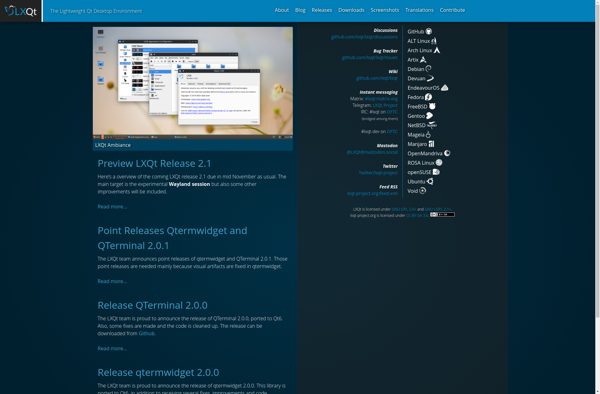
LXQt is a lightweight desktop environment for Linux and UNIX-like operating systems. It is designed to be highly modular and customizable while using relatively few system resources.Some key features of LXQt:Uses the Qt framework for its graphical user interface, allowing integration with Qt appsVery lightweight - ideal for older hardware...
LXDE (Lightweight X11 Desktop Environment) is an open source desktop environment for Linux and other Unix-like operating systems. It is designed to be lightweight, modular, and resource-friendly, making it a good choice for older or less powerful hardware.Some key features and characteristics of LXDE:Very low memory and CPU usage compared...
The Common Desktop Environment (CDE) is a desktop environment that was commonly used in commercial UNIX operating systems in the 1990s. It was developed through a collaboration between HP, IBM, Sun Microsystems, and other major UNIX vendors at the time.CDE provided an integrated graphical user interface for UNIX systems, featuring...
Cinnamon is a free and open-source desktop environment designed for the Linux operating system. Developed as part of the Mint Linux distribution, Cinnamon aims to provide an elegant and intuitive user experience.Some key features of Cinnamon include:Familiar graphical desktop metaphor interface, making it easy for users coming from Windows or...
EasyPeasy is an Ubuntu-based Linux distribution targeted at netbooks and other systems with relatively low-power hardware specifications. Some key features of EasyPeasy include:Lightweight UI optimized for netbook screensCustomized interface with large icons and easy access to key functionsBundled with popular applications like Firefox, VLC media player, OpenOffice, and moreCarefully tweaked...
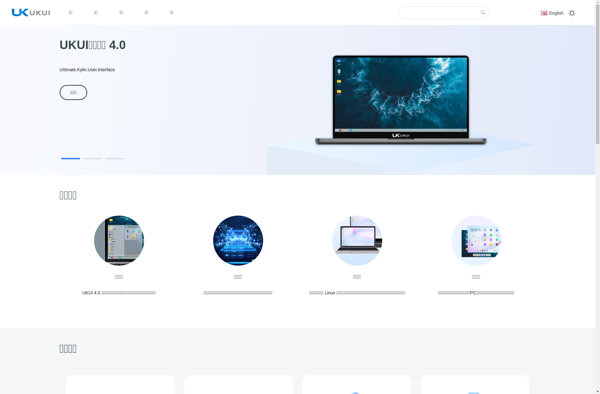
UKUI is a lightweight desktop environment based on GNOME and developed primarily for Chinese Linux distributions. It focuses on simplicity, efficiency, and ease of use.Some key features of UKUI include:Simple and intuitive user interface designed to be easy to use for Linux beginners.Very lightweight and fast, ideal for older hardware...
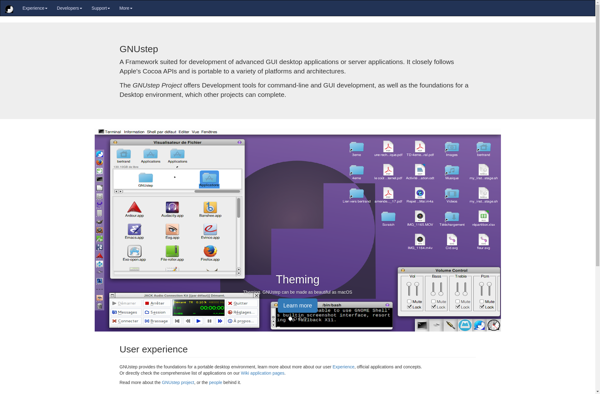
GNUstep is an open source implementation of the Cocoa and Cocoa Touch application development frameworks used by Apple on platforms like macOS, iOS, iPadOS and watchOS. It provides a free software replacement for these frameworks that allows developers to build Cocoa-like applications that run on other operating systems like Linux,...
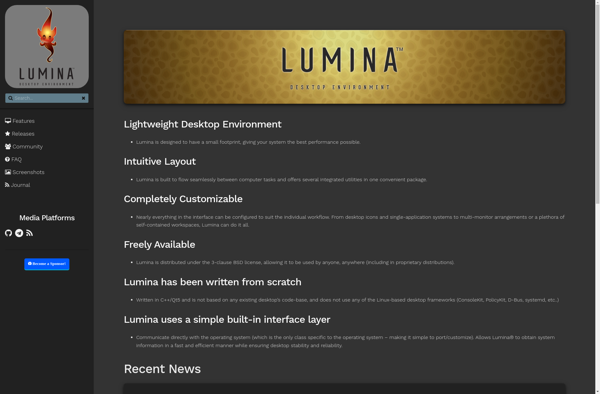
Lumina Desktop Environment (Lumina for short) is a free, open-source desktop environment designed for UNIX and UNIX-like operating systems such as Linux, FreeBSD, and OpenIndiana. Lumina aims to provide a lightweight, resource-efficient, and intuitive desktop experience.Some key features and goals of Lumina include:Minimal resource usage - Lumina is designed to...
Unity Desktop Environment is a graphical desktop environment that was originally developed by Canonical Ltd. for the Ubuntu Linux operating system. First released in 2010, Unity aimed to provide an intuitive and elegant desktop experience for Ubuntu users.Some key features and goals of the Unity desktop include:Simplified user interface -...
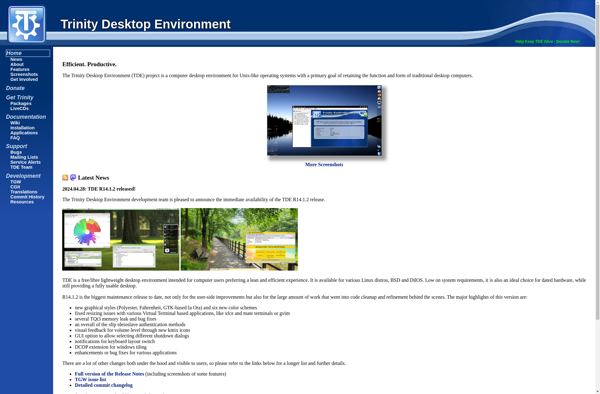
Trinity Desktop Environment (TDE) is a fork of the KDE 3 desktop that aims to continue the KDE 3.5 legacy for Linux and other Unix-like operating systems. It provides a lightweight, stable, fast and customizable desktop environment that resembles the look and feel of the KDE 3.5 releases.TDE was created...
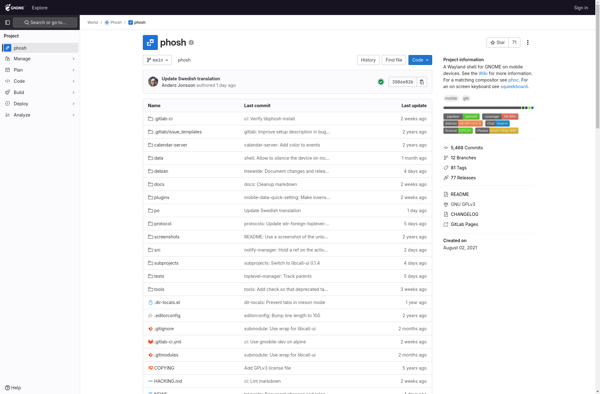
Phosh is a desktop shell designed specifically for Linux-based mobile devices such as smartphones and tablets. It aims to provide an intuitive and user-friendly graphical interface optimised for touchscreen inputs.Some key features of Phosh include:A mobile-centric user interface with large buttons and components ideal for touchscreens.Gesture navigation - swipes, taps...
Moksha is a modular open source desktop environment that emphasizes flexibility, stability and a non-intrusive user interface. It is based on the Enlightenment Foundation Libraries (EFL) and aims to provide a lightweight yet powerful and customizable desktop experience for Linux and BSD systems.Some key features of Moksha include:Modular architecture -...
Razor-qt is a lightweight, fast, and user-friendly desktop environment for Linux and BSD operating systems. It uses Openbox as the window manager and has a clean and intuitive interface.Some key features of Razor-qt include:Very low memory and CPU usage, making it suitable for older hardwareCustomizable themes and layouts using OpenboxIntuitive...