Lumina Desktop Environment is a lightweight, open source desktop environment for UNIX-like operating systems. It is designed to use minimal system resources while still providing a intuitive and functional user interface.
Lumina Desktop Environment: Lightweight UNIX OS Desktop
Open source desktop environment for UNIX-like operating systems, using minimal system resources while providing an intuitive and functional user interface.
What is Lumina Desktop Environment?
Lumina Desktop Environment (Lumina for short) is a free, open-source desktop environment designed for UNIX and UNIX-like operating systems such as Linux, FreeBSD, and OpenIndiana. Lumina aims to provide a lightweight, resource-efficient, and intuitive desktop experience.
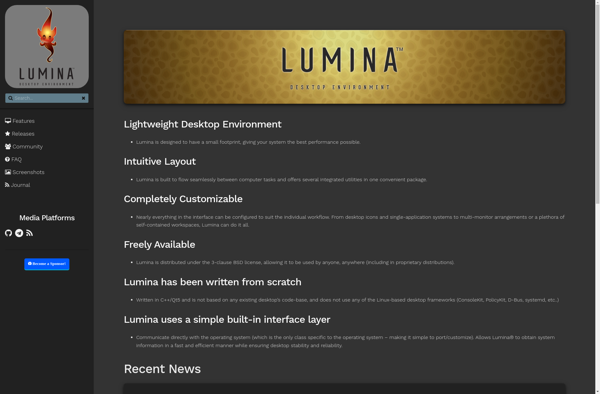
Some key features and goals of Lumina include:
Minimal resource usage - Lumina is designed to consume fewer system resources than mainstream desktops like GNOME, KDE, Xfce while still providing a productive, functional experience.
Lightweight - the entire OS takes less than 500MB of space and uses about 70 to 90 MB RAM with no applications open.
Highly customizable - Lumina supports extensive theming and customization options for an individualized experience.
Intuitive workflow - Lumina offers many productivity features but emphasizes simplicity and efficiency.
Native filesystem support - With built-in support for ZFS file systems in FreeBSD, Lumina provides a streamlined experience for UNIX-like operating systems.
Lumina is primarily developed by iXsystems as a desktop environment well-suited for FreeBSD-based systems like TrueOS and FreeNAS, but it runs on Linux and other UNIX platforms as well. Its modular, plugin-based architecture allows extensive flexibility in customizing Lumina for different uses and preferences.
Lumina Desktop Environment Features
Features
Lightweight desktop environment
Uses Openbox window manager
Plugin-based modular architecture
Supports multiple desktop widgets
File manager with basic features
Customizable panel and menu
Basic set of desktop applications
Pricing
Open Source
Free
Pros
Very lightweight and fast
Low resource usage
Highly customizable
Modular and extensible
Open source with active development
Cons
Limited default applications
Less features than full desktops like KDE or GNOME
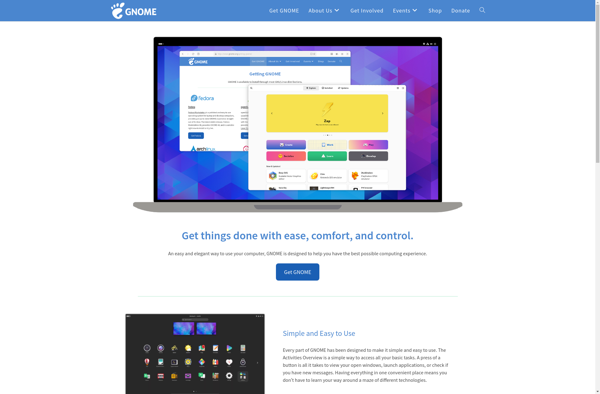
GNOME (pronounced Guh-NOHM) is a highly intuitive and user-friendly desktop environment and graphical user interface that runs on top of a computer's operating system. It is designed to be easy to use, accessible, customizable, and free as in freedom.GNOME includes a set of default applications for common tasks like browsing...
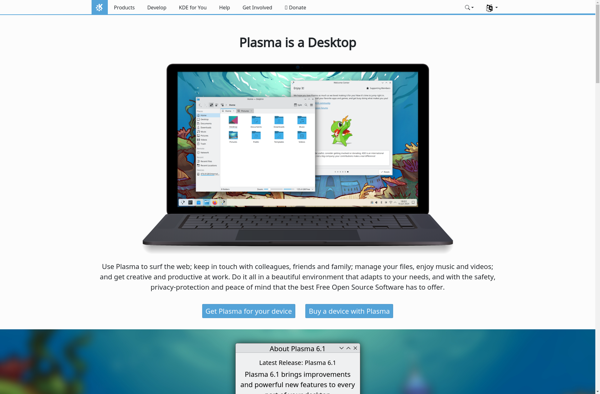
KDE Plasma is a free and open-source desktop environment for Linux and other Unix-like operating systems. It is highly customizable and features a graphical user interface designed for productivity and ease-of-use.Some key features of KDE Plasma include:Customizable interface - Users can rearrange panels, add widgets, change themes, icons, fonts, colors,...
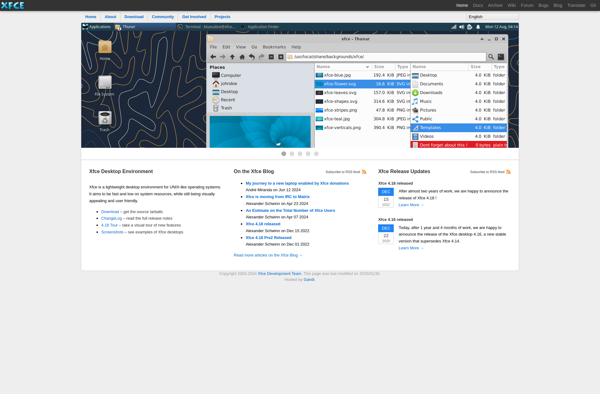
Xfce is a lightweight desktop environment for Linux and other UNIX-like operating systems. It aims to be fast and lightweight, while still being visually appealing and easy to use. Some key features and characteristics of Xfce include:Designed for speed and low resource usage - makes it a popular choice for...
Openbox is a stacking window manager for the X Window System, derived from Blackbox 0.65.1. It is written in C and licensed under the GNU General Public License.Here are some key features of Openbox:Highly configurable - Openbox allows extensive customization of window decorations, menus, keybindings and more through XML configuration...
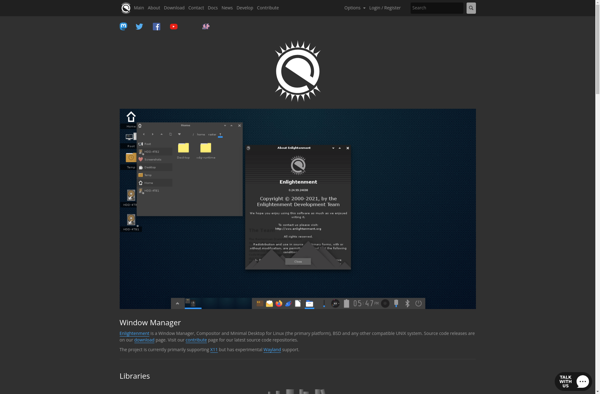
Enlightenment, also known simply as E, is an open source desktop environment and window manager project aimed at providing Linux and BSD users with a lightweight yet visually appealing graphical user interface. Some key highlights of Enlightenment include:Very lightweight and fast, ideal for older hardware or resource constrained environmentsHighly themeable...
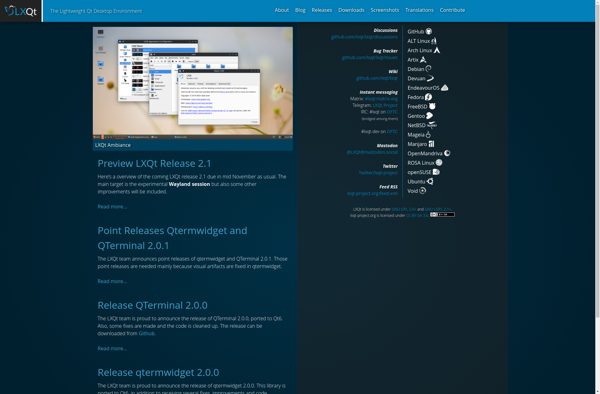
LXQt is a lightweight desktop environment for Linux and UNIX-like operating systems. It is designed to be highly modular and customizable while using relatively few system resources.Some key features of LXQt:Uses the Qt framework for its graphical user interface, allowing integration with Qt appsVery lightweight - ideal for older hardware...
LXDE (Lightweight X11 Desktop Environment) is an open source desktop environment for Linux and other Unix-like operating systems. It is designed to be lightweight, modular, and resource-friendly, making it a good choice for older or less powerful hardware.Some key features and characteristics of LXDE:Very low memory and CPU usage compared...
Cinnamon is a free and open-source desktop environment designed for the Linux operating system. Developed as part of the Mint Linux distribution, Cinnamon aims to provide an elegant and intuitive user experience.Some key features of Cinnamon include:Familiar graphical desktop metaphor interface, making it easy for users coming from Windows or...
Razor-qt is a lightweight, fast, and user-friendly desktop environment for Linux and BSD operating systems. It uses Openbox as the window manager and has a clean and intuitive interface.Some key features of Razor-qt include:Very low memory and CPU usage, making it suitable for older hardwareCustomizable themes and layouts using OpenboxIntuitive...