Unity Desktop Environment is a graphical desktop environment designed for Linux systems. It was originally developed by Canonical for Ubuntu and focuses on usability and consistency through simple interface design and a cohesive user experience.
Unity Desktop Environment: A Graphical Linux Desktop for Easy User Experience
A graphical desktop environment designed for Linux systems, Unity provides simplicity and consistency through its user-friendly interface and cohesive experience.
What is Unity Desktop Environment?
Unity Desktop Environment is a graphical desktop environment that was originally developed by Canonical Ltd. for the Ubuntu Linux operating system. First released in 2010, Unity aimed to provide an intuitive and elegant desktop experience for Ubuntu users.
Some key features and goals of the Unity desktop include:
Simplified user interface - Unity has a streamlined interface designed to eliminate unnecessary clutter and allow users to focus on their work.
Keyboard and touch friendliness - The interface and shortcuts are optimized for efficient use via keyboard or touchscreen.
Universal menu bar - The top bar provides access to applications, files, and system settings from any window.
Launcher bar - Easy access and switching between common applications is provided by the launcher bar on the left.
Integrated search - Search functions are built into the dash to quickly find apps, files or system tools.
Visual consistency - Icons, menus and components have a cohesive look and interaction method to provide a smooth workflow.
Overall, the Unity desktop provides a modern, intuitive environment focused on usability. It was the default interface for Ubuntu from 2011 to 2017. Though Canonical has discontinued its development, the Unity desktop continues to have an active open source community around it.
Unity Desktop Environment Features
Features
Desktop workspace and window management
Application launcher
Desktop search functionality
Integrated desktop effects
Customizable desktop look and feel
Built-in media players
Integrated chat and messaging apps
Pricing
Free
Open Source
Pros
Intuitive and easy to use interface
Very customizable and themeable
Lightweight and fast
Good integration between desktop components
Supports keyboard shortcuts and hot corners
Good for beginners switching from Windows
Cons
Limited configuration options compared to other DEs
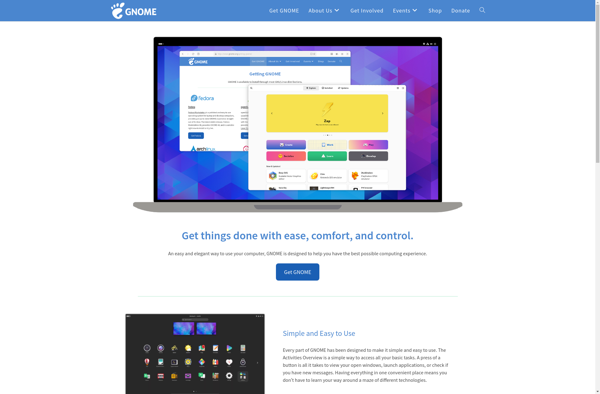
GNOME (pronounced Guh-NOHM) is a highly intuitive and user-friendly desktop environment and graphical user interface that runs on top of a computer's operating system. It is designed to be easy to use, accessible, customizable, and free as in freedom.GNOME includes a set of default applications for common tasks like browsing...
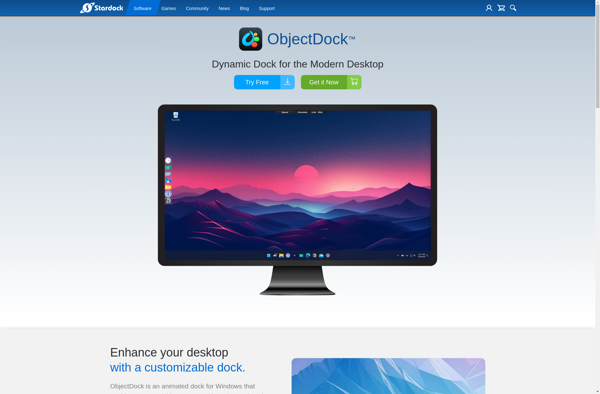
ObjectDock is a customizable taskbar replacement and application launcher for Windows. It allows you to enhance and customize the Windows taskbar with additional functionality, shortcuts, and plugins.Some key features of ObjectDock include:Add shortcuts, icons, plugins to give quick access to files, folders, appsStack and group icons for a clean lookSupports...
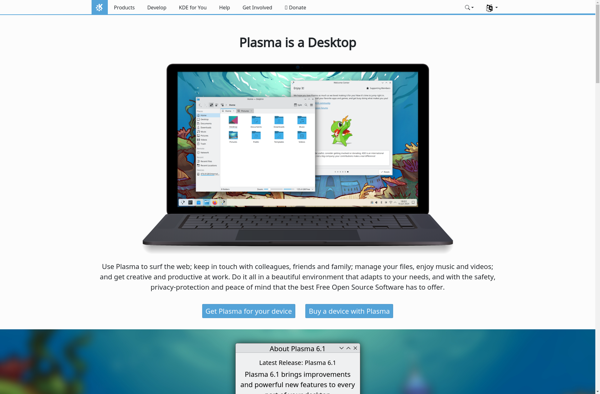
KDE Plasma is a free and open-source desktop environment for Linux and other Unix-like operating systems. It is highly customizable and features a graphical user interface designed for productivity and ease-of-use.Some key features of KDE Plasma include:Customizable interface - Users can rearrange panels, add widgets, change themes, icons, fonts, colors,...
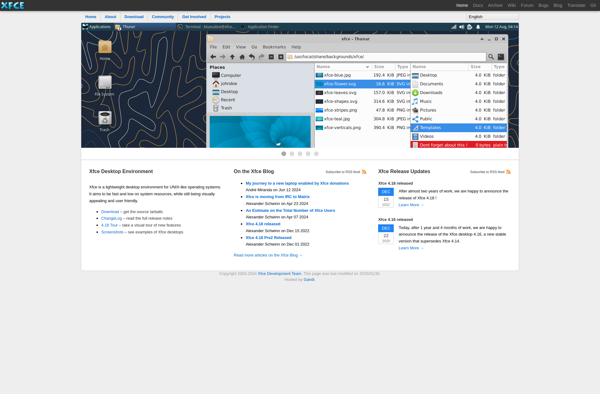
Xfce is a lightweight desktop environment for Linux and other UNIX-like operating systems. It aims to be fast and lightweight, while still being visually appealing and easy to use. Some key features and characteristics of Xfce include:Designed for speed and low resource usage - makes it a popular choice for...
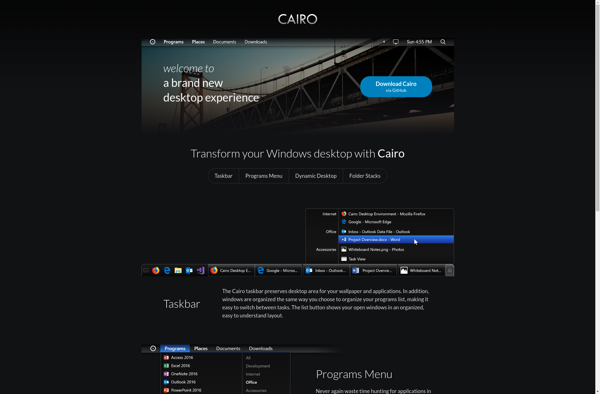
Cairo Shell is a desktop graphical shell designed for Linux operating systems. It aims to provide an intuitive yet powerful user interface for managing applications and files.Some key features of Cairo Shell include:A simple, clean interface with smooth scrolling animations and transparency effectsHighly customizable desktop with support for desktop widgets...
Docky is an open source application dock and taskbar replacement for Linux desktop environments such as GNOME. It provides quick and convenient access to running and frequently used applications on the Linux desktop.Some of the key features of Docky include:Application docklets that users can drag onto the dock to launch...
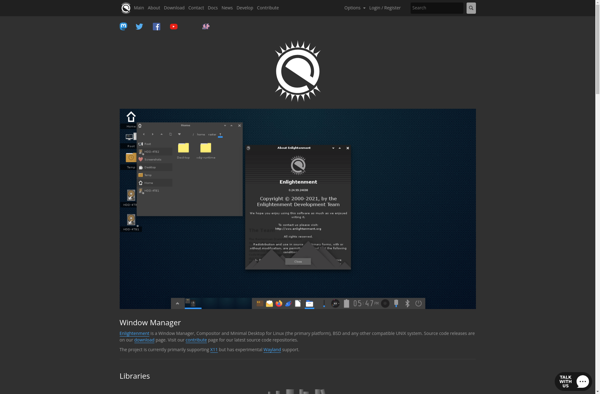
Enlightenment, also known simply as E, is an open source desktop environment and window manager project aimed at providing Linux and BSD users with a lightweight yet visually appealing graphical user interface. Some key highlights of Enlightenment include:Very lightweight and fast, ideal for older hardware or resource constrained environmentsHighly themeable...
LXQt is a lightweight desktop environment for Linux and UNIX-like operating systems. It is designed to be highly modular and customizable while using relatively few system resources.Some key features of LXQt:Uses the Qt framework for its graphical user interface, allowing integration with Qt appsVery lightweight - ideal for older hardware...
LXDE (Lightweight X11 Desktop Environment) is an open source desktop environment for Linux and other Unix-like operating systems. It is designed to be lightweight, modular, and resource-friendly, making it a good choice for older or less powerful hardware.Some key features and characteristics of LXDE:Very low memory and CPU usage compared...
Cinnamon is a free and open-source desktop environment designed for the Linux operating system. Developed as part of the Mint Linux distribution, Cinnamon aims to provide an elegant and intuitive user experience.Some key features of Cinnamon include:Familiar graphical desktop metaphor interface, making it easy for users coming from Windows or...