Storageroom is a lightweight, open-source file management software designed for easy file access, sharing, backup and synchronization. It allows users to manage files across multiple devices from a centralized interface.
A free and open-source file management software for easy access, sharing, backup, and synchronization of files across multiple devices from a centralized interface.
What is Storageroom?
Storageroom is an open-source, self-hosted file management solution that enables users to easily store, organize, share and back up their files. It provides a simple yet powerful web-based interface for accessing files across multiple devices and locations.
Some key features of Storageroom include:
File management - Browse, search, upload, download, preview files. Organize with folders and tags.
File sharing and collaboration - Securely share files and folders with others, allowing collaboration across teams.
File versioning - Track changes and restore previous versions of files.
Mobile access - Access and manage your files on the go using the mobile apps.
File backup & sync - Automated backups to ensure data protection and redundancy. Sync files across devices.
Security - Role based access control, SSL encrypted connections and other security features to keep your files safe.
Open source - Developed by a community of developers and users. Customizable and integratable.
Lightweight and fast - Optimized to run fast even with large datasets.
With an intuitive interface, robust file management capabilities and focus on ease of use, Storageroom serves as a great option for self-hosted file sharing and synchronization for home users, businesses and teams.
Storageroom Features
Features
Centralized file management
Cross-device file access and sharing
Backup and synchronization
Lightweight and open-source
User-friendly interface
Pricing
Open Source
Pros
Easy to set up and use
Secure file storage and sharing
Supports multiple devices and platforms
Customizable and scalable
No recurring subscription fees
Cons
Limited advanced features compared to enterprise-grade solutions
Requires technical knowledge for self-hosting
May not have the same level of support as commercial products
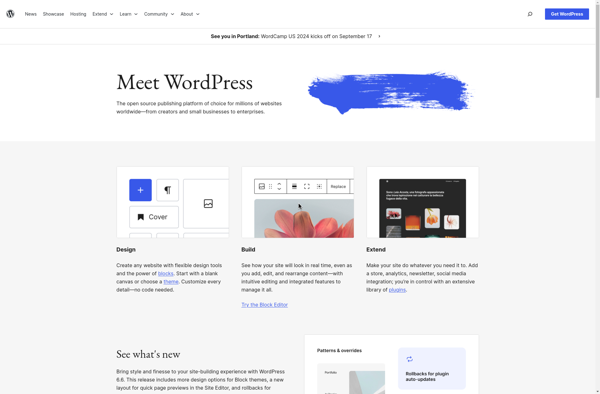
What Is WordPress?WordPress is the world's most popular content management system, powering over 40 percent of all websites on the internet. Originally created as a blogging platform in 2003, it has evolved into a full website builder and application framework used for everything from personal blogs to enterprise websites and...
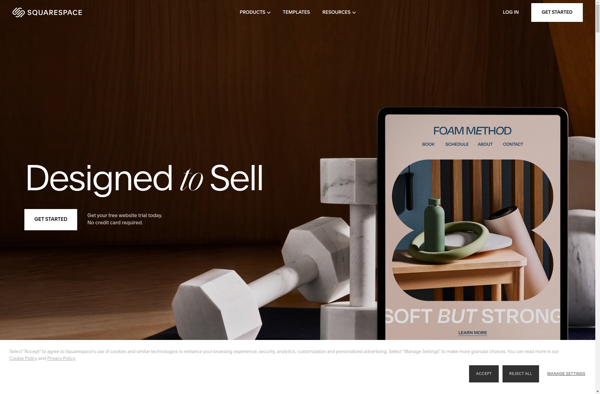
What Is Squarespace?Squarespace is a website builder and hosting platform known for its design-forward templates and all-in-one approach. It provides everything needed to build and run a website — hosting, domains, templates, e-commerce, email marketing, and analytics — without requiring any coding.Key FeaturesSquarespace offers over 100 professionally designed templates that...
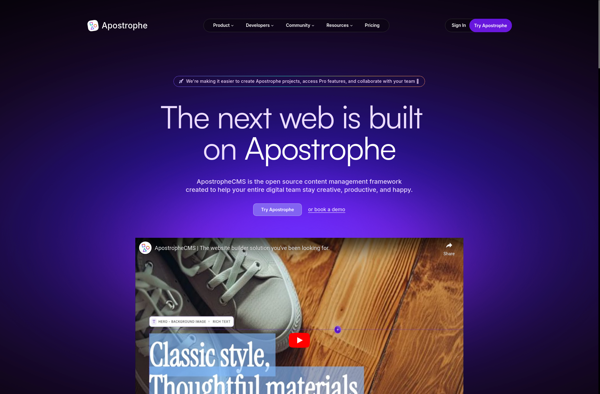
Apostrophe CMS is an open-source content management system based on Node.js and MongoDB. It provides an intuitive content editing experience, enterprise-grade scalability, and extensive front-end flexibility.Some key features of Apostrophe CMS include:In-context editing with widgets to build pages and arrange contentPowerful content types, pages, and pieces to model any type...
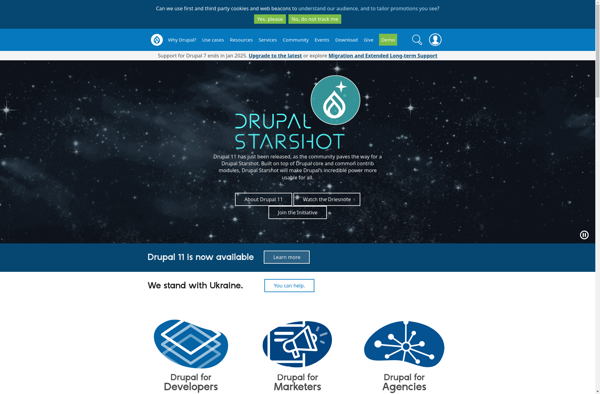
Drupal is a free and open-source content management system (CMS) written in PHP. It allows users to easily create, manage, and publish content on websites. Some of the key features of Drupal include:Intuitive interface and workflow allows content editors to quickly create, review, edit, publish, and archive webpages with no...
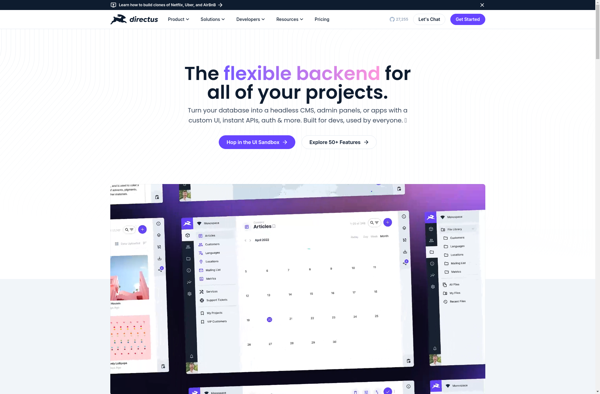
Directus is an open-source headless content management system and API for managing SQL databases. It features:An intuitive admin app interface allowing non-technical users to manage content, users, permissions, flows, and more without codingA GraphQL and REST API for accessing and modifying dataSupport for PostgreSQL, MySQL, SQL Server, SQLite, and Oracle...
Joomla is an open source content management system (CMS) for building powerful websites and online applications. First released in 2005, Joomla is now one of the most popular CMS platforms with over 30 million downloads worldwide.Joomla has a wide range of features that make it an attractive platform for all...
DEV Community is a free and open source software development community platform launched in 2019. It allows software developers and programmers to publish technical articles, take part in discussions, ask questions, and generally connect with other developers.Some key features of DEV Community include:Article publishing - Developers can publish articles on...
Pixpa is a user-friendly website builder and content management system designed specifically for creative professionals like photographers, graphic designers and illustrators. It makes it easy to showcase work online, write blog posts to share ideas, and even sell photographs, illustrations, digital downloads and other creative products right from your portfolio...
TYPO3 is a free and open source content management system and web framework written in PHP. It was first released in 1997 and has since become one of the most widely used CMS solutions, especially for building complex, corporate websites.Some key features and capabilities of TYPO3 include:Flexible content structure based...
django CMS is an open source content management system based on the Python Django web framework. It was originally created in 2009 by Patrick Lauber and has since grown into a popular CMS with a vibrant open source community.Some key features and benefits of django CMS include:Intuitive interface and workflows...
GetSimple CMS is an open source content management system written in PHP. It is designed to be lightweight, simple to use, and very fast and efficient. Some key features of GetSimple CMS include:Very easy installation and setup - can usually be installed in under 5 minutesIntuitive and clean interface for...