Ubuntu Phone is a mobile operating system developed by Canonical Ltd. and the Ubuntu community. It is designed for smartphones and tablet computers and is open-source. Key features include integration with Ubuntu desktop OS, scopes for content aggregation, and convergence across
Ubuntu Phone: Mobile Operating System for Smartphones & Tablets
Ubuntu Phone is a mobile operating system developed by Canonical Ltd. and the Ubuntu community. It is designed for smartphones and tablet computers and is open-source. Key features include integration with Ubuntu desktop OS, scopes for content aggregation, and convergence across different device form factors.
What is Ubuntu Phone?
Ubuntu Phone is a Linux-based, open source mobile operating system developed by Canonical Ltd. in partnership with the Ubuntu community. It shares the same codebase and foundation as the Ubuntu desktop operating system, allowing seamless convergence across smartphones, tablets, and laptop/desktop computers.
Some key features and capabilities of Ubuntu Phone include:
Unity 8 interface optimized for mobile devices, with scopes to aggregate online content and apps and enable secure multi-tasking
Ability to dock smartphone into a monitor or desktop shell and use it as a full Ubuntu PC
Full Linux environment capable of running desktop apps in a windowed mode
Secure application lifecycle with apps confined through AppArmor for safety
Tight integration with Ubuntu One cloud services for messaging, storage, syncing
Developer-friendly with support for HTML5, Qt 5, and Scopes APIs for third party app creators
While adoption has been limited, Ubuntu Phone aims to provide a convergence-focused alternative mobile OS to Android and iOS for Linux and open source enthusiasts. Its vision is a unified cross-device experience with the freedom and customization of Ubuntu.
Ubuntu Phone Features
Features
Unity 8 touch interface optimized for mobile
Full Linux environment allowing access to vast array of tools and applications
Scopes provide easy access to online content and services
Convergence across desktop, mobile and embedded environments
Strong focus on privacy and security
Pricing
Free
Open Source
Pros
Very customizable and open ecosystem
Seamless integration with Ubuntu desktop environment
Scopes offer unified access to apps, media and web content
Convergence enables single OS across devices
Greater user control over privacy and security
Cons
Limited app ecosystem compared to Android/iOS
Discontinued in 2017 so no ongoing development
Convergence required developer support which was lacking
Android is a mobile operating system developed by Google. It is based on a modified version of the Linux kernel and other open source software. Android is designed primarily for touchscreen mobile devices such as smartphones and tablets.Some key things to know about Android:It was first launched in 2008 along...
Ubuntu Touch is a Linux-based, open source mobile operating system developed by Canonical and the Ubuntu community. It is designed primarily for touchscreen mobile devices such as smartphones and tablets.Some key features and highlights of Ubuntu Touch include:Beautiful, intuitive touch interface designed for efficiency and ease of useFull Linux environment...
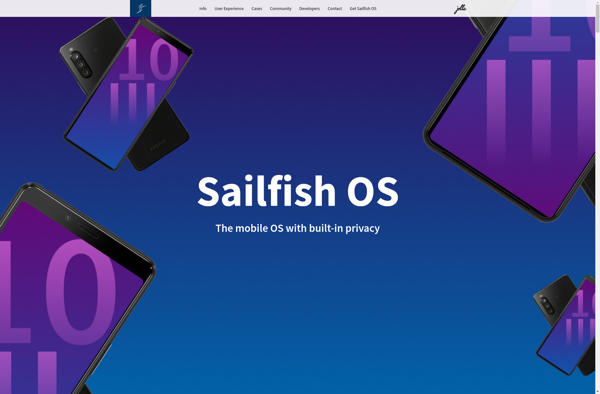
Sailfish OS is a mobile operating system developed by the Finnish company Jolla. It is based on open source Linux components and focuses on providing a secure, privacy-oriented user experience with high customizability.Some key features of Sailfish OS include:Security and privacy focus - Provides control over app permissions, encrypts user...
Astian OS is a Linux distribution originally forked from Arch Linux in 2021. It aims to provide a polished and user-friendly desktop environment while retaining Arch's lightweight foundation and philosophy of minimalism and customizability.Some key features and goals of Astian OS include: An intuitive graphical installer for easy system setupDesktop...
Tizen is an open source operating system developed by the Linux Foundation and supported by companies like Samsung and Intel. It is based on Linux and designed to power a wide range of devices including smartphones, tablets, smart TVs, wearables, and other Internet of Things (IoT) gadgets.Some key features and...
B2G OS (Boot to Gecko) is an open source mobile operating system developed by Mozilla. It is based on Linux and uses Gecko, the rendering engine that powers the Firefox web browser, to run smartphone applications, including the user interface. B2G OS aims to provide an open alternative to proprietary...
OxygenOS is a customized version of the Android mobile operating system, developed by Chinese smartphone manufacturer OnePlus for its flagship smartphones including the OnePlus 3, OnePlus 3T, OnePlus 5, OnePlus 6 and OnePlus 7 series.It aims to provide an enhanced user experience compared to stock Android, with a focus on...
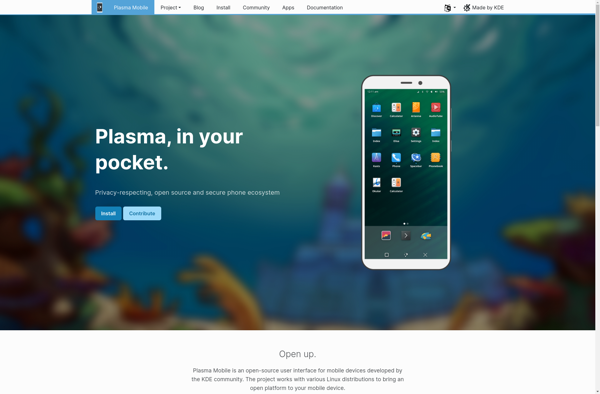
Plasma Mobile is a free, open source mobile operating system built on a Qt and KDE software stack. It is designed to provide a customizable, privacy-respecting mobile experience with a focus on freedom and community-driven development.Some key features and highlights of Plasma Mobile include:Graphical user interface optimized for touchscreens and...
webOS Open Source Edition is an open source mobile operating system initially developed by Palm and later owned by HP. It was initially designed for smartphones and tablet computers and allows developers to build web-based applications using standard web technologies such as HTML5, JavaScript, and CSS.Some key features of webOS...
Fairphone Open is an open source, privacy-focused mobile operating system developed specifically for Fairphone devices. It is based on Android Open Source Project (AOSP) and aims to provide greater transparency, security, and longevity compared to standard Android.Key features of Fairphone Open include:Increased software update support - Fairphone Open guarantees 3...
QtMoko is a Linux-based open source platform distribution designed specifically for mobile phones and other mobile devices. It utilizes the Qt cross-platform application framework and development tools originally created by Trolltech (now part of Digia).The goal of the QtMoko project is to provide a touchscreen-friendly and intuitive user interface and...