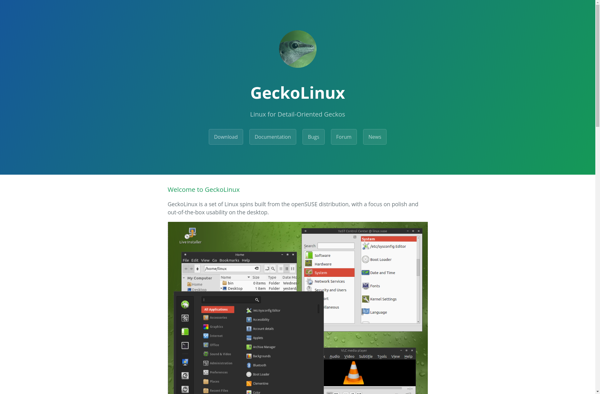
GeckoLinux is a Linux distribution based on openSUSE or other major distributions, with a focus on flexibility, ease of use, and customization. It comes preconfigured for desktop, gaming, multimedia, and other common use cases.
A flexible and customizable Linux distribution based on openSUSE or other major distributions, for desktop, gaming, multimedia, and common use cases.
What is GeckoLinux?
GeckoLinux is a Linux distribution built on top of openSUSE or other major distros like Ubuntu, Fedora, or Arch Linux. It aims to provide a user-friendly desktop experience with thoughtful defaults and easy customization.
Some key features of GeckoLinux include:
Preconfigured editions for different needs like desktop, gaming, multimedia, etc.
Graphical installers for easy setup
Support for multiple desktop environments like KDE, Xfce, etc. that can be switched at login
Built-in management tools for snapshots, software updates, drivers, etc.
Access to both stable software and latest releases via distribution repositories
Advanced security features like AppArmor and firewall
GeckoLinux focuses on balancing cutting-edge software components with stability and reliability. The goal is to provide a comfortable environment for most Linux use cases without sacrificing customization options for power users.
It comes with friendly community support including forums and documentation to help transition new users into the Linux world.
GeckoLinux Features
Features
Based on openSUSE or other major distributions
Preconfigured for desktop, gaming, multimedia, and other common use cases
Easy to install and use
Extensive customization options
Rolling release model with frequent updates
Supports major desktop environments like KDE, GNOME, Xfce
Good hardware compatibility and driver support
Pricing
Free
Open Source
Pros
Very flexible and customizable
Excellent hardware support
User-friendly for beginners
Great for gaming and multimedia
Rolling release model provides latest software
Active community support
Cons
Less stable than fixed release distros
Requires some Linux knowledge for advanced customization
Not as lightweight as more minimal distros
Less beginner-focused documentation than Ubuntu/Mint
Ubuntu is one of the most popular Linux distributions available today. It is based on Debian and completely free and open source. Some key points about Ubuntu:It has an easy to use and intuitive interface, making it great for Linux beginners.It has a wide variety of official flavors featuring different...
antiX is a lightweight Linux distribution based on Debian GNU/Linux. It aims to provide a fully functional yet lightweight operating system that can run efficiently on older hardware.Some key features of antiX include:Uses the IceWM window manager for speed and low resource usageIncludes useful applications like Firefox ESR web browser,...
Manjaro Linux is an open source, independently developed GNU/Linux distribution based on Arch Linux. It aims to provide an accessible entry point for new Linux users, while maintaining the DIY spirit and technical simplicity that Arch Linux is known for.Some key features of Manjaro Linux include:User-friendly graphical installers for quick...
openSUSE is a versatile Linux distribution that can be used on desktops, laptops, and servers. It focuses on being easy to use, having up-to-date software packages, and providing flexibility for different types of users.Some key features and information about openSUSE:Sponsored by SUSE Linux and other companies, but community-developedRegular release cycle...
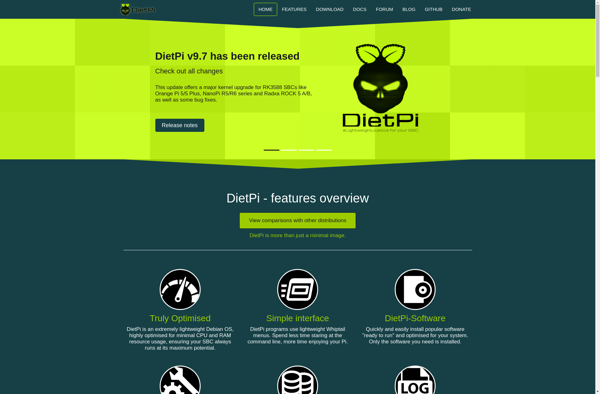
DietPi is a Debian-based Linux distribution optimized specifically for single-board computers like the Raspberry Pi. It focuses on being lightweight and having a small resource footprint, making it well-suited for low-powered devices.Some key features of DietPi include:Lightweight system: Uses optimized software packages and settings to reduce RAM and CPU usage....
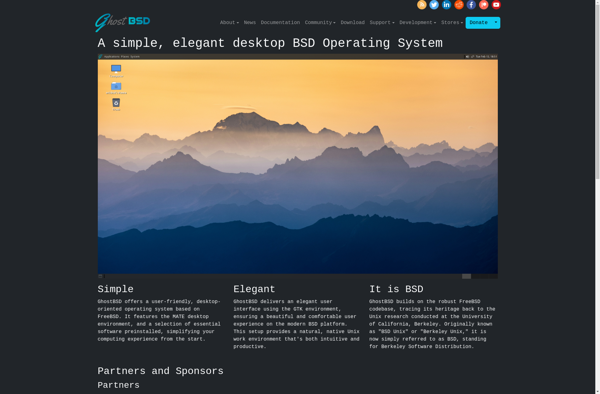
GhostBSD is a BSD-based operating system that aims to provide a user-friendly desktop operating system experience built on top of FreeBSD. It comes preinstalled with the lightweight MATE desktop environment which provides a traditional desktop layout for productivity.GhostBSD makes it easy for Linux users to try out the BSD operating...
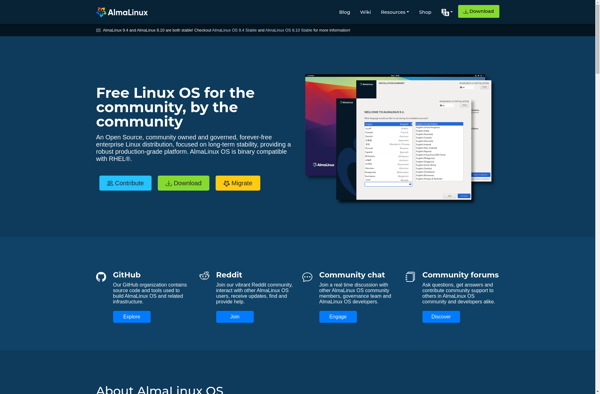
AlmaLinux is a 1:1 binary compatible fork of RHEL, sponsored by CloudLinux. It was created in response to Red Hat's decision to discontinue the CentOS platform that many businesses relied on. AlmaLinux aims to fill the gap left by CentOS and serve as a free, community-driven alternative to RHEL.Some key...
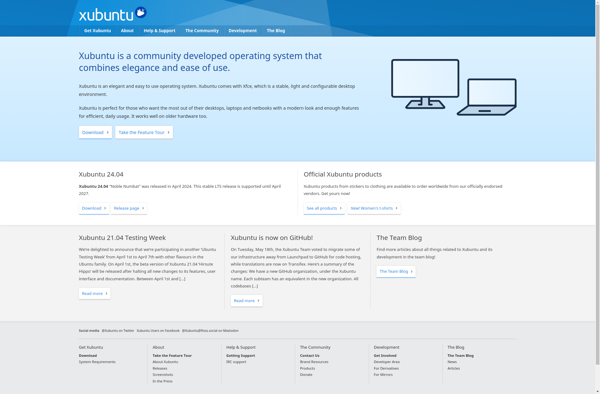
Xubuntu is an official community edition of the Ubuntu operating system that comes with the Xfce desktop environment preinstalled instead of Ubuntu's default GNOME desktop. Xubuntu uses the same software repositories as Ubuntu, so it is just as easy to use and provides a similar user experience, but it is...
Mageia is a free and open-source Linux distribution that has its roots in the Mandriva Linux (formerly known as Mandrake Linux) project. After Mandriva S.A, a French company, went bankrupt in 2011, many of the core Mandriva developers decided to fork the distro to create Mageia, which would be community-driven...
Nitrux OS is a Linux distribution developed by Uri Herrera that is based on Ubuntu. It features a unique desktop environment called Nomad Desktop that is designed to provide an intuitive and aesthetically pleasing user experience.Some key features of Nitrux OS include:Nomad Desktop Environment - Custom desktop focused on usability,...