Mobian is a Debian-based operating system for mobile devices that focuses on privacy, security, and flexibility. It supports various smartphones and aims to provide a free, open source alternative mobile OS.
Free, open-source mobile OS with focus on security, privacy and flexibility, compatible with various smartphones
What is Mobian?
Mobian is a Debian-based open source operating system designed specifically for smartphones and mobile devices. It focuses on providing enhanced privacy, security, and flexibility compared to traditional mobile operating systems.
Some key features of Mobian include:
Strong encryption and app sandboxing for improved security
Support for installing regular Linux apps, not just mobile apps
Ability to use different desktop environments like KDE Plasma Mobile
Increased control over data privacy and cellular modem firmware
Compatibility with devices that support Linux including selected Xiaomi, Google, Samsung, Sony, and LG phones
The goal of Mobian is to create a viable free and open source software mobile platform that respects user freedom and privacy. It is developed by a community of contributors and allows customization that isn't possible with mainstream mobile operating systems like iOS or Android.
With its focus on security and privacy as well as flexibility, Mobian aims to provide an alternative OS for those wanting more control and customization on their mobile device.
Mobian Features
Features
Based on Debian GNU/Linux
Supports various smartphones like the PinePhone and Librem 5
Android is a mobile operating system developed by Google. It is based on a modified version of the Linux kernel and other open source software. Android is designed primarily for touchscreen mobile devices such as smartphones and tablets.Some key things to know about Android:It was first launched in 2008 along...
Android-x86 is an open source project that ports the Android operating system to run on devices with x86 processors, allowing Android to be installed on regular PCs and laptops. It provides key functionality for supporting standard hardware like USB ports, networking, storage, graphics, touchscreens, and more.By porting Android to the...
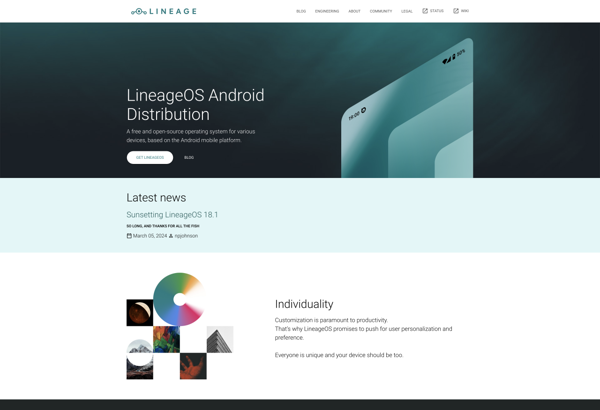
LineageOS is a free and open-source operating system for smartphones and tablet computers, based on the Android mobile platform. It is the successor to the highly popular custom ROM CyanogenMod.LineageOS offers an enhanced user experience compared to stock Android, with custom features and increased performance. Some key features include customizable...
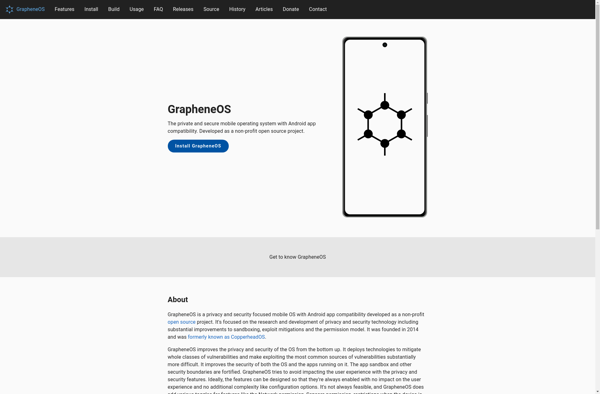
GrapheneOS is an open source operating system for mobile devices that is focused on privacy and security. It is based on Android and maintains compatibility with most Android apps from the Play Store.Some key features of GrapheneOS include:Hardened device security through frequent updates, security-focused default settings, and proactive exploit mitigationEnhanced...
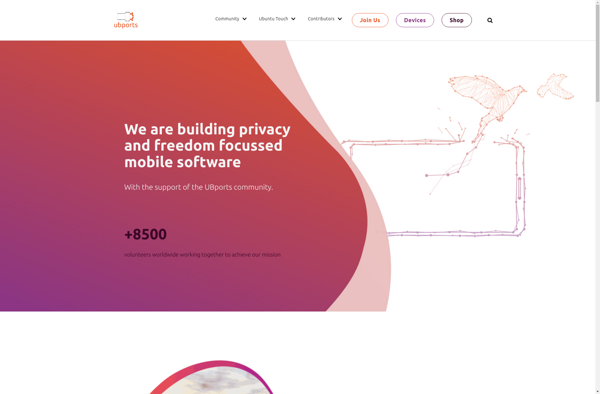
Ubuntu Touch is a Linux-based, open source mobile operating system developed by Canonical and the Ubuntu community. It is designed primarily for touchscreen mobile devices such as smartphones and tablets.Some key features and highlights of Ubuntu Touch include:Beautiful, intuitive touch interface designed for efficiency and ease of useFull Linux environment...
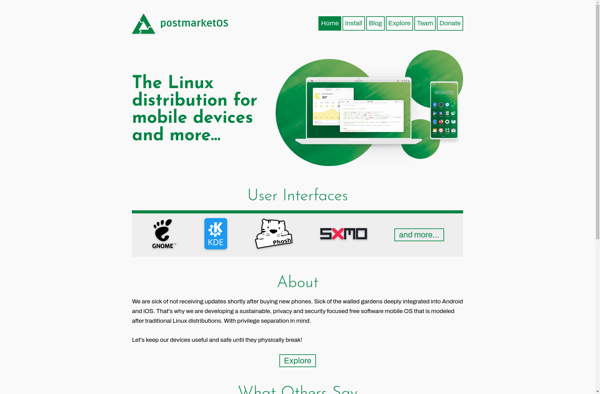
postmarketOS is a touch-optimized, pre-configured Linux distribution aimed at bringing newer Linux versions to older Android devices such as smartphones and tablets. It allows users to extend the lifetime of their devices by enabling them to use more recent applications.The goal of the project is to make it possible to...
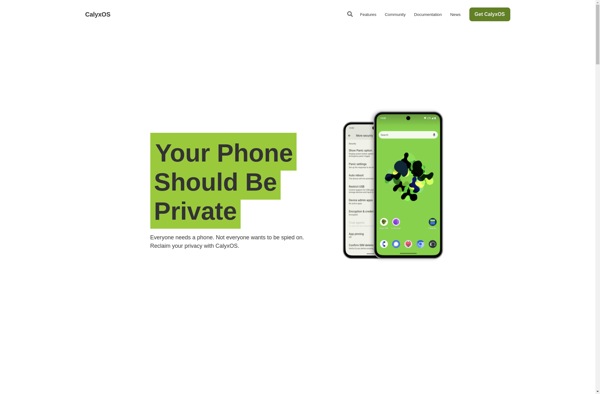
CalyxOS is an open source privacy-focused mobile operating system based on Android. It is developed by the Calyx Institute, a non-profit organization dedicated to creating privacy-respecting technologies.Some key features of CalyxOS that set it apart from standard Android include:Removing proprietary apps and services like Google Play Services that can track...
/e/ is a privacy-focused mobile operating system based on LineageOS that aims to provide an Android alternative without Google services or proprietary apps and software. Instead, /e/ relies on free and open-source software and offers its own suite of applications to replace common Google ones.Some key features of /e/ include:No...
DivestOS is a Linux distribution focused on privacy, security, and removing corporate influence. It is based on Debian and aims to provide a complete out-of-the-box privacy-respecting system.Some of the main features of DivestOS include:No proprietary software or drivers includedTor and VPN clients pre-installed for anonymous internet accessHardened kernel with security...
KaiOS is a lightweight mobile operating system developed by KaiOS Technologies Inc. It is based on Linux and is designed primarily for feature phones and low-end smartphones with limited memory and processing power.Some key aspects of KaiOS include:Uses a Firefox-based web browser as its primary interface, enabling HTML5 apps.Provides support...
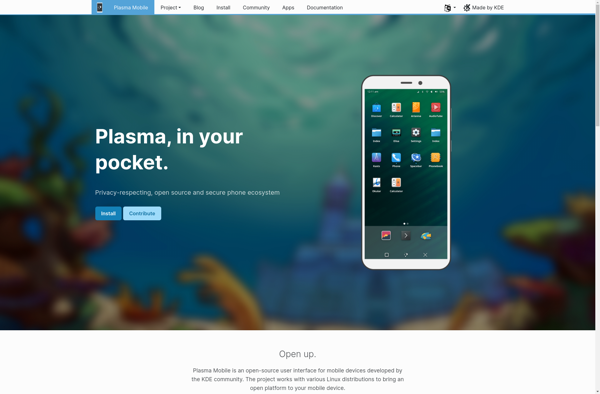
Plasma Mobile is a free, open source mobile operating system built on a Qt and KDE software stack. It is designed to provide a customizable, privacy-respecting mobile experience with a focus on freedom and community-driven development.Some key features and highlights of Plasma Mobile include:Graphical user interface optimized for touchscreens and...
Replicant is a free and open source operating system that is based on LineageOS and aims to replace all proprietary Android components with free software alternatives. Some key points about Replicant:It is designed to increase privacy, security, and user control over data compared to stock AndroidIt supports several smartphones and...
LineageOS for microG is a custom, open source Android operating system based on LineageOS, which itself is a continuation of the CyanogenMod project. It focuses on providing enhanced privacy and security compared to stock Android.Like regular LineageOS, LineageOS for microG offers a bloatware-free experience and more customization options. However, it...