Tanglu is a Linux distribution based on Debian that aims to provide a fully free operating system focused on ease of use. It uses KDE as the default desktop environment and provides easy-to-use tools for system setup.
Linux distribution based on Debian, focused on ease of use and offering a fully free operating system with KDE as the default desktop environment.
What is Tanglu?
Tanglu is a Linux distribution based on Debian that aims to provide a fully free operating system focused on ease of use. It initially launched in 2013 with the goal of being an open, community-oriented alternative to Ubuntu that treated users, contributors, and developers equally.
At its core, Tanglu uses the package base from the Debian Testing branch, but incorporates newer versions of certain software like the Linux kernel and KDE Plasma Desktop. This makes it more up-to-date than Debian, while still benefitting from the large amount of available Debian packages and overall system stability.
Some key features of Tanglu include:
Uses the Calamares system installer for an easy and straightforward installation process
Ships with KDE Plasma Desktop as the default graphical interface, providing an attractive and user-friendly desktop environment
Supports both 32-bit and 64-bit processor architectures
Offers five different editions with different pre-configured desktop environments like KDE, Xfce, and MATE
Follows a rolling release model where packages are continually updated and system upgrades are easy with no major point releases
Adheres to a 100% free software policy, omitting proprietary firmware and drivers that are present in many other distros
In summary, Tanglu aims to strike a balance between being a free software advocate, focusing on usability for new Linux users, and serving as an easy-to-use alternative distro compared to Debian.
Tanglu Features
Features
Based on Debian GNU/Linux
Uses KDE Plasma desktop environment by default
Aims to provide a fully free operating system
Focused on ease of use
Provides easy-to-use system setup tools
Pricing
Open Source
Pros
Stable and reliable Debian base
User-friendly KDE desktop environment
Strong focus on software freedom
Designed for simplicity and ease of use
Active and helpful user community
Cons
Limited hardware support compared to major distros
Smaller collection of pre-installed software
Less frequent release cycle than other distros
Relatively new project with smaller developer community
Raspberry Pi OS, previously called Raspbian, is the official operating system for Raspberry Pi. It is based on Debian Linux and optimized for Raspberry Pi's ARM processors. Raspberry Pi OS comes with a desktop environment and suite of applications for education, programming, productivity and more.Some key features of Raspberry Pi...
Google Chrome OS is a Linux-based operating system developed by Google that is designed to work exclusively with web applications rather than traditional desktop programs. It was first released in 2011.Some key features of Chrome OS:Lightweight and fast - Chrome OS is optimized for web browsing and runs web apps...
antiX is a lightweight Linux distribution based on Debian GNU/Linux. It aims to provide a fully functional yet lightweight operating system that can run efficiently on older hardware.Some key features of antiX include:Uses the IceWM window manager for speed and low resource usageIncludes useful applications like Firefox ESR web browser,...
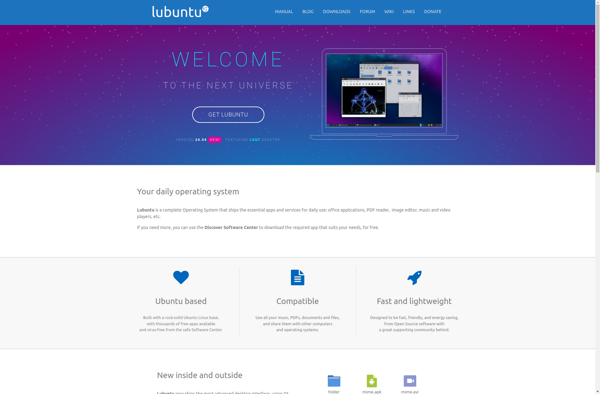
Lubuntu is a Linux distribution based on Ubuntu that uses the lightweight LXDE desktop environment. Some key facts about Lubuntu:It has lower system requirements than standard Ubuntu, making it a good choice for older computers or hardware with limited resources.Uses the LXDE desktop environment which is lightweight, fast, and energy-efficient.Includes...
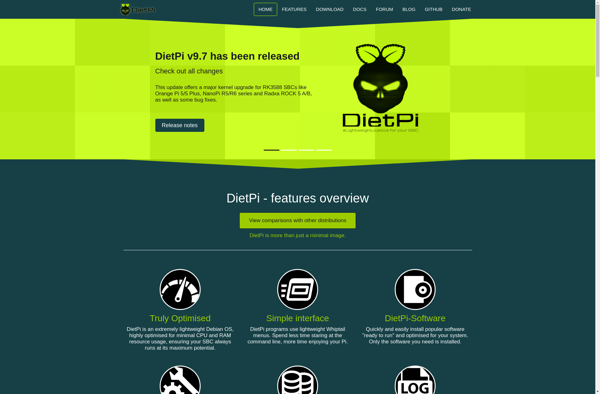
DietPi is a Debian-based Linux distribution optimized specifically for single-board computers like the Raspberry Pi. It focuses on being lightweight and having a small resource footprint, making it well-suited for low-powered devices.Some key features of DietPi include:Lightweight system: Uses optimized software packages and settings to reduce RAM and CPU usage....
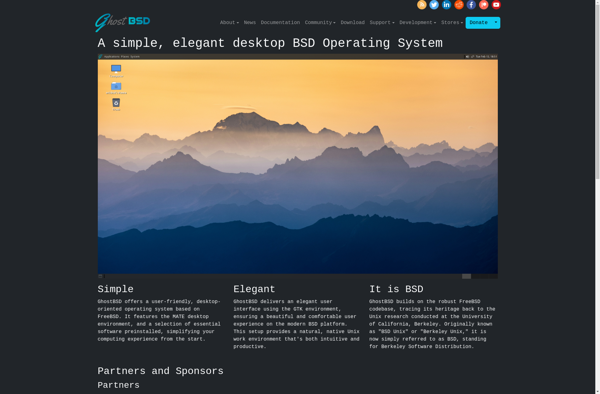
GhostBSD is a BSD-based operating system that aims to provide a user-friendly desktop operating system experience built on top of FreeBSD. It comes preinstalled with the lightweight MATE desktop environment which provides a traditional desktop layout for productivity.GhostBSD makes it easy for Linux users to try out the BSD operating...
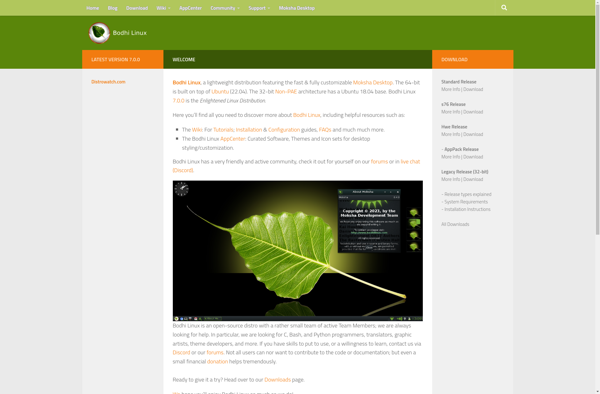
Bodhi Linux is a lightweight Linux distribution based on Ubuntu that uses the Moksha desktop environment. Moksha is a continuation of the Enlightenment 17 desktop environment which focuses on resource efficiency and minimalism while still providing an attractive and usable interface.Some key features of Bodhi Linux include:Very low memory and...
Mageia is a free and open-source Linux distribution that has its roots in the Mandriva Linux (formerly known as Mandrake Linux) project. After Mandriva S.A, a French company, went bankrupt in 2011, many of the core Mandriva developers decided to fork the distro to create Mageia, which would be community-driven...
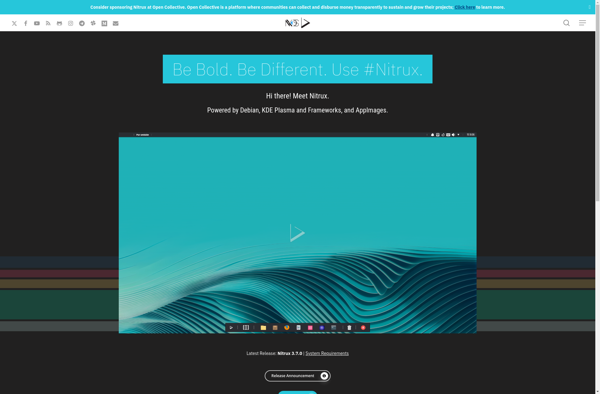
Nitrux OS is a Linux distribution developed by Uri Herrera that is based on Ubuntu. It features a unique desktop environment called Nomad Desktop that is designed to provide an intuitive and aesthetically pleasing user experience.Some key features of Nitrux OS include:Nomad Desktop Environment - Custom desktop focused on usability,...
SparkyLinux is a lightweight, rolling release Linux distribution based on Debian's testing branch. It is designed to be fast, lightweight and fully customizable to user's needs.Some key features of SparkyLinux include:Uses the Openbox window manager by default which is lightweight and fastHas customized Sparky Advanced Installer for easy installationSupport for...