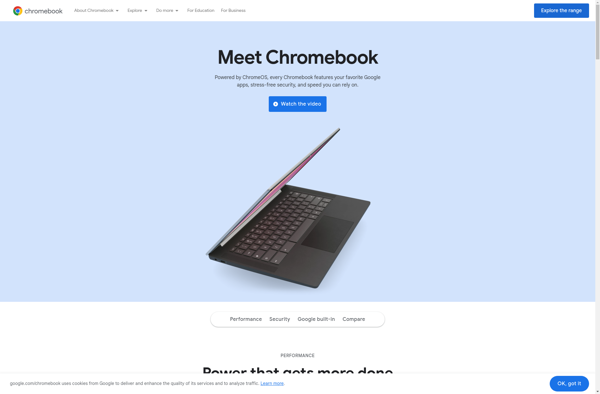
Google Chrome OS is a Linux-based operating system developed by Google that is designed to work exclusively with web applications. It is lightweight and fast, optimized for web browsing, offering automatic updates and built-in security.
Google Chrome OS: Lightweight Linux OS for Web Browsing
Google Chrome OS is a Linux-based operating system developed by Google that is designed to work exclusively with web applications. It is lightweight and fast, optimized for web browsing, offering automatic updates and built-in security.
What is Google Chrome OS?
Google Chrome OS is a Linux-based operating system developed by Google that is designed to work exclusively with web applications rather than traditional desktop programs. It was first released in 2011.
Some key features of Chrome OS:
Lightweight and fast - Chrome OS is optimized for web browsing and runs web apps efficiently by limiting background processes and graphics intensive programs.
Automatic updates - The OS updates itself automatically to ensure users always have the latest version and security patches.
Cloud-based - Apps and documents live in the cloud rather than a hard drive, allowing access from any device.
Security - Data is encrypted by default and critical software updates can rollback in case of issues.
Simple UI - The interface has a clean design with integrated Google apps and web app store.
With its focus on cloud computing and the web rather than traditional desktops, Chrome OS aims to be a fast, secure, and low-maintenance operating system. It's ideal for users who rely mainly on the web and web-based applications. Popular Chrome OS devices include affordable Chromebooks and Chromeboxes from brands like ASUS, Acer, HP, and Lenovo.
Google Chrome OS Features
Features
Web-based operating system
Fast boot time
Automatic background updates
Sandboxing of websites and apps
Virus protection
Verified boot process
Encrypted local data
Multiple user account support
Works offline with some apps/websites
Integrated with Google services (Drive, Gmail, etc)
Bliss OS is an open source operating system based on Android that is designed and optimized to run on laptops, PCs, tablets, and other devices with x86 architecture. It provides a full Android experience through the Android-x86 project while adding desktop-centric features.Unlike Android built for mobile devices, Bliss OS includes...
iPadOS is the mobile operating system created by Apple Inc. specifically for their iPad tablet devices. It was branched out from iOS starting in 2019 to add enhanced features and capabilities tailored towards the larger displays and more powerful hardware of iPads.Some key capabilities of iPadOS include:Optimized multitasking with features...
Fire OS is an Android-based mobile operating system created by Amazon for its Fire tablet and Fire TV lines of devices. It is designed primarily to promote and integrate Amazon's content and retail ecosystem with end user devices.Some key features and characteristics of Fire OS include:Tight integration with Amazon services...
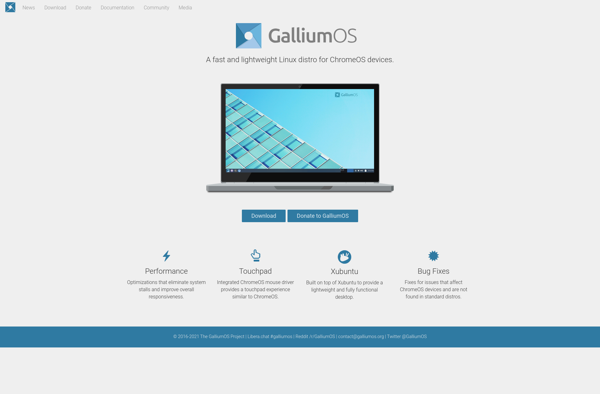
GalliumOS is a Linux distribution based on Xubuntu that is specifically optimized for Chromebooks and Chromebox devices. Some key features of GalliumOS include:Lightweight and fast - Uses the Xfce desktop environment and optimized kernel for improved performance on Chromebook hardware.Made for Chromebooks - GalliumOS is designed to take full advantage...
Porteus is a Slackware-based Linux distribution designed to be completely portable and run on a variety of systems. The key features of Porteus include:Runs completely from RAM for increased speed and privacy. No data is written to hard drive.Small ISO image size for fast downloads.Persistent option available to save settings/data...
FileCream is a file compression and archiving utility for Windows that makes it easy to zip and unzip files and folders. It supports creating and extracting archives in formats like ZIP, 7Z, RAR, TAR, GZ, BZ2, XZ, ARJ and more.Some of the key features of FileCream include:Intuitive drag and drop...
JustBrowsing is a new web browser focused on user privacy and providing a seamless browsing experience. Unlike other major browsers, JustBrowsing does not track user activity or store browsing history, so users can feel confident their data is not being collected or sold without their consent.Some key features of JustBrowsing...
JingOS is a Debian-based Linux distribution that has been specially designed and optimized for tablet computers and other touchscreen devices. Its user interface and experience are focused on touch interactions using gestures and swipes to navigate and control the operating system.Some of the key features of JingOS include:A mobile-first user...
BrowserLinux is an open-source, lightweight web browser designed specifically for Linux operating systems. It was created as an alternative to more resource-intensive browsers like Firefox and Chrome.Some key features of BrowserLinux include:Small memory and CPU footprint for better performance on older or lower-powered Linux machinesExtensive customizability and theming optionsOut-of-the-box ad...
OpenThos is an open source home automation platform designed to help manage and automate devices and services in residential settings. It provides a centralized interface to configure, monitor, and control connected devices in a home network.Some key features of OpenThos include:Web-based dashboard for monitoring status and controlling devices/servicesRules engine to...
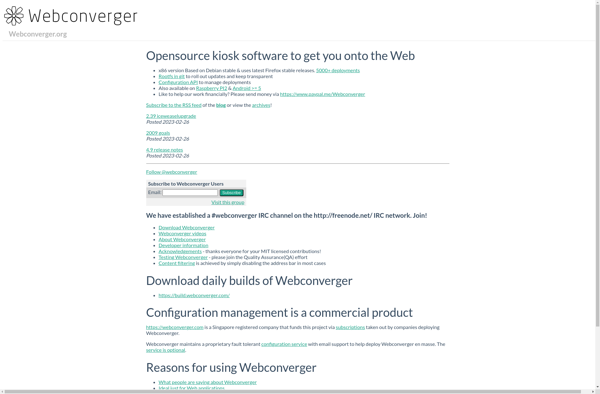
Webconverger is a Debian-based Linux distribution that is optimized for web kiosks and secure browsing. It boots extremely fast since the entire operating system runs from RAM rather than disk. This makes it well-suited for situations where quick access to a web browser is needed.Some key features of Webconverger include:Boots...
Tizen is an open source operating system developed by the Linux Foundation and supported by companies like Samsung and Intel. It is based on Linux and designed to power a wide range of devices including smartphones, tablets, smart TVs, wearables, and other Internet of Things (IoT) gadgets.Some key features and...
Jolicloud 2 is a Linux operating system distribution that is specifically designed for old computers and netbooks that may have limited processing power and storage capacity. It provides a lightweight and optimized user interface that works well on low-end hardware.One of the key features of Jolicloud 2 is the app...
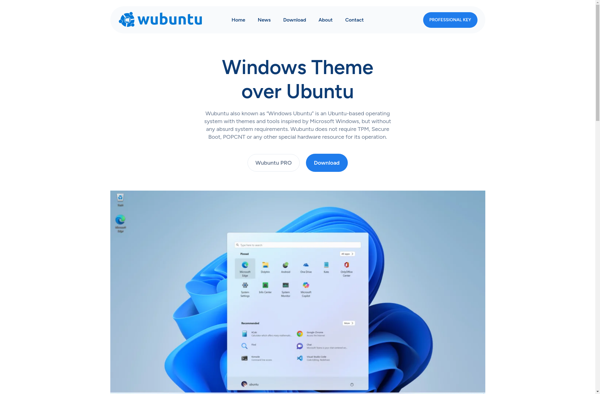
Wubuntu is an open-source Linux distribution based on Ubuntu that is designed to provide a familiar Windows-like experience for users transitioning from Windows operating systems. While retaining the stability, security, and flexibility of Ubuntu at its core, Wubuntu strives to make Linux less intimidating for new users by providing a...
Maru is an open-source personal information manager and knowledge base software. It is designed to help users organize information like notes, tasks, documents, contacts, and more in a flexible hierarchy of user-created categories and tags.Some key features of Maru include:Flexible organization using categories and tagsBasic note taking and document management...
CutefishOS is a relatively new Linux distribution launched in 2021 that aims to provide Linux users with an aesthetically pleasing desktop focused on usability and customization options. It is based on Debian and uses the apt package manager.At the core of CutefishOS is the Cutefish Desktop Environment, developed by the...
Node OS is an operating system built entirely in Node.js. It replaces the traditional Linux kernel with a JavaScript V8 interpreter, allowing web applications and services to run natively without an intermediate software layer or compatibility issues.Some key benefits of Node OS include:Enhanced security - Running everything in a single...
Phoenix Linux is a Debian-based Linux distribution developed by Philippines-based Entel Technologies. It focuses on providing a user-friendly, stable, and secure Linux system for daily use.Some key features of Phoenix Linux include:Uses the lightweight and customizable Xfce desktop environment by default.Software is carefully selected and optimized for regular tasks like...
Tanglu is a Linux distribution based on Debian that aims to provide a fully free operating system focused on ease of use. It initially launched in 2013 with the goal of being an open, community-oriented alternative to Ubuntu that treated users, contributors, and developers equally.At its core, Tanglu uses the...
Openmamba is a Linux distribution originally based on Mandriva Linux. It was created in 2012 after Mandriva SA went bankrupt and stopped releasing new versions of Mandriva Linux.Openmamba adopted an open development model, allowing community contributions and participation in developing the distribution. This contrasts with Mandriva's previous closed and proprietary...
DebianDog is a Linux distribution derived from Debian that aims to be fast, lightweight, and easy to use while still maintaining compatibility with its parent OS. Some key features of DebianDog include:Uses the Openbox window manager for a clean and customizable desktop environment while remaining relatively resource-lightShips with only essential...
Mythbuntu is a specialized version of the Ubuntu Linux operating system designed for building a home theater PC (HTPC). It includes the MythTV media center software as its main component which provides an intuitive interface for managing your digital media library of videos, music, and photos.Key features of Mythbuntu include:Easy...
Black Lab Linux is a desktop Linux distribution that aims to be simple and easy to use for novice and advanced users alike. It is based on Ubuntu and Debian technology, utilizing the flexible APT package management system. Black Lab strives to integrate the latest open source applications into a...
Sanickiosk is an open-source digital signage and kiosk software designed specifically for Raspberry Pi boards. It provides an intuitive interface to set up both non-interactive digital signs and fully interactive kiosks.Some key features of Sanickiosk include:Multi-zone layout editor - Easily divide your screen real estate into multiple zones and assign...
Bedrock Linux is a meta Linux distribution that allows users to utilize programs from other Linux distributions simultaneously. The key goal of Bedrock Linux is to provide the flexibility, customizability and new features of distributions like Gentoo, Arch Linux, Void Linux, etc. while still maintaining compatibility with major Linux distributions...
Maemo is a Debian Linux-based computer operating system developed by Nokia, originally for smartphones and other handheld devices. It features the GTK-based Hildon user interface and targets devices like smartphones and Internet tablets. Development of Maemo at Nokia began in 2006 to target devices larger than typical smartphones but smaller...
Spongebuntu is a Linux distribution based on Ubuntu that aims to provide a clean, lightweight, and easy-to-use desktop operating system. It is designed specifically for old computers and systems with limited hardware resources.Spongebuntu uses the lightweight Xfce desktop environment instead of the standard Ubuntu desktop GUI. Xfce is customized to...
Supreme Linux Enterprise is a Linux distribution optimized for deployment in enterprise environments. It is built on a stable codebase and goes through rigorous security and quality assurance testing before release. Some key features include:Long-term support releases with 5 years of security and maintenance updatesCertification for running mission-critical applications like...