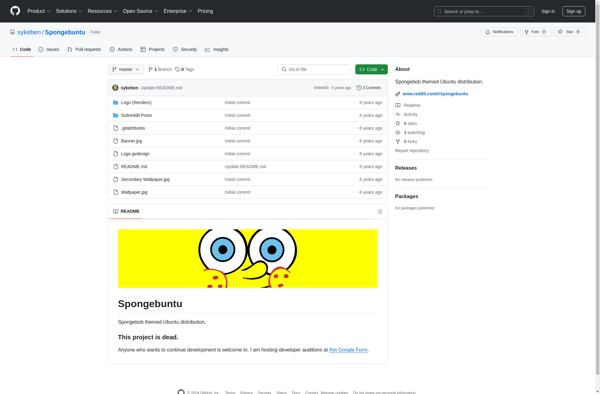
Spongebuntu is a lightweight Linux distribution based on Ubuntu that aims to provide a clean and minimal desktop experience. It uses the Xfce desktop environment and customize it to be simple yet functional.
Spongebuntu: Lightweight Linux Distribution for Clean Desktop Experience
A minimalistic Linux distribution based on Ubuntu, utilizing Xfce desktop environment for a simplified and functional user experience.
What is Spongebuntu?
Spongebuntu is a Linux distribution based on Ubuntu that aims to provide a clean, lightweight, and easy-to-use desktop operating system. It is designed specifically for old computers and systems with limited hardware resources.
Spongebuntu uses the lightweight Xfce desktop environment instead of the standard Ubuntu desktop GUI. Xfce is customized to provide a simple and minimal, yet functional user interface and experience. The goal is to reduce system resource usage so that the OS can run smoothly on older computers.
Some key features of Spongebuntu include:
Lightweight Xfce desktop uses less RAM/CPU than standard Ubuntu
Customized UI for simplicity and ease-of-use
Supports old 32-bit and 64-bit computer systems
Uses Ubuntu repositories for easy software installations
Small ISO download size for fast downloads and USB installations
Overall, Spongebuntu strives to breath new life into aging computers by providing a clean and optimized Ubuntu experience. The simplified interface allows beginners to easily use Linux on old hardware that may otherwise fail to properly run the standard Ubuntu distributions.
Spongebuntu Features
Features
Lightweight Xfce desktop environment
Minimalist interface and applications
Based on Ubuntu and compatible with Ubuntu repositories
Zorin OS is a Linux distribution designed specifically for new Linux users coming from Windows or macOS backgrounds. It is based on Ubuntu and uses the GNOME desktop environment, but has been customized with themes, layouts, and tweaks to provide a familiar experience for those accustomed to other operating systems.A...
Windows 7 is a personal computer operating system that was produced by Microsoft as part of the Windows NT family of operating systems. It was released to manufacturing in July 2009 and became generally available in October 2009 as the successor to Windows Vista.Some of the key features and improvements...
Qubes OS is a security-oriented open source operating system for personal computers that focuses on compartmentalization and isolation to increase security. It utilizes Xen-based virtualization to allow the user to compartmentalize different applications and data into isolated compartments called qubes.Some key features of Qubes OS include:Color-coded qubes for easy visual...
Google Chrome OS is a Linux-based operating system developed by Google that is designed to work exclusively with web applications rather than traditional desktop programs. It was first released in 2011.Some key features of Chrome OS:Lightweight and fast - Chrome OS is optimized for web browsing and runs web apps...
Ubuntu Server is a variant of the Ubuntu Linux operating system designed specifically for server deployments rather than personal computers. It comes with advanced security features, supports multiple CPU architectures and clustering for high availability configurations, and integrates seamlessly with open source technologies like OpenStack for cloud deployments.Some key features...
blendOS is an open-source, decentralized operating system that is built on blockchain technology. It was created to give users more control over their privacy, security, and data ownership.Unlike traditional operating systems like Windows or MacOS, blendOS does not store user data on centralized servers owned by corporations. Instead, data is...
Lubuntu is a Linux distribution based on Ubuntu that uses the lightweight LXDE desktop environment. Some key facts about Lubuntu:It has lower system requirements than standard Ubuntu, making it a good choice for older computers or hardware with limited resources.Uses the LXDE desktop environment which is lightweight, fast, and energy-efficient.Includes...
GhostBSD is a BSD-based operating system that aims to provide a user-friendly desktop operating system experience built on top of FreeBSD. It comes preinstalled with the lightweight MATE desktop environment which provides a traditional desktop layout for productivity.GhostBSD makes it easy for Linux users to try out the BSD operating...
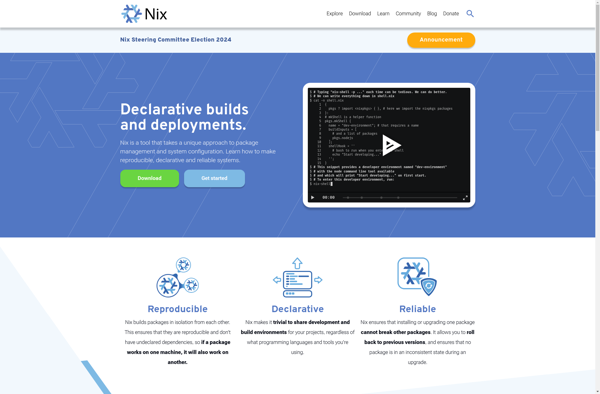
NixOS is a Linux distribution that aims to improve the state of Linux package management and system configuration. Some key features and goals of NixOS include:Reliability - NixOS utilizes atomic upgrades and rollbacks to ensure a reliable system state. If an upgrade fails, the system can automatically roll back to...
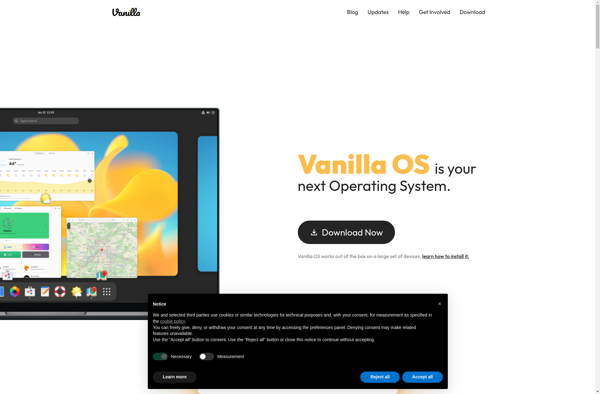
Vanilla OS is a lightweight Linux distribution developed as an open-source operating system focused on simplicity, speed, and ease of use. Based on a minimal Debian core, Vanilla OS uses the Openbox window manager and its own Vanilla Desktop Environment (VDE) to provide a fast and intuitive user experience.By eschewing...
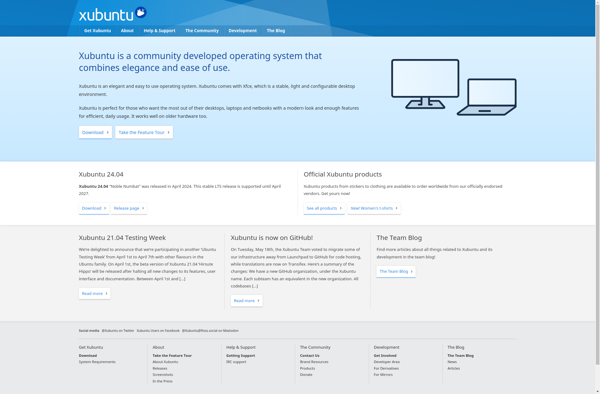
Xubuntu is an official community edition of the Ubuntu operating system that comes with the Xfce desktop environment preinstalled instead of Ubuntu's default GNOME desktop. Xubuntu uses the same software repositories as Ubuntu, so it is just as easy to use and provides a similar user experience, but it is...
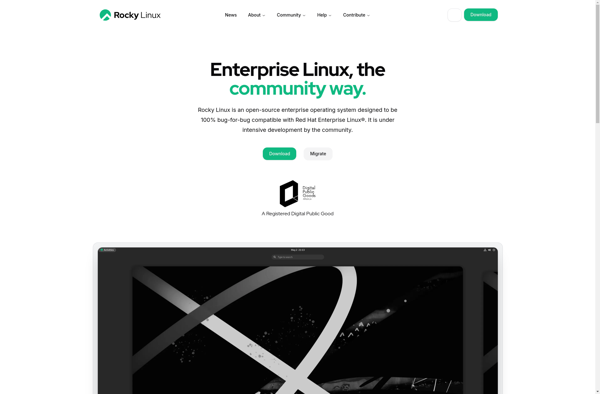
Rocky Linux is a Linux distribution built from the source code of Red Hat Enterprise Linux (RHEL). It is intended to provide a drop-in replacement for RHEL and the discontinued CentOS, allowing organizations to migrate existing workloads with minimal disruption.Some key facts about Rocky Linux:Launched in 2021 after Red Hat...