Ubuntu Server is a free, open source operating system based on Linux, designed for servers, the cloud and large-scale deployments. It has a strong community and large ecosystem of compatible software and tools.
Free, open source operating system based on Linux, designed for servers, the cloud and large-scale deployments with a strong community and large ecosystem of compatible software and tools.
What is Ubuntu Server?
Ubuntu Server is a variant of the Ubuntu Linux operating system designed specifically for server deployments rather than personal computers. It comes with advanced security features, supports multiple CPU architectures and clustering for high availability configurations, and integrates seamlessly with open source technologies like OpenStack for cloud deployments.
Some key features of Ubuntu Server include:
Easy deployment and administration with command line and graphical management tools
Tight integration with LDAP, Active Directory, Samba for file and print services
Support for latest virtualization and container technologies like KVM, LXD, and Docker
Fast and stable performance for web, database, mail, DNS and other server workloads
Regular long term support (LTS) releases with 5 years of security and maintenance updates
Large repository of server packages, modules and complementary technologies
Strong community support through forums, documentation and cloud images
With its reliability, security, flexibility and ecosystem support, Ubuntu Server is a great fit for small businesses to large enterprises looking to build out their IT infrastructure and hosted services.
Ubuntu Server Features
Features
Debian-based Linux distribution
Supports multiple architectures like x86, ARM, POWER, IBM Z, and LinuxONE
Uses Linux kernel for core OS functions
Has server-focused features like LXD for containers
Supports cloud deployments on AWS, Azure, Google Cloud Platform, and more
Has Long Term Support (LTS) versions with 5 years of security updates
Includes server tools like Apache, MySQL, Nginx, Docker, and more
Has Juju for automating deployments
Uses APT as package manager
Has Landscape for systems management
Pricing
Open Source
Free
Pros
Free and open source
Large ecosystem of compatible software
Strong community support
Very stable and secure
Scales well for large deployments
Supports latest hardware and architectures
Customizable with access to source code
Long term support versions available
Cons
Not as user friendly as desktop distributions
Requires more technical knowledge to administer
LTS versions can lag behind latest software versions
Windows 10 is the latest version of Microsoft's operating system, released in 2015. It builds on the core foundations of Windows 7 and 8 and brings back the familiar Start menu while also introducing new features.Some key new features and improvements in Windows 10 include:The return of the Start Menu...
Linux Mint is a Linux distribution built on top of Ubuntu that aims to provide a more complete out-of-the-box experience. Some key aspects of Linux Mint include:User-friendly desktop environment with a familiar workflow for Windows usersComes with a lot of pre-installed software for common tasks like office productivity, internet browsing,...
Windows 7 is a personal computer operating system that was produced by Microsoft as part of the Windows NT family of operating systems. It was released to manufacturing in July 2009 and became generally available in October 2009 as the successor to Windows Vista.Some of the key features and improvements...
Zentyal is an open source Linux server distribution based on Ubuntu Server. It provides small and medium businesses with a variety of essential network services out of the box.Some of the key features and services offered by Zentyal include:DHCP server for dynamic IP address allocationDNS server for domain name resolutionHTTP...
NethServer is an open source Linux distribution based on CentOS that aims to provide a simple yet powerful server platform. It is designed specifically for use as a network server, optimized for both physical and virtual environments.Some key features and benefits of NethServer include:Easy to install and configure through a...
elementary OS is a Linux distribution based on Ubuntu that focuses on providing a fast, open, and privacy-respecting computing experience. It comes with a custom desktop environment called Pantheon that features a sleek and intuitive user interface designed for productivity.Some key features of elementary OS include:An app store called AppCenter...
Debian is one of the oldest and most popular Linux distributions available today. First released in 1993, it is known for its stability, commitment to free software principles, and huge repository of over 50,000 software packages.Some key facts about Debian:It is developed by a worldwide community of volunteers working together...
Fedora is a Linux distribution developed by the Fedora Project and sponsored by Red Hat. It is one of the most popular community-driven Linux distributions and is known for showcasing the latest innovations in open source software on a stable and easy-to-manage platform.Some key features of Fedora include:Uses the RPM...
Manjaro Linux is an open source, independently developed GNU/Linux distribution based on Arch Linux. It aims to provide an accessible entry point for new Linux users, while maintaining the DIY spirit and technical simplicity that Arch Linux is known for.Some key features of Manjaro Linux include:User-friendly graphical installers for quick...
SME Server (System Management Enterprise Server) is an open source Linux distribution based on CentOS that is optimized for easy deployment and management of various server applications useful for small and medium businesses. It comes pre-installed and pre-configured with a set of applications such as:Email server with webmail accessWeb server...
openSUSE is a versatile Linux distribution that can be used on desktops, laptops, and servers. It focuses on being easy to use, having up-to-date software packages, and providing flexibility for different types of users.Some key features and information about openSUSE:Sponsored by SUSE Linux and other companies, but community-developedRegular release cycle...
Pop!_OS is a Linux distribution developed by computer manufacturer System76. It is based on Ubuntu and uses the GNOME desktop environment.Some key features of Pop!_OS include:Custom GNOME desktop theme and system improvements designed for an optimal workflow.Good hardware compatibility, especially with System76 hardware.Streamlined window and workspace management using keyboard shortcuts...
IDECO ICS is an industrial control system (ICS) designed specifically for process industries such as oil and gas, chemicals, food and beverage, and pharmaceuticals. It is a cloud-based platform that provides integrated operational data, alarm management, historian tracking, production scheduling, and other key functions needed to monitor and control industrial...
Kubuntu is an officially recognized flavor of the Ubuntu Linux distribution that features the KDE Plasma desktop environment instead of Ubuntu's default GNOME desktop. Kubuntu provides a user-friendly, customizable, and visually appealing desktop experience powered by the latest KDE Plasma technologies.Some key features and characteristics of Kubuntu include:Uses the lightweight...
Wubuntu is an open-source Linux distribution based on Ubuntu that is designed to provide a familiar Windows-like experience for users transitioning from Windows operating systems. While retaining the stability, security, and flexibility of Ubuntu at its core, Wubuntu strives to make Linux less intimidating for new users by providing a...
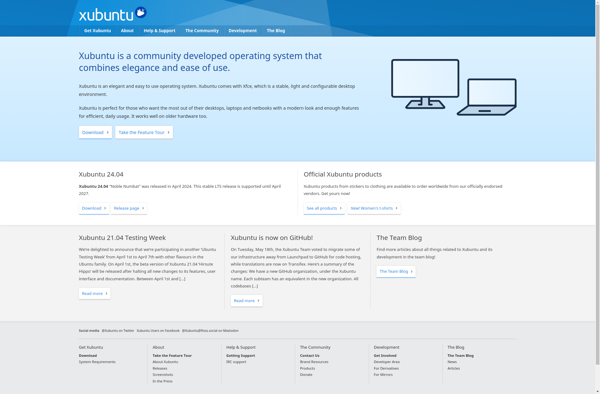
Xubuntu is an official community edition of the Ubuntu operating system that comes with the Xfce desktop environment preinstalled instead of Ubuntu's default GNOME desktop. Xubuntu uses the same software repositories as Ubuntu, so it is just as easy to use and provides a similar user experience, but it is...
UwUntu is a Linux distribution derived from Ubuntu that features an anime-inspired mascot and theme. The name and branding play on the Japanese word "uwu", an emoticon expressing cuteness. Visually, UwUntu utilizes pastel colors, neko-themed icons, and anime wallpapers to create a bright, cheerful environment compared to Ubuntu's default dignified...
Windows Server 2019 is the latest release of Microsoft's Windows Server operating system for business servers and datacenters. It builds on the foundation of Windows Server 2016 and includes additional features focused on security, hybrid cloud infrastructure, and hyper-converged infrastructure.Some of the key capabilities and benefits of Windows Server 2019...
CutefishOS is a relatively new Linux distribution launched in 2021 that aims to provide Linux users with an aesthetically pleasing desktop focused on usability and customization options. It is based on Debian and uses the apt package manager.At the core of CutefishOS is the Cutefish Desktop Environment, developed by the...
Vector Linux is a Linux distribution based on Slackware that aims to provide a fast, highly efficient, and easy-to-use Linux operating system for everyday use. It was launched in 2008 with a focus on lower system resource usage while still providing good usability and powerful performance.Vector uses the lightweight Xfce...
Zenwalk Linux is a Slackware-based Linux distribution that focuses on being a lightweight, fast, and easy-to-use desktop operating system. It uses the Xfce desktop environment by default, which helps it achieve relatively low memory and CPU usage while still providing an attractive and intuitive graphical interface.Some of the main features...
Devuan is a Linux distribution forked from Debian in 2015. It was created by a group of Debian developers who opposed Debian's switch to using systemd as the default init system. Devuan continues to use the traditional sysvinit init system instead.Some of the key features and characteristics of Devuan include:Forked...
Bedrock Linux is a meta Linux distribution that allows users to utilize programs from other Linux distributions simultaneously. The key goal of Bedrock Linux is to provide the flexibility, customizability and new features of distributions like Gentoo, Arch Linux, Void Linux, etc. while still maintaining compatibility with major Linux distributions...
Spongebuntu is a Linux distribution based on Ubuntu that aims to provide a clean, lightweight, and easy-to-use desktop operating system. It is designed specifically for old computers and systems with limited hardware resources.Spongebuntu uses the lightweight Xfce desktop environment instead of the standard Ubuntu desktop GUI. Xfce is customized to...