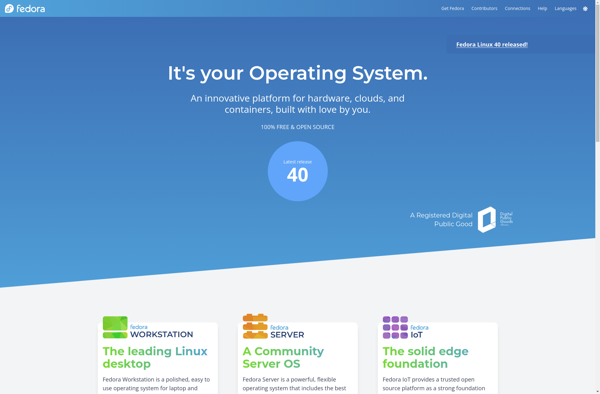
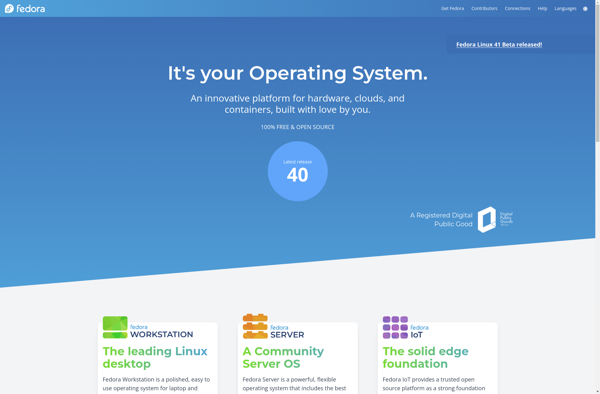
Fedora is a Linux distribution developed by the Fedora Project, sponsored by Red Hat. It aims to be a leading-edge operating system featuring the latest in free and open source software on a stable, secure, and easy-to-manage platform.
Fedora: Latest Linux Distribution for Free and Open Source Software
Fedora is a Linux distribution developed by the Fedora Project, sponsored by Red Hat. It aims to be a leading-edge operating system featuring the latest in free and open source software on a stable, secure, and easy-to-manage platform.
What is Fedora?
Fedora is a Linux distribution developed by the Fedora Project and sponsored by Red Hat. It is one of the most popular community-driven Linux distributions and is known for showcasing the latest innovations in open source software on a stable and easy-to-manage platform.
Some key features of Fedora include:
Uses the RPM Package Manager for software management
Provides latest releases of many popular applications like GNOME, KDE Plasma, LibreOffice, Firefox etc.
Strong focus on security - SELinux enabled by default
Cutting edge features - latest kernels, init systems (systemd) etc.
Large repository of software packages
Relatively short release cycles - new major versions every 6 months
Excellent community support through forums, wikis etc.
Fedora is well-suited for daily desktop use, software development, system administration tasks and cloud deployment. The project is committed to free and open source software principles. Although it is sponsored by Red Hat, it is an independent community project and is not commercially supported by Red Hat.
Fedora Features
Features
Uses RPM package manager
Provides latest upstream software
Has multiple desktop environment options like GNOME, KDE Plasma, Xfce, etc
Otakux GNU/Linux is a Linux distribution targeted specifically at anime and manga fans. It is based on Lubuntu, which means it uses the lightweight LXDE desktop environment. The developers aimed to create a fast, easy to use Linux distro that has an attractive anime-inspired theme.Some of Otakux's key features include:Custom...
Windows 10 is the latest version of Microsoft's operating system, released in 2015. It builds on the core foundations of Windows 7 and 8 and brings back the familiar Start menu while also introducing new features.Some key new features and improvements in Windows 10 include:The return of the Start Menu...
Windows 11 is the latest version of the Windows operating system released by Microsoft in 2021 as the successor to Windows 10. It introduces several visual changes including rounded corners, a new centered Start menu and taskbar, and revised app icons using soft pastel colors and the Fluent Design system.Under...
Ubuntu is one of the most popular Linux distributions available today. It is based on Debian and completely free and open source. Some key points about Ubuntu:It has an easy to use and intuitive interface, making it great for Linux beginners.It has a wide variety of official flavors featuring different...
macOS is the operating system created and developed by Apple Inc. exclusively for its Macintosh computers and laptops. It was originally named Mac OS X until 2012 and then OS X until 2016, when Apple renamed it to macOS to bring it inline with the branding of its other operating...
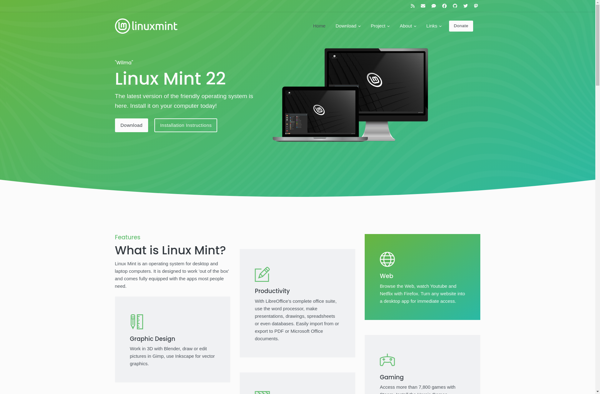
Linux Mint is a Linux distribution built on top of Ubuntu that aims to provide a more complete out-of-the-box experience. Some key aspects of Linux Mint include:User-friendly desktop environment with a familiar workflow for Windows usersComes with a lot of pre-installed software for common tasks like office productivity, internet browsing,...
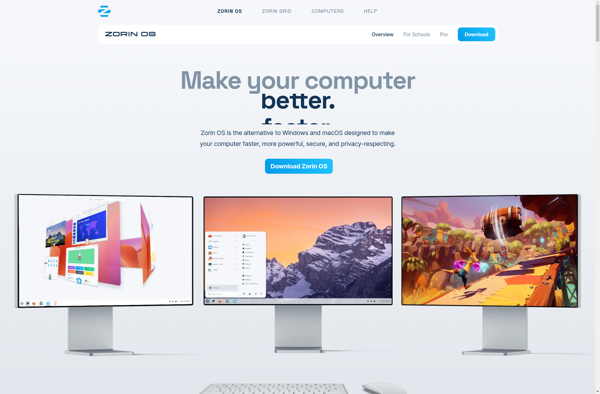
Zorin OS is a Linux distribution designed specifically for new Linux users coming from Windows or macOS backgrounds. It is based on Ubuntu and uses the GNOME desktop environment, but has been customized with themes, layouts, and tweaks to provide a familiar experience for those accustomed to other operating systems.A...
ChromeOS Flex is an operating system developed by Google that is based on the Chrome browser. It shares much of the same codebase as Google's ChromeOS that runs on Chromebooks. ChromeOS Flex is designed to run on older PCs and Macs, providing a modern computing experience on aging hardware.Some key...
Qubes OS is a security-oriented open source operating system for personal computers that focuses on compartmentalization and isolation to increase security. It utilizes Xen-based virtualization to allow the user to compartmentalize different applications and data into isolated compartments called qubes.Some key features of Qubes OS include:Color-coded qubes for easy visual...
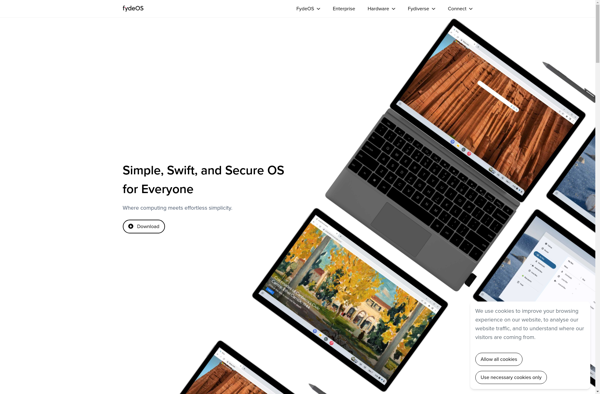
FydeOS is a free and open source operating system based on Chromium OS and Linux technologies. It is designed primarily for Chromebooks to bring the ability to run Android and traditional Linux desktop apps in a fast, secure, and lightweight environment.The core of FydeOS utilizes the same base code from...
Windows XP is a line of operating systems developed by Microsoft for use on personal computers. First released to computer manufacturers on August 24, 2001, it is part of the Windows NT family of operating systems.Windows XP was released for retail sale on October 25, 2001, and over 400 million...
ReactOS is an open-source operating system intended to allow Windows applications and drivers to run natively on Linux/UNIX-like systems. The project aims to provide binary-level compatibility with Windows through clean-room reverse engineering of the Windows API. Development began in 1996 and continues actively today.ReactOS features a Windows-like graphical user interface...
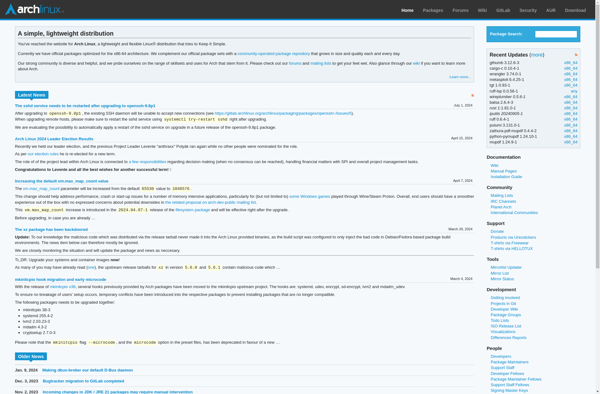
Arch Linux is a lightweight, flexible Linux distribution designed for experienced Linux users who want control and customization of their system. Some key features of Arch Linux include:Rolling release model - Arch gets continuous updates rather than point releases, ensuring you always have the latest software.Uses Pacman package manager -...
Revision (also known as ReviOS) is a privacy and security focused operating system based on Debian GNU/Linux. It was created with the goal of providing strong privacy protection, security enhancements, and user control out of the box.Some of the key features of Revision include:MAC address randomization - Prevents tracking based...
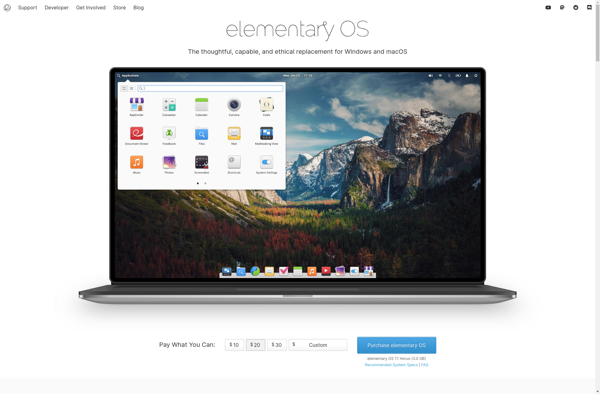
elementary OS is a Linux distribution based on Ubuntu that focuses on providing a fast, open, and privacy-respecting computing experience. It comes with a custom desktop environment called Pantheon that features a sleek and intuitive user interface designed for productivity.Some key features of elementary OS include:An app store called AppCenter...
Debian is one of the oldest and most popular Linux distributions available today. First released in 1993, it is known for its stability, commitment to free software principles, and huge repository of over 50,000 software packages.Some key facts about Debian:It is developed by a worldwide community of volunteers working together...
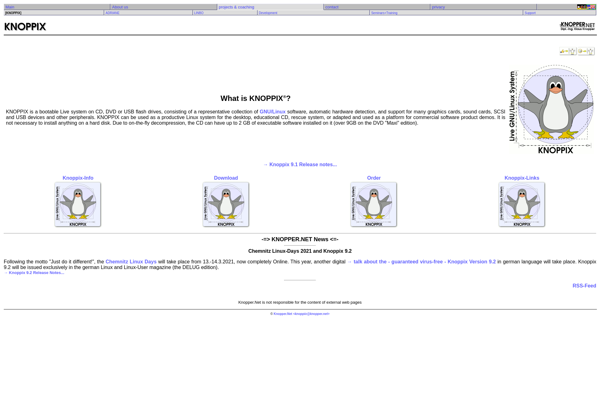
Knoppix is an operating system based on Debian GNU/Linux and optimized to run directly from CDs or DVDs. Unlike other Linux distributions, Knoppix does not need to be installed on a hard disk drive and can be used to test hardware, rescue data from failed systems, and more.Some key features...
Ubuntu Server is a variant of the Ubuntu Linux operating system designed specifically for server deployments rather than personal computers. It comes with advanced security features, supports multiple CPU architectures and clustering for high availability configurations, and integrates seamlessly with open source technologies like OpenStack for cloud deployments.Some key features...
Puppy Linux is a lightweight Linux distribution that is designed to run well on older computers with limited resources. Some key features of Puppy Linux include:Very small download size, usually under 300 MBCan run entirely from RAM for better performanceEasy to use graphical interface and toolsCompatible with Ubuntu software packagesMany...
Univention Corporate Server (UCS) is an enterprise-grade Linux distribution and management system tailored for companies and organizations. It brings together common infrastructure services like identity management, file sharing, print and DNS management into one cohesive platform.Some key features of UCS include:Centralized identity management through an LDAP directoryWeb-based administration portal for...
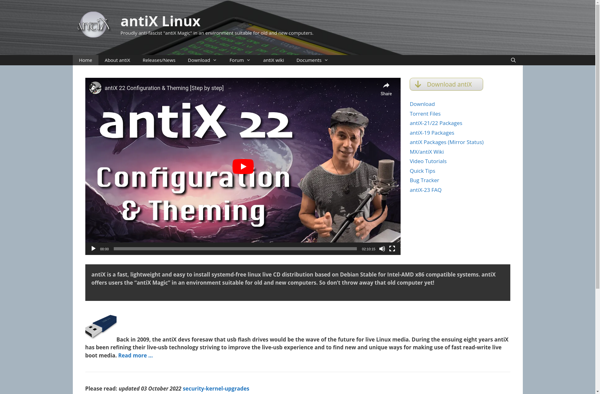
antiX is a lightweight Linux distribution based on Debian GNU/Linux. It aims to provide a fully functional yet lightweight operating system that can run efficiently on older hardware.Some key features of antiX include:Uses the IceWM window manager for speed and low resource usageIncludes useful applications like Firefox ESR web browser,...
Manjaro Linux is an open source, independently developed GNU/Linux distribution based on Arch Linux. It aims to provide an accessible entry point for new Linux users, while maintaining the DIY spirit and technical simplicity that Arch Linux is known for.Some key features of Manjaro Linux include:User-friendly graphical installers for quick...
FuryBSD is a desktop-focused operating system built on top of FreeBSD. It aims to provide users with an easy-to-use desktop environment set up out of the box.Some key features of FuryBSD include:Uses the GNOME desktop environment, providing an intuitive graphical interface and set of pre-installed applicationsAutomated system installer for quick...
RISC OS is a computer operating system originally designed by Acorn Computers Ltd in Cambridge, England in the 1980s. It was first released in 1987 for their ARM-based Acorn Archimedes range of personal computers.RISC OS features a graphical user interface built on top of a modular, message-passing kernel. It was...
instantOS is a Debian-based Linux distribution developed with speed, efficiency, and ease-of-use as the main priorities. It uses a highly customized and lightweight Xfce desktop environment to provide good system responsiveness and relatively low resource usage even on old or low-powered hardware.Unlike many other lightweight distros focusing only on system...
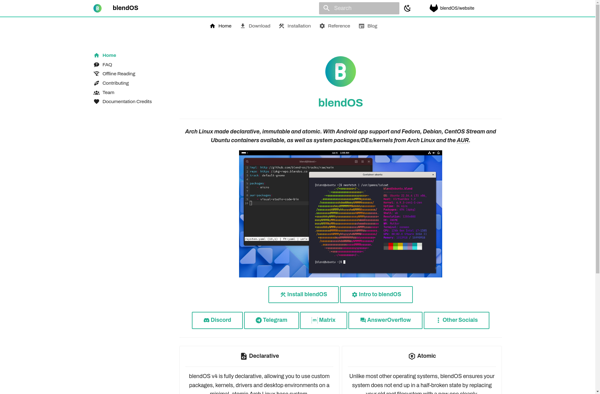
blendOS is an open-source, decentralized operating system that is built on blockchain technology. It was created to give users more control over their privacy, security, and data ownership.Unlike traditional operating systems like Windows or MacOS, blendOS does not store user data on centralized servers owned by corporations. Instead, data is...
FreeBSD is an advanced open source computer operating system used for modern servers, desktops, and embedded platforms. Originally derived from BSD Unix, FreeBSD offers compatibility with a wide range of applications and drivers while providing advanced performance, security, and networking features.Some key aspects of FreeBSD include:Excellent stability and reliability based...
openSUSE is a versatile Linux distribution that can be used on desktops, laptops, and servers. It focuses on being easy to use, having up-to-date software packages, and providing flexibility for different types of users.Some key features and information about openSUSE:Sponsored by SUSE Linux and other companies, but community-developedRegular release cycle...
Windows Vista is a personal computer operating system released by Microsoft on January 30, 2007. It was the successor to Windows XP and was followed by Windows 7 in 2009. Some of the key features and improvements of Windows Vista included:A redesigned user interface called Windows Aero with transparency effects...
Haiku is an open source operating system designed to recreate the look and feel of the discontinued BeOS operating system. It first became publicly available in 2009 and has been in continual development ever since.Like BeOS, Haiku is optimized to be fast, lightweight, and responsive, prioritizing performance and usability over...
ArozOS is a Linux distribution based on Arch Linux that focuses on providing a lightweight, responsive, and customizable desktop experience. It is designed specifically for desktop use rather than servers.Some key features and characteristics of ArozOS include:Uses the lightweight Xfce desktop environment, which consumes fewer system resources than GNOME or...
Pop!_OS is a Linux distribution developed by computer manufacturer System76. It is based on Ubuntu and uses the GNOME desktop environment.Some key features of Pop!_OS include:Custom GNOME desktop theme and system improvements designed for an optimal workflow.Good hardware compatibility, especially with System76 hardware.Streamlined window and workspace management using keyboard shortcuts...
Antergos is a Linux distribution based on Arch Linux that focuses on providing a user-friendly experience. Some key features of Antergos include:Graphical installer - Makes installing Arch Linux much easier for new users compared to the traditional command-line installationNumerous desktop environment options - Comes with GNOME, KDE, Xfce, Cinnamon, MATE,...
CloudReady is an operating system developed by Neverware that allows you to run Chromium OS on desktop and laptop computers. It is designed to provide a simple, secure, and easy-to-manage computing experience.Some key features of CloudReady include:Uses the Chromium OS as its base, providing a lightweight operating system optimized for...
RebornOS is a Linux distribution based on Debian that focuses on providing a lightweight, customizable, and privacy-focused desktop operating system. Some key features of RebornOS include:Uses the Openbox window manager by default, which is very fast, stable, and customizable.Very small ISO image size for fast downloads and installation.Includes privacy tools...
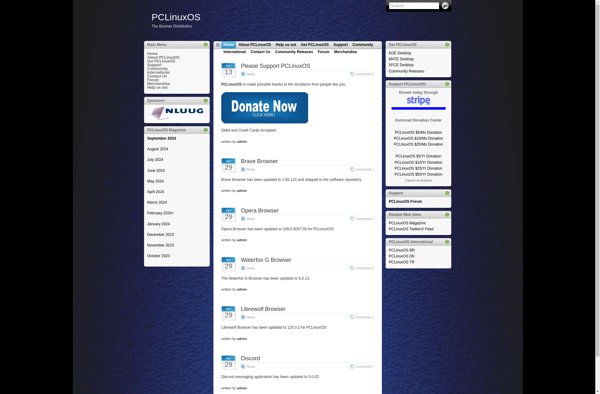
PCLinuxOS is a Linux distribution based on Mandriva Linux and featuring the KDE Plasma desktop environment. First released in 2003, PCLinuxOS aims to provide a user-friendly experience for Linux beginners while still maintaining the power and customizability Linux is known for.Key features of PCLinuxOS include:An easy graphical installer for quick...
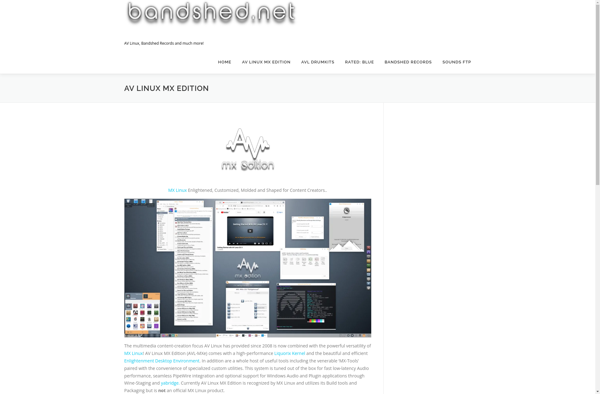
AV Linux is a Linux distribution that is specifically optimized and tailored for multimedia production, including audio, video, and graphics work. It comes pre-loaded with a wide variety of open-source software applications for audio, video, and image editing and creation.Some of the key features and software in AV Linux include:Real-time...
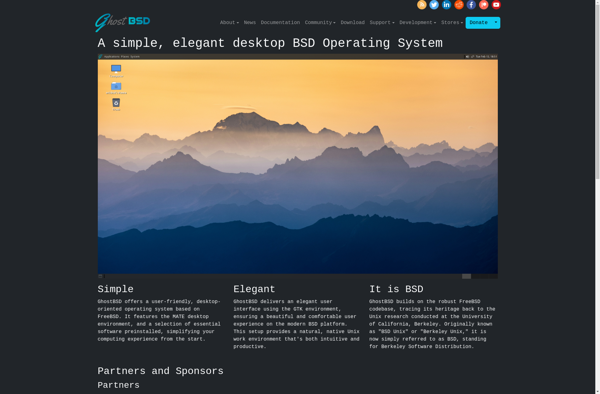
GhostBSD is a BSD-based operating system that aims to provide a user-friendly desktop operating system experience built on top of FreeBSD. It comes preinstalled with the lightweight MATE desktop environment which provides a traditional desktop layout for productivity.GhostBSD makes it easy for Linux users to try out the BSD operating...
Virtual Space is an immersive 3D design and visualization platform for creating detailed virtual environments. It provides intuitive tools for constructing digital worlds with high levels of visual realism and interactivity.With Virtual Space, users can sculpt customized terrain and landscapes, design intricate building structures and architectures, apply realistic surface materials...
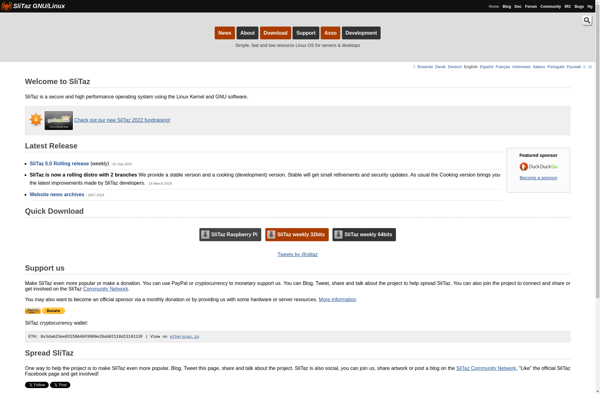
SliTaz is a very lightweight Linux distribution optimized for speed and low resource usage. The entire OS fits on a bootable live CD image of only about 30MB.Despite its small size, SliTaz provides a usable desktop experience thanks to the Openbox window manager and a carefully curated selection of lightweight...
Enso OS is a Linux distribution based on Ubuntu that is designed for home and personal use. It aims to provide a simple, intuitive, yet powerful operating system for everyday computing needs.Some key features of Enso OS include:Custom desktop environment focused on usability and aestheticsApplication store for easy access to...
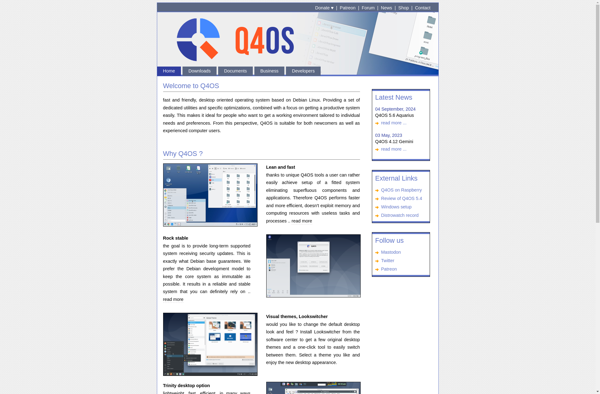
Q4OS is a Debian-based Linux distribution designed to offer a simple desktop experience and low system requirements. Some key features of Q4OS include:Uses the Trinity desktop environment, which provides a lightweight yet functional interface similar to older versions of KDE.Very fast and responsive, even on older hardware. Runs well on...
Semplice is a premium WordPress theme specifically targeted for creative professionals like photographers, designers, and artists who want to showcase their work online. Developed by the theme shop Colorlib, Semplice stands out for its visually refined design aesthetic and flexibility.As a lightweight theme built for performance, Semplice provides a simplified...
Edubuntu is an operating system based on Ubuntu Linux that is designed specifically for use in schools and other educational institutions. It comes preinstalled with a wide variety of open-source educational software and tools aimed at students, teachers, and school administrators.Some of the key features of Edubuntu include:Educational games and...
Garuda Linux is a performance-focused Linux distribution based on Arch Linux that aims to provide an easy-to-use desktop experience for newcomers while still offering a high degree of customization for advanced users. Some key features of Garuda include:Intuitive graphical installers and system configuration utilities for easier setup.A choice of desktop...
Trisquel is an open source Linux distribution based on Ubuntu that aims to provide an operating system focused on free software ideals and privacy. It removes proprietary software included in Ubuntu like restricted drivers, firmware, graphics and applications, replacing them with free alternatives.As a free software purist Linux distribution, Trisquel...
CoreOS is an open-source lightweight operating system based on the Linux kernel and designed for providing infrastructure to clustered deployments. It focuses on security, consistency, and reliability.Some key features of CoreOS include:Uses container-based application deployment and system componentization rather than a traditional Linux package-based approach. This allows for modular and...
WattOS is a Debian-based Linux distribution developed specifically for older computers and laptops to improve energy efficiency and battery life. The operating system uses a highly customized Xfce desktop environment optimized for lower resource usage. The main goal of WattOS is to revive older hardware and extend its usable lifetime...
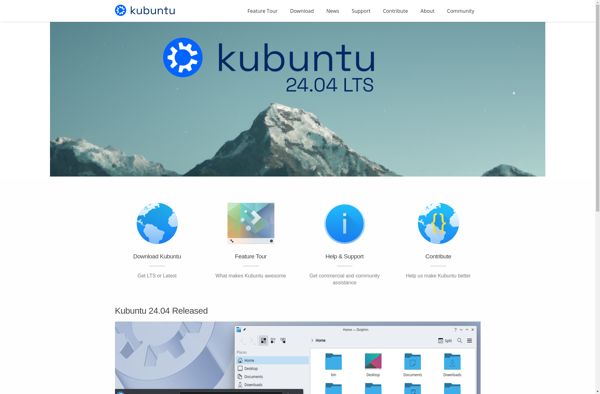
Kubuntu is an officially recognized flavor of the Ubuntu Linux distribution that features the KDE Plasma desktop environment instead of Ubuntu's default GNOME desktop. Kubuntu provides a user-friendly, customizable, and visually appealing desktop experience powered by the latest KDE Plasma technologies.Some key features and characteristics of Kubuntu include:Uses the lightweight...
ArcaOS is an operating system based on an open source branch of IBM's OS/2. It is designed to run older applications and device drivers that are incompatible or unstable on modern versions of Windows.One of the key goals of ArcaOS is maintaining support for legacy software that relies on 16-bit...
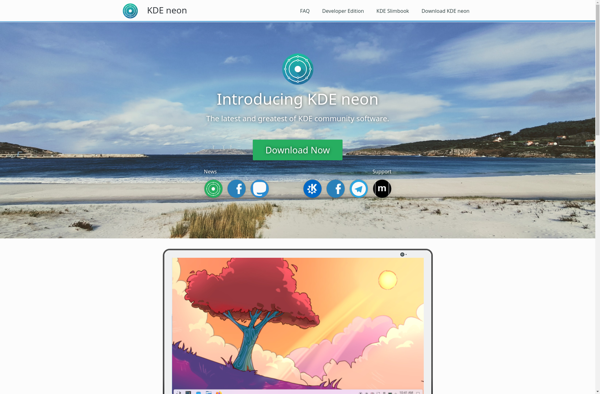
KDE neon is a Linux distribution developed by KDE primarily to showcase the latest KDE Plasma desktop environment and KDE software. It is based on the Ubuntu long-term support (LTS) releases and uses Ubuntu's infrastructure and package archives.Some key features of KDE neon include:Ships with the latest KDE Plasma desktop...
EndeavourOS is a rolling release Linux distribution based on Arch Linux. It aims to provide an easy-to-install system while still maintaining the DIY spirit of Arch. EndeavourOS features a graphical installer called Calamares that enables effortless installation compared to the complexity of installing vanilla Arch Linux.By default, EndeavourOS uses the...
BunsenLabs is a Linux distribution derived from Debian GNU/Linux. It features the lightweight and highly customizable Openbox window manager as its default desktop interface. Some key features of BunsenLabs include:Uses Debian GNU/Linux as its base, featuring the stable Debian package repositories and systemOpenbox provides a fast, responsive, and customizable window...
Kano OS is a Debian-based Linux distribution and computer kit designed to make learning computer skills, programming, and coding fun and accessible for kids and beginners. It features a simplified user interface, creative coding projects, and kid-friendly rango games for learning coding basics.The Kano kit comes with a Raspberry Pi...
NixOS is a Linux distribution that aims to improve the state of Linux package management and system configuration. Some key features and goals of NixOS include:Reliability - NixOS utilizes atomic upgrades and rollbacks to ensure a reliable system state. If an upgrade fails, the system can automatically roll back to...
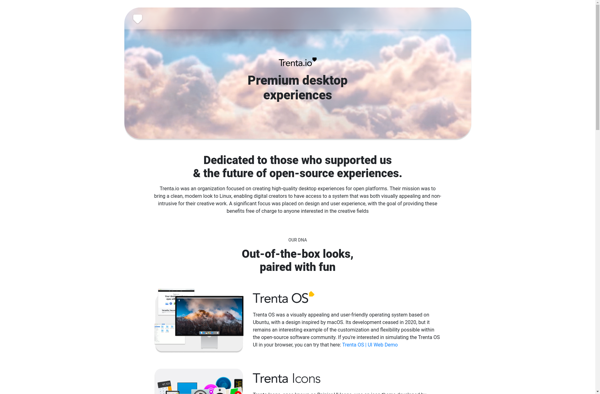
Trenta OS is a Linux distribution based on Ubuntu and Debian focused on reviving old computers and hardware. It uses a highly customized Openbox window manager for a lightweight yet functional graphical interface. The desktop environment and default applications are optimized to run smoothly on computers with as little as...
Scientific Linux is a Linux distribution produced by Fermi National Accelerator Laboratory. It is based on the free and open-source Red Hat Enterprise Linux operating system and aims to be a free, fast, stable, and flexible operating system often used for scientific computing, research, and high performance computing applications.Some key...
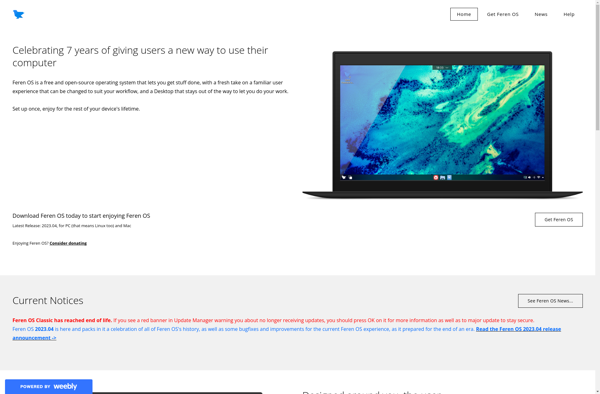
Feren OS is a relatively new Linux distribution that has been gaining popularity for its focus on an intuitive and visually appealing user experience. It is based on Ubuntu and uses the KDE Plasma desktop environment.Some key features and characteristics of Feren OS include:Custom desktop themes and icons that provide...
Peppermint OS is a lightweight Linux distribution based on Lubuntu that integrates cloud and web applications into the desktop. It uses a hybrid concept that allows web and cloud applications to integrate with native desktop apps. The goal is to make transitioning between locally installed software and internet-based applications very...
Slackware is one of the oldest actively maintained Linux distributions. It was first released in 1993 by Patrick Volkerding and emphasizes simplicity, stability, and security as its core principles. Some key things to know about Slackware:It is configured by editing plain text configuration files rather than using graphical configuration tools.Packages...
MiniOS is an open-source, monolithic kernel-based operating system designed primarily for educational purposes. It provides basic OS functionality like process and memory management, file systems, device drivers, etc. while keeping the codebase small and simple for learning.Some key features of MiniOS:Monolithic kernel architecturePreemptive multi-tasking of processesScheduling algorithms like RR, SJF,...
Vanilla OS is a lightweight Linux distribution developed as an open-source operating system focused on simplicity, speed, and ease of use. Based on a minimal Debian core, Vanilla OS uses the Openbox window manager and its own Vanilla Desktop Environment (VDE) to provide a fast and intuitive user experience.By eschewing...
Artix Linux is a rolling-release Linux distribution based on Arch Linux that does not use systemd as its init system. Instead, Artix allows the user to choose between OpenRC, runit, or s6 as init replacements.As a fork of Arch, Artix provides access to Arch's pacman packages and benefits from its...
Gentoo is a versatile and fast Linux distribution that is built specifically for each machine it is installed on. It aims to provide a great deal of flexibility and customization options by using the Portage package management system to compile software from source code.Some key features of Gentoo include:Performance optimization...
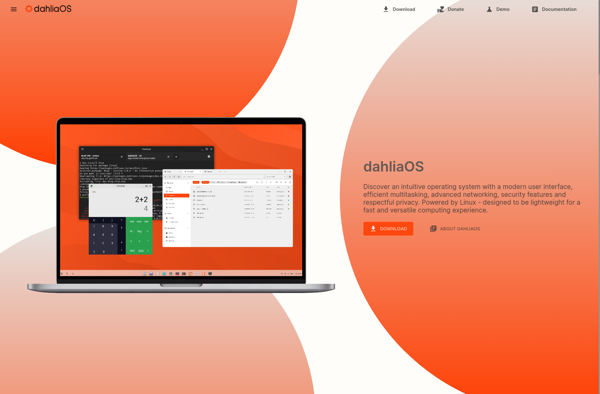
dahliaOS is a Linux distribution based on Debian that strives to offer a lightweight yet fully-functional alternative to more resource-intensive operating systems. At its core, dahliaOS utilizes the flexible and customizable Xfce desktop environment known for its relatively low memory and CPU footprint.Unlike heavier desktops like GNOME or KDE Plasma...
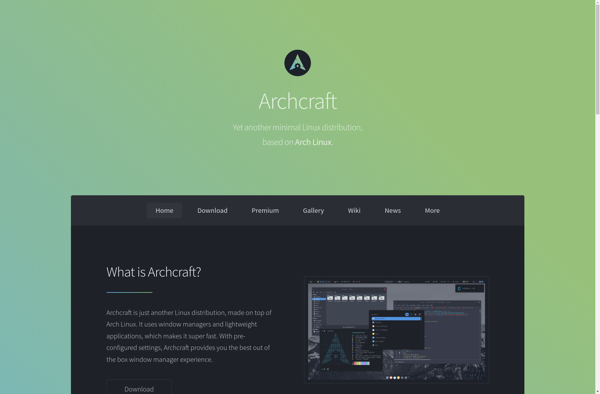
Archcraft is a Linux distribution based on Arch Linux that focuses on providing a lightweight yet fully functional desktop environment. It uses the Openbox window manager and tint2 panel by default, aiming to offer high performance while using fewer system resources.Some key features of Archcraft include:Uses the rolling release model...
Clear Linux is an open-source Linux distribution optimized for performance, security, and simplicity. It is developed by Intel primarily for cloud computing and edge computing use cases. Some key features of Clear Linux include:Rolling-release model - Clear Linux uses a rolling release method of updates, with continuous delivery instead of...
NomadBSD is an open source desktop operating system based on FreeBSD. It comes preconfigured with the lightweight MATE desktop environment and aims to provide an easy-to-use BSD platform for daily computing tasks.Some key features of NomadBSD include:User-friendly graphical installation processAutomatic hardware detection and configurationPreconfigured MATE desktop for a familiar user...
CrunchBang Linux, often abbreviated as CrunchBang or #!, is a Debian-based Linux distribution featuring an Openbox window manager. It aims to be fast, lightweight, and efficient while still being easy to use and customize.Some key features of CrunchBang Linux include:Uses Openbox window manager which is highly customizable but has few...
Windows 2000 is an operating system that was developed by Microsoft as part of the Windows NT family of operating systems. It was released in February 2000 as the successor to Windows NT 4.0.Some key features and improvements in Windows 2000 include:Increased stability and reliability over Windows NT 4.0Support for...
Windows 98 (codenamed Memphis) is a graphical operating system developed and released by Microsoft as part of its Windows 9x family of operating systems. It is the successor to Windows 95, released in August 1998.Windows 98 introduced a number of features designed to enhance the user experience over Windows 95....
ArchBang is a Linux distribution derived from Arch Linux that focuses on providing a lightweight yet fully functional Linux desktop environment. It uses the Openbox window manager along with some custom theming and configurations to offer a clean and efficient user experience.Some key features of ArchBang include:Uses Arch Linux as...
Kahel OS is a Linux distribution based on Arch Linux that focuses on providing a minimal, lightweight, and fast operating system for desktop and laptop computers. It is developed independently and uses the Xfce desktop environment by default.Some key features and goals of Kahel OS include:Minimal base install for high...
PureOS is a Debian-based Linux distribution developed by Purism. It focuses on privacy, security, and freedom.Some key features of PureOS include:End-to-end encrypted by default using coreboot, Librem Key, and other free softwareShips with security focused applications like GNOME, LibreOffice, and ThunderbirdProvides firmware protection against Intel Management Engine and other proprietary...
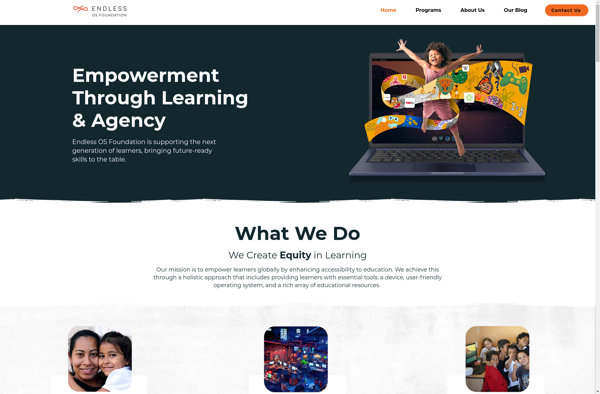
Endless OS is a Linux distribution based on Ubuntu that aims to provide an easy-to-use computing experience for people with limited access to bandwidth and computing resources. It comes preloaded with over 100 apps spanning education, creativity, and productivity.A key feature of Endless OS is that it caches Wikipedia, Khan...
Mageia is a free and open-source Linux distribution that has its roots in the Mandriva Linux (formerly known as Mandrake Linux) project. After Mandriva S.A, a French company, went bankrupt in 2011, many of the core Mandriva developers decided to fork the distro to create Mageia, which would be community-driven...
Helal Linux is a Debian-based Linux distribution that aims to provide an operating system tailored for Muslim users. It comes preinstalled with a variety of Islamic applications such as Quran study tools, prayer time reminders, Islamic calendars, and more. The interface is available in Arabic to provide familiarity for Arabic...
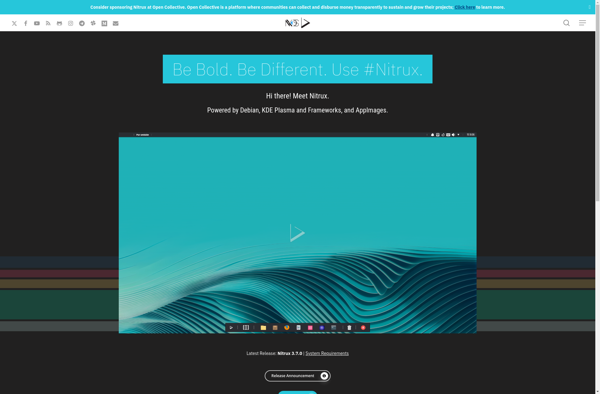
Nitrux OS is a Linux distribution developed by Uri Herrera that is based on Ubuntu. It features a unique desktop environment called Nomad Desktop that is designed to provide an intuitive and aesthetically pleasing user experience.Some key features of Nitrux OS include:Nomad Desktop Environment - Custom desktop focused on usability,...
Chromium OS is an open-source operating system developed by Google for Chromebooks and Chromeboxes. It is based on the open-source Chromium browser project, hence the name.Some key features of Chromium OS:Minimalist, lightweight design focused primarily on web browsing using the Chrome browserBoot times under 10 seconds due to solid state...
Black Lab NetOS is a Debian-based Linux distribution designed specifically for general desktop and server use. It aims to provide a simple, easy to use, and familiar experience for users transitioning from other operating systems like Windows.Some key features of Black Lab NetOS include:User-friendly interface - Resembles the Windows desktop...
SemiCode OS is a Linux-based open-source operating system developed specifically for software developers and programmers. It comes pre-configured with many popular developer tools, languages, and frameworks to boost productivity right out of the box.Some key features of SemiCode OS include:Fast and efficient code compilation - The OS uses LLVM and...
illumos is an open-source Unix operating system derived from Sun Microsystems' OpenSolaris project. It aims to provide a highly reliable, secure, and high performance operating system for enterprise workloads. Some key features and facts about illumos:illumos implements a Unix System V and POSIX API for interoperability with other softwareIt uses...
Ubuntu Kylin is an official flavor of Ubuntu Linux that is tailored specifically for Chinese users. It includes the following customizations and features:Full support for Chinese characters, input methods, fonts, and text renderingPre-installed Chinese software like WPS Office, QQ, Weibo clients, and Chinese browsersIntegration with popular Chinese web services like...
PureDarwin is an open source operating system project that aims to develop a complete Darwin-based operating system for x86 platforms. Darwin is the core set of components upon which macOS, iOS, watchOS, and tvOS are based.PureDarwin allows users to run Darwin and its open source components like the XNU kernel...
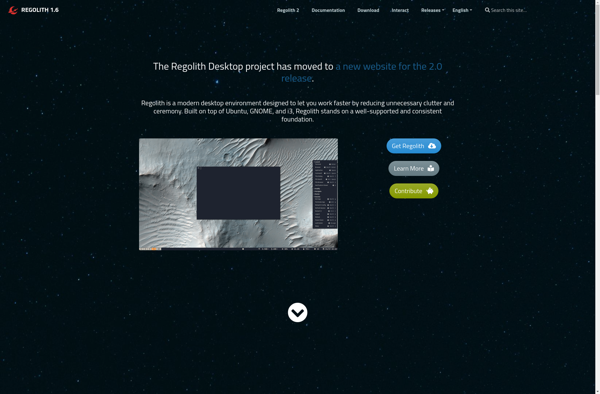
Regolith Linux is a Ubuntu-based Linux distribution featuring the i3 tiling window manager. It offers a lightweight and highly customizable desktop environment optimized for efficiency and keyboard-driven workflows.Some key features of Regolith Linux include:Uses i3 window manager for tiling windows and keyboard shortcuts to improve productivityCustomized Openbox menu with categorized...
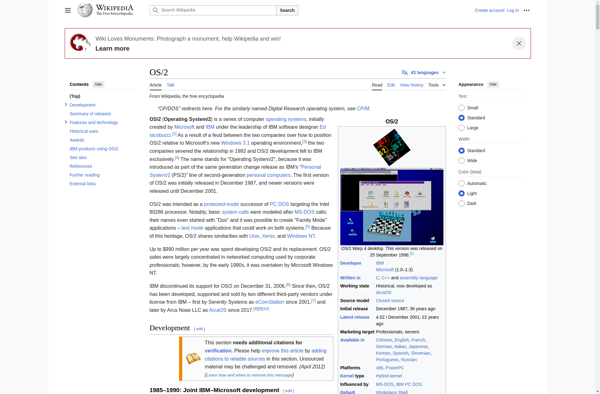
IBM OS/2 is a discontinued operating system that was originally developed in the late 1980s through a collaboration between technology giants IBM and Microsoft. The goal was to create a robust, object-oriented successor to DOS that could compete with Apple's Macintosh platform and the early versions of Microsoft Windows.OS/2 introduced...
Windowsfx OS is a free, open-source operating system based on Linux that aims to provide an efficient, intuitive, customizable, and modern computing experience. It is developed by a community of developers and contributors from around the world.At the core of Windowsfx is the Linux kernel which provides the foundation for...
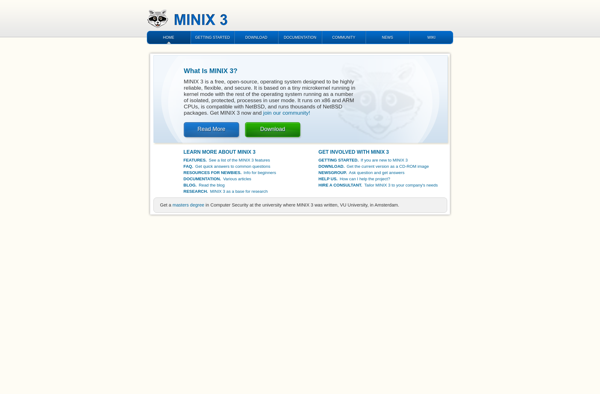
MINIX 3 is a free and open-source operating system developed as a microkernel-based Unix-like system. It was created by Andrew S. Tanenbaum, the author of MINIX, to be highly reliable, self-healing, and secure while still being compatible with POSIX applications.MINIX 3 features a minimal microkernel that provides essential services like...
Zen Installer is an open-source software installation tool designed for Linux operating systems. It aims to make installing software easy for all levels of users while still providing advanced customization options.Some key features of Zen Installer include:Graphical wizard interface to walk users step-by-step through installationSupport for deb and rpm packagesAdvanced...
BeeFree OS is a free, open source Linux-based operating system developed with a strong focus on privacy and security. It routes all network traffic through the Tor anonymity network by default to prevent tracking and surveillance of users' online activities.Some key features of BeeFree OS include:Use of Tor and encrypted...
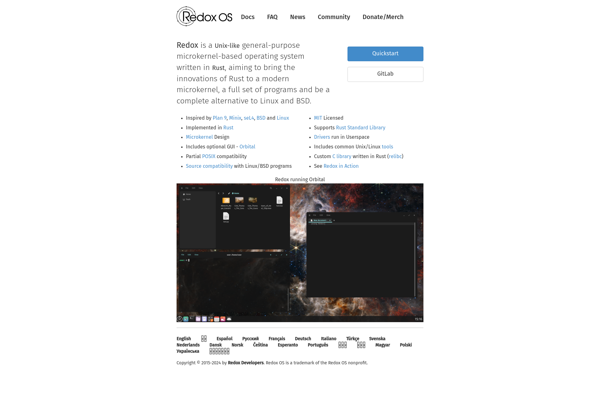
Redox is an emerging open-source electronic health record (EHR) software designed to promote seamless healthcare interoperability. It enables easy, secure exchange of health data between care providers, patients, health IT developers, and other healthcare stakeholders via robust, scalable APIs.Key features of Redox include:Platform-agnostic architecture - Integrates with any healthcare app...
xPud is a lightweight Linux distribution that is designed to run as a live operating system from removable media such as USB drives or CDs. It provides a simple way to have a portable Linux environment that can be carried on a flash drive and booted from any PC.Some of...
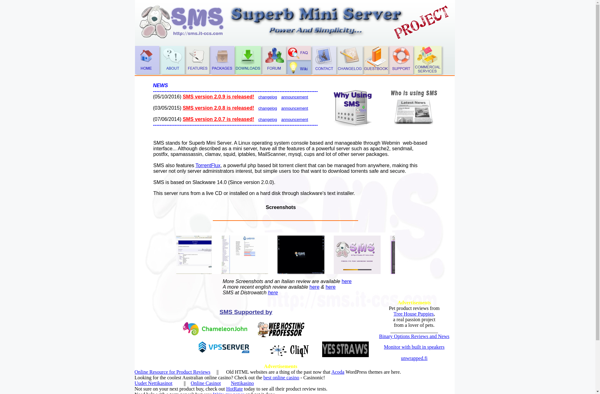
Superb Mini Server is a simple, lightweight web server for Windows that makes it easy to set up a local development and testing environment on your own machine. It gives developers an easy way to test websites, web services, and web applications without needing to deploy to a remote server.Some...
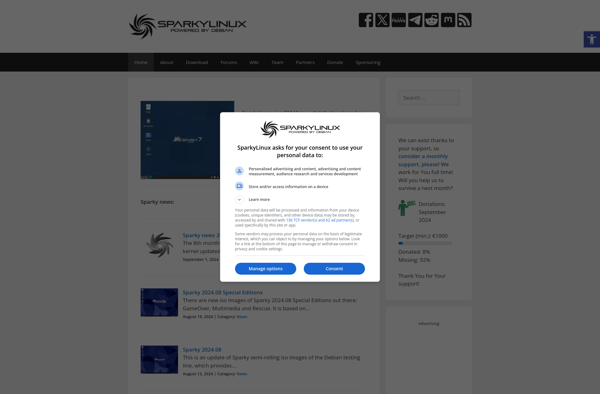
SparkyLinux is a lightweight, rolling release Linux distribution based on Debian's testing branch. It is designed to be fast, lightweight and fully customizable to user's needs.Some key features of SparkyLinux include:Uses the Openbox window manager by default which is lightweight and fastHas customized Sparky Advanced Installer for easy installationSupport for...
MerOS is a Linux distribution created specifically for digital creatives and artists. It comes preloaded with a curated selection of open source and proprietary creative applications to cover a wide range of disciplines - from photography, graphics design, animation, video production, 3D modeling to audio production.At the core, MerOS uses...
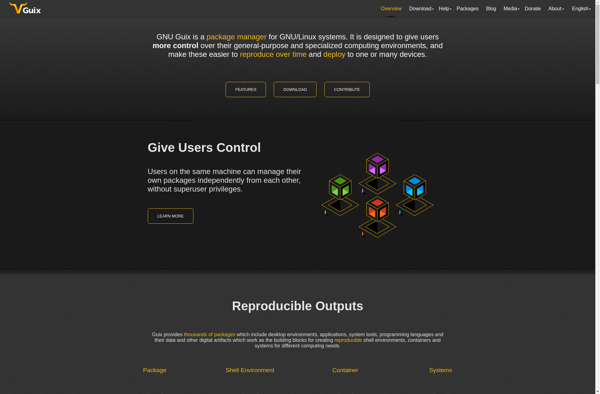
GNU Guix is a transactional package manager and operating system distribution built on top of the Nix package manager. It focuses on providing a flexible, customizable, and liberating computing environment through the use of the Guix functional package language.Some key features and goals of GNU Guix include:Transactional upgrades and rollbacks...
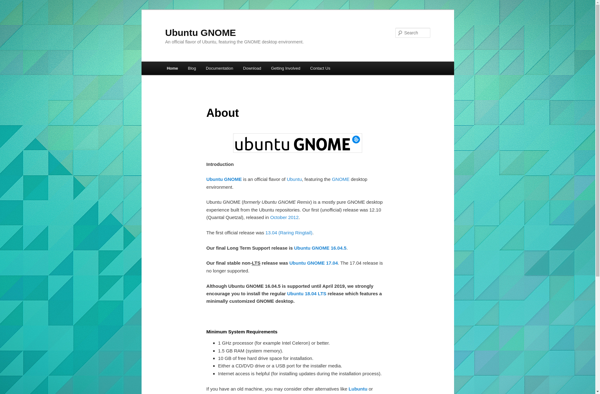
Ubuntu GNOME is a community-maintained desktop Linux distribution that uses the GNOME desktop environment. It is based on Ubuntu and shares the same software repositories, so Ubuntu GNOME users can access the vast collection of software in the Ubuntu archives.Some key features and advantages of Ubuntu GNOME include:Simple and elegant...
Ubermix is a Debian-based Linux distribution developed by educators to be an easy-to-use operating system for beginners, students, and Linux enthusiasts. It is designed to provide a smooth transition for new users coming from Windows or macOS environments.Some key features of Ubermix include:User-friendly desktop environment (Xfce) with familiar layout for...
AOS Universe Desktop is an open-source desktop environment built on the KDE Plasma desktop. It is designed to provide an intuitive and customizable user experience for personal computing.Some key features of AOS Universe Desktop include:Attractive visual design with transparency effects, animated backgrounds, and colorful icon themesTight integration with online AOS...
OpenSolaris is an open source computer operating system based on the Solaris operating system originally created by Sun Microsystems. It builds on the foundation of the proprietary Solaris code base and includes the additions and improvements developed by the Solaris Express community edition.Some key features of OpenSolaris include:Built on top...
Ubuntu Budgie is an officially recognized flavor of Ubuntu featuring the Budgie desktop environment. Budgie focuses on simplicity and elegance, utilizing a clean and intuitive user interface without sacrificing functionality.Ubuntu Budgie aims to combine the stability and vast software resources of Ubuntu with the lightweight and sleek Budgie desktop. It...
Linux Lite is a Linux distribution based on Ubuntu LTS releases. It uses the lightweight Xfce desktop environment and is optimized to run smoothly on older, less powerful hardware while still providing a functional and user-friendly experience.Some key features of Linux Lite include:Easy to install - comes with a simple...
OpenBSD is a free and open-source Unix-like operating system derived from BSD. It focuses on security, code correctness, and cryptography implementations.Some key features and characteristics of OpenBSD:Strong focus on security through default secure configuration, proactive security features like W^X, ASLR, etc.Frequent code auditing and cleaning to remove bugs and potential...
Bluestar Linux is a desktop-focused Linux distribution based on Arch Linux. It aims to provide a user-friendly experience and stability along with the benefits of an rolling release model.Some key features and characteristics of Bluestar Linux include:Uses a highly customized version of the GNOME desktop environment for improved aesthetics and...
Manjaro Cup of Linux Edition is a user-friendly Linux distribution designed for beginners who want to try out Linux. It is based on Manjaro Linux and uses the GNOME desktop environment, which provides an attractive and intuitive graphical interface.Some key features of Manjaro Cup of Linux Edition include:Automatic hardware detection...
BITS-PyOS is an open-source operating system written entirely in Python. It was created as an academic project to demonstrate the feasibility of building a fully-functional OS in a high-level scripting language.Some key features of BITS-PyOS include:Lightweight design - By leveraging Python, it has a small memory footprint and minimal hardware...
Qimo For Kids is a Linux distribution based on Xubuntu that is specifically designed for children. It comes with a collection of educational games, drawing programs, media players and other applications suitable for kids. Some key features of Qimo For Kids include:Simplified user interface with large icons for easy navigation.Preconfigured...
CRUX Linux is a lightweight, independent Linux distribution that focuses on keeping things simple for experienced Linux users. It adheres to the KISS (Keep It Simple, Stupid) principle, emphasizing minimalism, flexibility and clean code over user-friendliness and ease of use.Some key features of CRUX Linux include:Uses BSD-style init system and...
Apricity OS is a Linux distribution based on Arch Linux that focuses on providing a polished and easy-to-use experience for Linux users. Some key features of Apricity OS include:Uses the GNOME 3 desktop environment with custom themes and extensions for improved aesthetics and usability.Comes with useful software pre-installed, like a...
MX Linux is a user-friendly Linux distribution based on Debian Stable. It focuses on simplicity, efficiency, and stability.Some key features of MX Linux include:- Uses the lightweight and customizable Xfce desktop environment by default, but also offers a version with Fluxbox lightweight window manager for older systems.- Includes handy system...
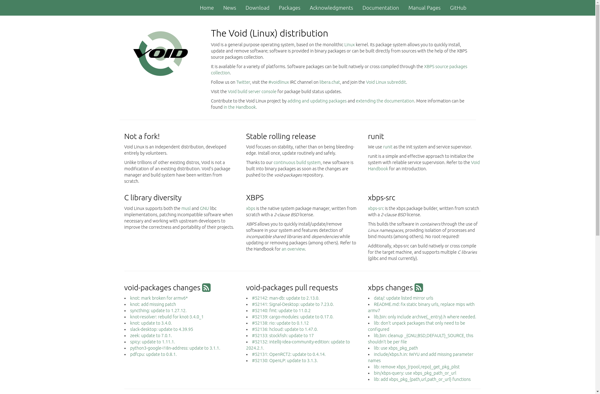
Void Linux is a general purpose Linux distribution that emphasizes simplicity, speed, and flexibility. Some key features of Void Linux include:Rolling release model - Packages are continually updated rather than having periodic point releases. This means you always have the latest software.musl libc - Uses the musl C standard library...
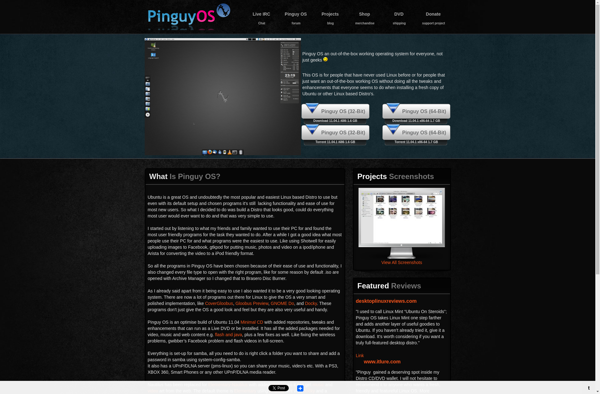
Pinguy OS is a Linux distribution based on Ubuntu that aims to provide an easy-to-use operating system for individuals new to Linux. It comes bundled with a wide variety of software for common tasks like office work, internet browsing, media playback, and more.Some key features of Pinguy OS include:Custom GNOME...
CLIP OS is an open-source machine learning operating system based on Linux that aims to simplify development and deployment of machine learning applications. It is optimized specifically for artificial intelligence workloads.Key features of CLIP OS include:Simplified model and data pipeline management - CLIP OS provides a centralized interface for managing...
Viperr is a next-generation anti-malware and antivirus software designed to protect Windows computers from all types of malware threats. It uses advanced behavioral analysis technology to monitor system activity for suspicious behaviors that indicate malware infection.Unlike traditional signature-based antivirus software, Viperr doesn't rely on malware definitions. Instead, it builds a...
Dynebolic is a Debian-based Linux distribution optimized specifically for multimedia creation, production, and manipulation. It comes pre-installed with a wide range of open-source software for audio, video, and graphics editing and creation.Some of the key pieces of software included in Dynebolic are:Audacity - An advanced digital audio editor and recorderBlender...
Xinuos OpenServer 10 is a proprietary Unix-based operating system launched in 2019 by Xinuos. It is designed to run business applications on x86 servers and workstations, providing compatibility and continued support for legacy SCO OpenServer 5 and 6 applications.Key features of OpenServer 10 include:Compatibility with thousands of existing OpenServer applications...
Obarun is a Linux distribution based on Arch Linux that focuses on user privacy, security, and control. Some key features of Obarun include:Uses a Linux-libre kernel, which removes non-free binary blobs from the kernel for improved security and privacyShips without systemd for greater simplicity and control over the init systemMinimizes...
MidnightBSD is an open-source Unix-like operating system derived from FreeBSD. It aims to create an easy-to-use desktop-oriented operating system for personal computing and software development.Some key features of MidnightBSD include:Uses the lightweight Lumina desktop environment which has similarities with UNIX desktop environmentsIncludes software for multimedia, gaming, network diagnostics, and wine...
Mandriva Linux is a Linux distribution that focuses on ease of use, performance, and stability. First released in 1998 under the name Mandrake Linux, it aims to provide a full-featured desktop operating system that is simple to install and use.Some key features and characteristics of Mandriva Linux include:Uses the RPM...
Dragora is a Linux distribution originally forked from Slackware in 2010. It aims to provide a lightweight and fast open source operating system for daily use.Some key features and characteristics of Dragora include:Uses the Openbox window manager by default for a simple and lightweight desktop environmentRemains compatible with Slackware packages...
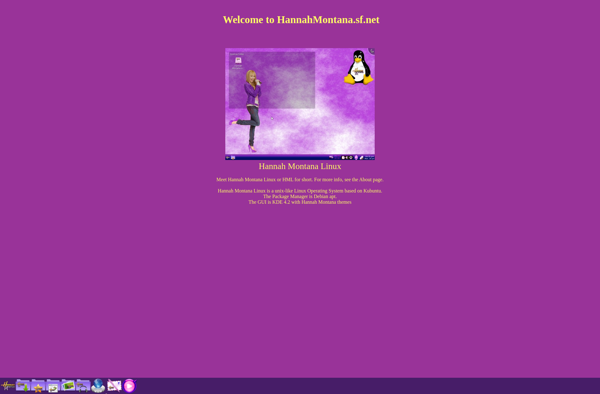
Hannah Montana Linux is a Linux distribution that was created in 2007 based on Kubuntu and aimed primarily at younger fans of the Hannah Montana media franchise. The creators added custom theming and audio/visual content from the popular 2000s Disney Channel television series in order to create an OS appealing...
gNewSense is a Linux distribution based on Ubuntu that strives to provide a completely free operating system to users. It is certified by the Free Software Foundation as a completely free distribution.The main difference between gNewSense and Ubuntu is that gNewSense has removed or replaced any proprietary software, drivers, firmware,...
Fuduntu was a Linux distribution based on Fedora that was active between 2010 and 2015. Its main goals were to provide a simplified and efficient Linux desktop experience.Some key features and characteristics of Fuduntu included:Used Fedora as its codebase but with custom optimizations and enhancementsFocused on providing a lightweight system...
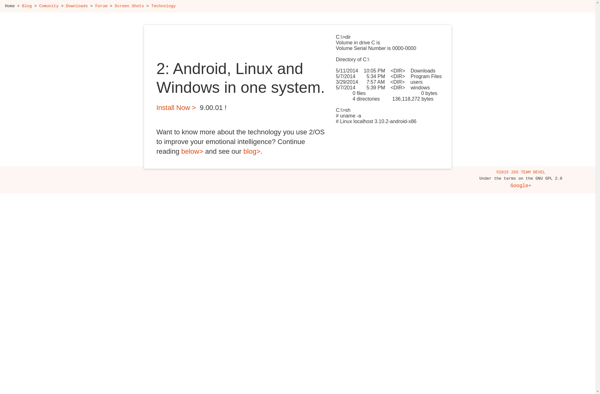
2/OS is an open source operating system launched in 2022 that focuses on user privacy and security. It is based on Linux and aims to provide an alternative to dominant closed-source operating systems like Windows and macOS.Some key features of 2/OS include:Built-in encryption for user files and communicationsOptions for anonymized...
ROSA Linux is a Linux distribution developed by ROSA Laboratory, a Russian company focused on open source software and Linux solutions. It is based on Red Hat Enterprise Linux and focuses on providing an easy-to-use desktop experience.Some key features and characteristics of ROSA Linux include:Uses RPM Package Manager for software...
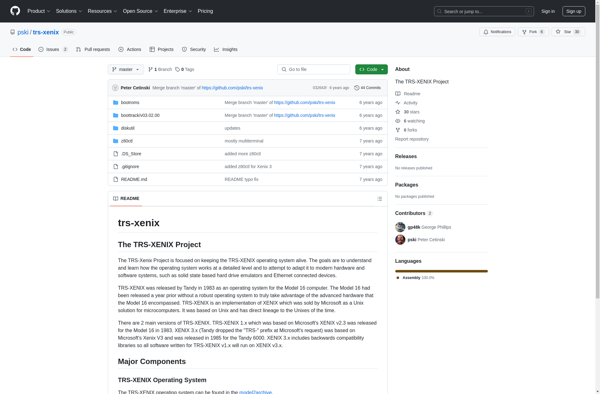
TRS-XENIX was a version of the UNIX operating system first released in 1984 for Tandy Corporation's TRS-80 line of personal computers. It was developed through a partnership between Tandy and Microsoft to bring a UNIX-like multitasking, multiuser operating system to the early personal computer market.XENIX was based on UNIX System...
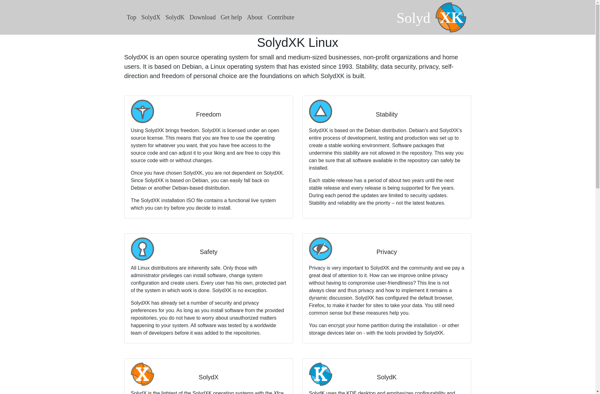
SolydXK is a Debian-based Linux distribution that focuses on being fast, lightweight, and easy to use while still providing a functional and full-featured desktop environment. Some key details about SolydXK:Uses the lightweight Xfce desktop environment, which provides good performance even on older hardwareVery customizable - the Xfce interface and included...
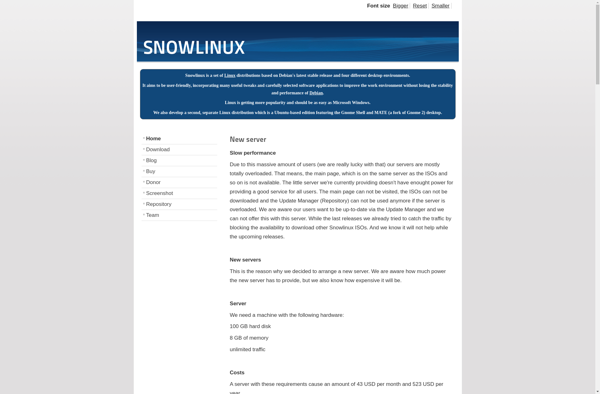
Snowlinux is a Debian/Ubuntu-based GNU/Linux distribution that focuses on providing an easy-to-use and lightweight operating system for desktop usage. It is designed specifically for beginners getting started with Linux.Some key features and characteristics of Snowlinux include:Uses the lightweight and customizable Xfce desktop environment by default for good performance on older...
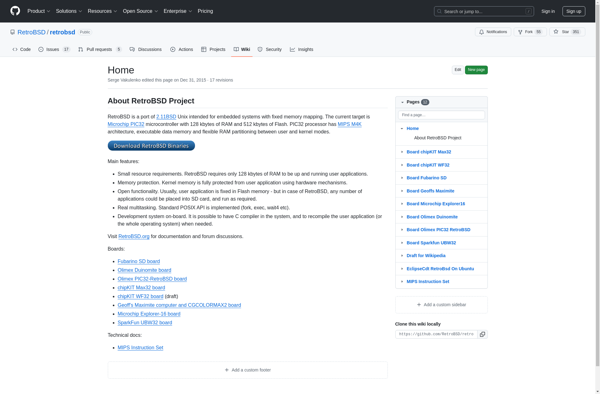
RetroBSD is an open source recreation of the historical BSD operating systems from the 1970s through early 1990s. It is designed to run on modern embedded systems and single board computers while retaining the look, feel, and functionality of older BSD releases.Some key features and goals of RetroBSD include:Lightweight -...
Infinitive OS is a privacy and security focused Linux distribution based on Ubuntu. It was created with the goal of providing users with an operating system that has enhanced privacy and security built-in, while still maintaining usability.Some of the key features of Infinitive OS that help improve privacy and security...
OpenIndiana is an open source operating system derived from Oracle's OpenSolaris distribution. It was launched in 2010 after Oracle announced it would discontinue active development of OpenSolaris. The OpenIndiana project aims to continue development of the illumos kernel, a core component of OpenSolaris, along with associated userland utilities and services.OpenIndiana...
DAMS OS is an open-source digital asset management system designed for organizations to manage their digital media assets efficiently. It allows users to upload, store, organize, search, retrieve and share various types of files such as images, videos, audio, documents, and more.Key features of DAMS OS include:Flexible metadata management -...
Point Linux is a desktop-oriented Linux distribution based on Debian. It aims to be fast, stable, and easy to use for novice and experienced Linux users alike.Some key features of Point Linux include:Uses the lightweight and customizable Xfce desktop environment by default.Carefully optimized for speed and responsiveness while remaining exceptionally...
Stella GNU/Linux is a desktop-oriented Linux distribution based on Debian that aims to provide a smooth experience for users new to Linux. It features the Xfce desktop environment for a balance between ease-of-use and flexibility.Some of Stella's key highlights include:Automated hardware detection during installation to make sure proper drivers and...
Cinux is a Linux distribution based on Ubuntu that is designed to provide a Windows-like user experience for those transitioning from Windows to Linux. It features the Cinnamon desktop environment, which provides a layout similar to Windows, complete with a start menu, taskbar, system tray, and more.Some of the key...
Sabayon is a Linux distribution designed to be beginner-friendly while still providing advanced features for experienced users. It is based on Gentoo Linux and utilizes a rolling release model, meaning users can continually update to the latest versions of software without needing to manually reinstall big new releases.One of the...
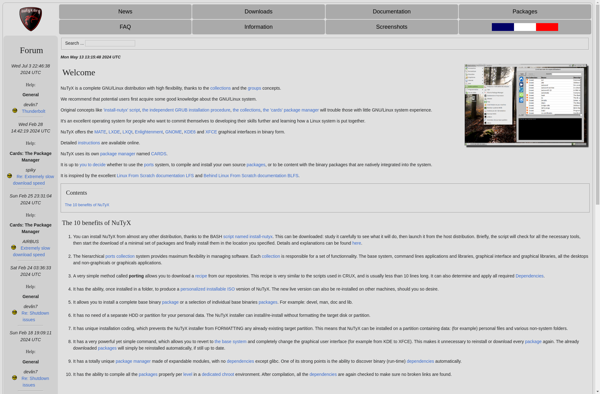
NuTyX is a Linux distribution built completely from source using the Linux From Scratch (LFS) documentation and scripts. It starts with a minimal base system and allows users to fully customize their Linux installation through compilation of included software packages or addition of external packages.Some key features of NuTyX include:Rolling...
Lychee Linux is an open source photo management software designed to allow users to easily organize, tag, and share their photo libraries. It is available for Windows, Linux, and as a web-based server that can be self-hosted. Lychee offers similar core functionality to commercial offerings like Google Photos, with support...
AriOS is a free, and open-source operating system designed for home servers, media centers, and NAS devices. It combines the power and stability of Linux with an intuitive web-based interface for easily monitoring and controlling your system. Features include: Running familiar home server applications like Nextcloud, Plex, Samba file sharing,...
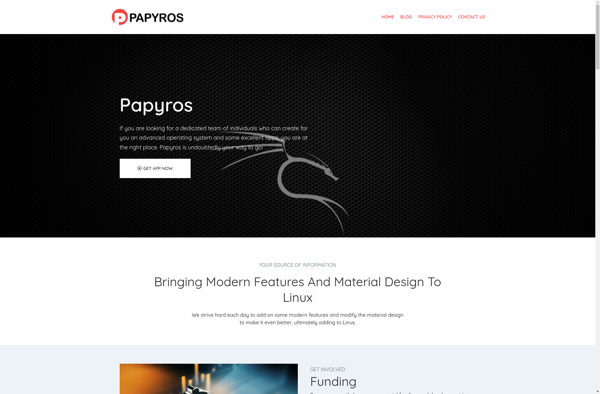
PapyrOS is a free and open-source operating system based on GNU/Linux focused on security, privacy and innovation. It aims to provide a lightweight, customizable desktop experience out of the box with careful attention to design and user experience.Some key features of PapyrOS include:Custom desktop environment built from scratch with focus...
Mozillux is an open-source web browser developed by the Mozillux Foundation. It is designed with a strong focus on user privacy and security while also providing a high degree of customizability.Powered by the Gecko layout engine, Mozillux displays web pages quickly and correctly according to web standards. It blocks trackers...
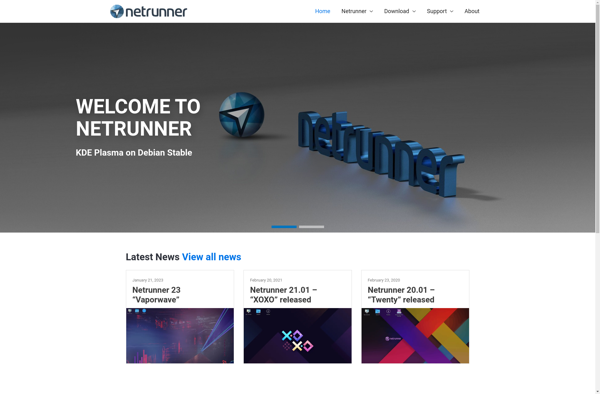
Netrunner is a Linux distribution based on Debian GNU/Linux that focuses on privacy, security and control. It comes with the KDE Plasma desktop environment and aims to provide an out-of-the-box usable operating system.Some key features of Netrunner include:Strong focus on privacy and anonymity through built-in support for Tor browser, I2P...
ChaletOS is a Linux distribution based on Xubuntu that aims to provide a fast, easy to use, and lightweight computing experience. Some key features of ChaletOS include:Uses the Xfce desktop environment, focused on being fast and lightweight while still easy to use.Includes software optimizations and tweaks to improve performance, especially...
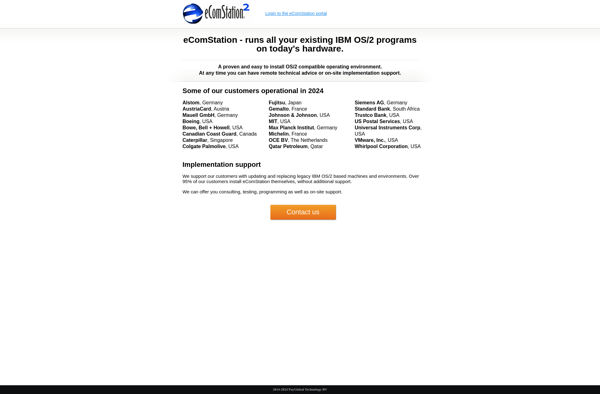
eComStation is an operating system first released in 2001 that is based on IBM's OS/2 Warp. It is designed to maintain compatibility and provide ongoing support for legacy business applications that were originally written for the OS/2 platform.A key goal of eComStation is preserving investment in OS/2 software. Many large...
LuksOS Grape is a Linux distribution based on Debian and focused on being easy to use for beginners while still being powerful for advanced users. Some key features include:Modern and intuitive user interface - Uses a customized GNOME desktop environment with simplified menus and settings.App store - Comes with a...
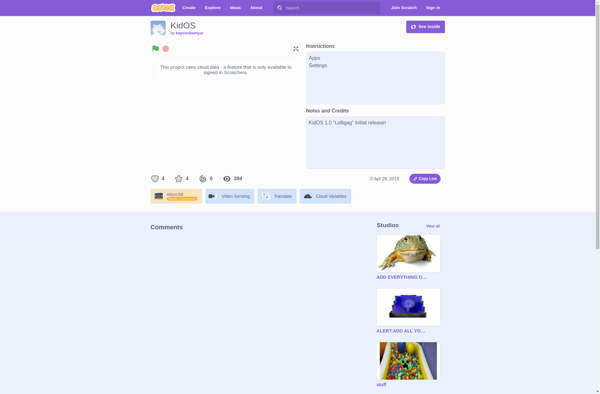
KidOS is a Linux distribution that has been customized to provide a child-friendly computing environment. It features:A simplified desktop interface with large, colorful icons for easy navigationParental controls to restrict access to certain applications or websitesEducational software and games pre-installed to help kids learn while using the computerWhitelisted app store...
Ameoba OS is a free, open-source Linux distribution focused on privacy protection and security. It was created in 2022 as an alternative to commercial operating systems that collect large amounts of user data.Key features of Ameoba OS include:Does not collect any user data or analytics. It respects user privacy by...
Minoca OS is a lightweight, open source operating system designed for the cloud computing era. It was created in 2012 with a focus on speed, efficiency, flexibility, and minimalism.Some key features of Minoca OS include:Small footprint - The base system is under 40MB, allowing it to run well on embedded...
Windows Millennium Edition (also referred to as Windows ME or WinME) was a major release in the Windows 9x line of operating systems released by Microsoft in September 2000. It was intended to be an updated consumer-focused operating system based on the Windows 98 kernel, positioned between the company's business-oriented...
Parsix is a desktop-oriented, Debian-based GNU/Linux distribution that focuses on providing a ready-to-use and easy-to-install operating system. The goal of Parsix is to provide a modern, stable, and robust operating system that is accessible to Linux beginners while still including the latest stable packages and technologies.Some key features and characteristics...
Frugalware is a general-purpose Linux distribution that aims to provide a complete Linux system for various types of users. Some key aspects of Frugalware include:Uses pacman as its package manager, similar to Arch Linux. Pacman provides capabilities like easy installation/removal of software and dependency handling.Follows a rolling release model, meaning...
Super OS is a Linux distribution based on Ubuntu and Debian. It was first released in 2019 by Super Soft Inc. as an operating system designed for ease-of-use and high performance.Some key features of Super OS include:Uses the GNOME desktop environment with a highly customized and streamlined user interfaceIncludes a...
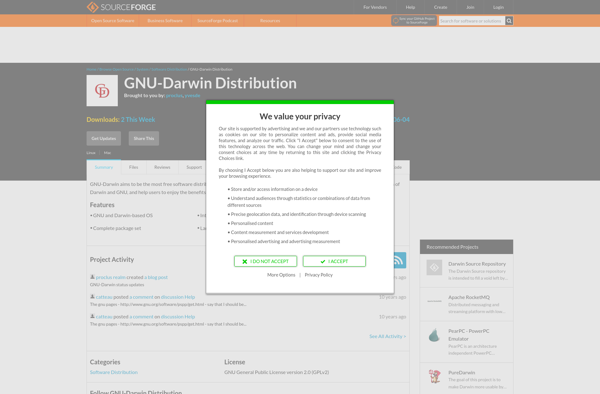
GNU-Darwin is an open source operating system based on the Darwin kernel, which is also used by macOS. It allows GNU and other open source software to run on Apple Macintosh computers.Some key features of GNU-Darwin include:Uses the Mach 3.0 kernel from Darwin, which is optimized for Mac hardwareIncludes GNU...
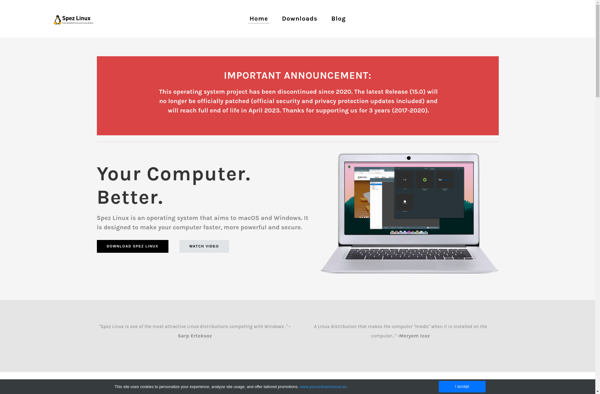
Spez Linux is a privacy and security focused Linux distribution based on Ubuntu. It aims to provide a user-friendly experience while still allowing advanced customization and hardening for experts.Some key features of Spez Linux include:Hardened kernels with security mitigations enabledTelemetry services disabled by defaultBundled privacy enhancing browser addons like uBlock...
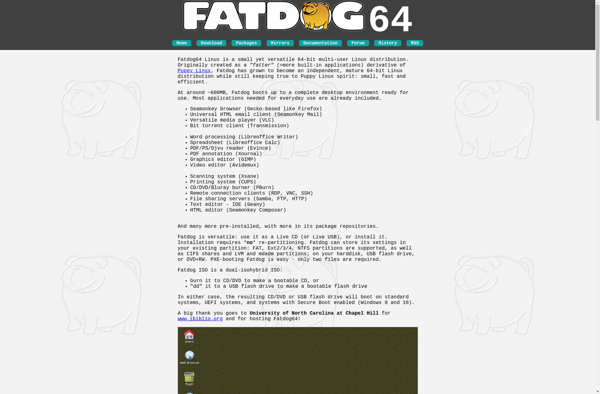
FatDog64 is a Linux distribution based on Slackware that focuses on providing a lightweight yet functional Linux desktop experience out of the box. Some key features of FatDog64 include:User-friendly graphical installer for easy installationCarefully optimized and tweaked for maximum performance and speedUses Fluxbox as the default window manager for a...
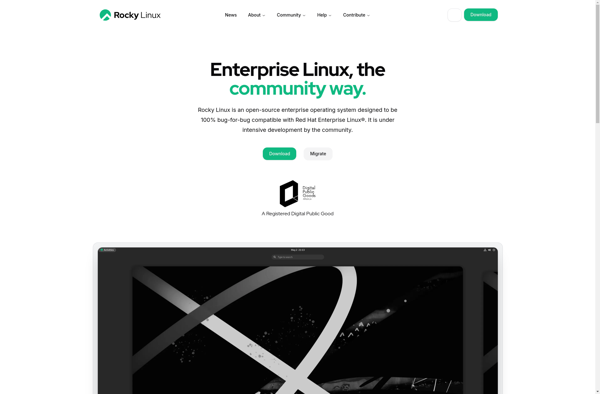
Rocky Linux is a Linux distribution built from the source code of Red Hat Enterprise Linux (RHEL). It is intended to provide a drop-in replacement for RHEL and the discontinued CentOS, allowing organizations to migrate existing workloads with minimal disruption.Some key facts about Rocky Linux:Launched in 2021 after Red Hat...
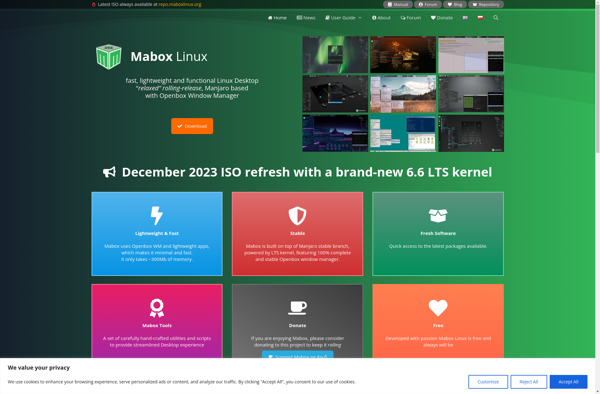
MaboxLinux is a Linux distribution based on Ubuntu that aims to provide a user-friendly desktop experience for new Linux users. It uses the lightweight Xfce desktop environment but has customized it with themes, icons, and additional tools to enhance usability.Some key features of MaboxLinux include:Custom themed Xfce desktop focused on...
Anarchy Installer is a Linux distribution based on Arch Linux and focuses on providing a simple graphical installation process and easy post-install configuration. Some key features of Anarchy Installer include:Uses a custom graphical installer called Anarchy to guide the user through setup and configurationInstalls a minimal base system with only...
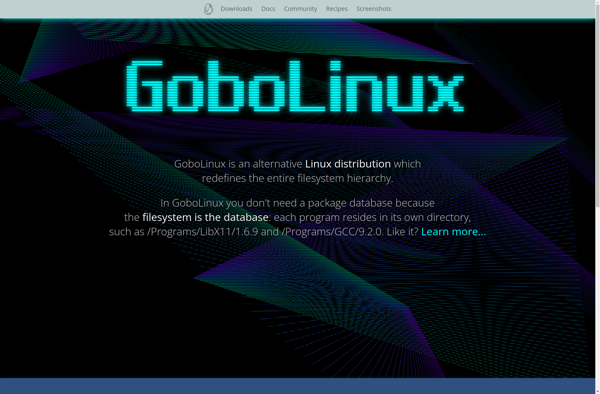
GoboLinux is a Linux distribution that takes a radically different approach to file system structure compared to traditional Linux distributions. Instead of following the standard Unix filesystem hierarchy that organizes system files based on where they are located on the system, GoboLinux organizes everything revolving around each program.So for example,...
Server Wala is a comprehensive server management and monitoring solution designed for SMBs. It provides an intuitive interface to handle common administrative tasks like user management, updates, backups, and more across Linux and Windows servers.Key features include:Centralized dashboard for all serversAutomated server provisioning and configurationSecurity patching and update managementAdvanced monitoring...
Unity Linux is a Linux distribution based on Ubuntu's long-term support (LTS) releases. It uses Ubuntu as a base while adding various customizations and enhancements focused on providing an elegant, user-friendly desktop experience.Some of the key features of Unity Linux include:Custom Unity Desktop environment focused on simplicity and ease-of-use.Enhanced desktop...
miniBSD is a compact, customizable operating system derived from FreeBSD. It retains the powerful features of FreeBSD while focusing on a minimal footprint, making it well-suited for embedded applications, routers, firewalls, and appliances.As a miniature version of FreeBSD, miniBSD preserves its advanced networking stack and security model while doing away...
Hanthana Linux is a Linux distribution that is based on CentOS. It aims to provide a stable, fast and light-weight Linux desktop experience for users. Some key features of Hanthana Linux include:Uses the Xfce desktop environment which is lightweight, customizable and easy to useIncludes software like LibreOffice, Firefox web browser,...
ZevenOS is a Debian-based Linux distribution that aims to provide a secure, easy-to-use, and elegant desktop experience. It is built on top of Ubuntu LTS releases and uses the lightweight Xfce desktop environment by default.Some of the key features of ZevenOS include:Careful selection of default applications like Firefox, LibreOffice, and...
Venenux is a lightweight Linux distribution based on Debian GNU/Linux. It is designed to provide a usable, secure, and privacy-respecting operating system for everyday computing needs.Some key features of Venenux include:Uses the lightweight and customizable Xfce desktop environment by defaultBased on Debian testing branch, featuring latest software versionsCustom Venenux user...
Windows 1.0 was the first version of Microsoft's Windows operating system. It was released on November 20, 1985 and initially sold for $100. Windows 1.0 provided a graphical user interface and multitasking capabilities for IBM PC compatible computers, when the standard operating environment was MS-DOS.The development of Windows began in...
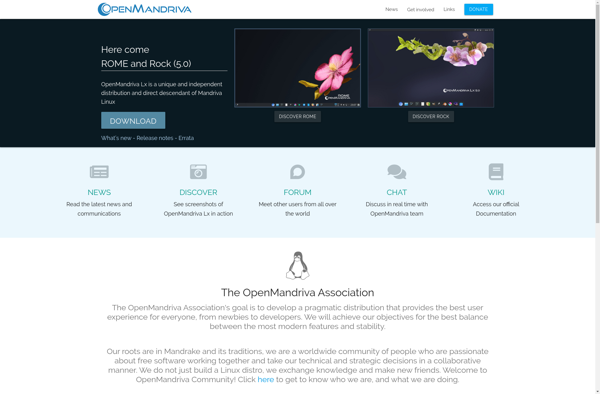
OpenMandriva Lx is a Linux distribution in the Mandriva Linux family. It was originally based on Mandriva Linux but is now completely separate and community-driven.Some key features and characteristics of OpenMandriva Lx:Uses the RPM Package Manager for software installation and managementComes with the KDE Plasma desktop environment by default but...
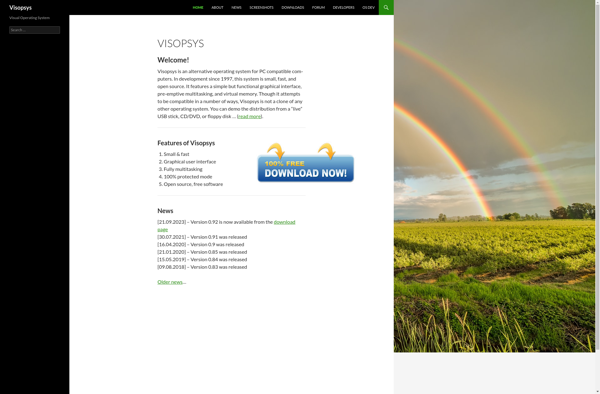
Visopsys is an open-source operating system built from scratch for x86 PCs. It is designed to be compatible with most hardware and drivers from existing operating systems like Linux and Windows.The main purpose of Visopsys is educational - to demonstrate and explain concepts behind operating system internals like kernel design,...
Symphony OS is an open-source operating system designed for personal computers with a focus on user privacy and security. Based on Linux, Symphony OS includes privacy tools like Tor and OpenSSL built directly into the OS to help protect user data and communications.The desktop environment in Symphony OS is designed...
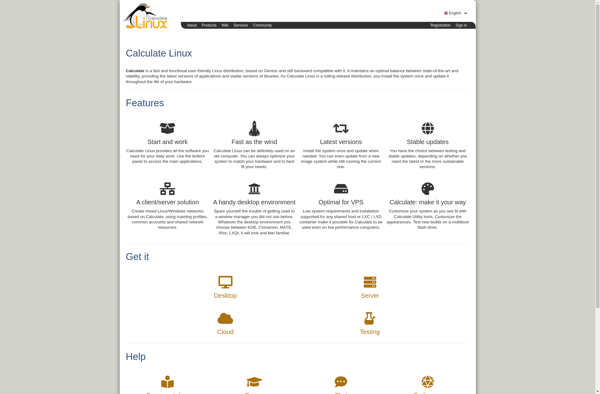
Calculate Linux is a Linux distribution built on top of Gentoo Linux. It focuses on providing a user-friendly, optimized and customizable desktop experience for daily use.Some key features of Calculate Linux include:Easy installation and setup with multiple options like full disk encryption and LVMChoice of lightweight desktop environments like Xfce,...
UberStudent Linux is an Ubuntu-based Linux distribution that aims to provide an out-of-the-box experience geared towards students and educators. It comes preinstalled with a collection of free and open-source software for education, including math, science, language learning, programming tools, dictionary apps, note-taking apps, mind mapping tools, and more.Some key features...
FyreLinux is a Linux distribution based on Debian that aims to provide a polished, customizable, and stable Linux experience. It uses the lightweight Xfce desktop environment by default but also offers variants with KDE Plasma and other desktops. Some key features of FyreLinux include:User-friendly graphical installerAutomatic hardware detection and configurationHandpicked...
UTUTO is a free and open-source Linux distribution based on Gentoo Linux. It was created specifically for cloud computing environments and focuses on providing a minimal, yet highly functional Linux operating system for running containers and virtual machines in the cloud.Some key features of UTUTO include:Very small disk and memory...
Karoshi is an open-source project management application designed for agile software development teams. It provides a range of features to help plan, organize and track work across projects, including:Kanban boards for visualizing work and team workflowsCustomizable tasks, issues and stories with details like descriptions, assignments, story points, priorities etc.Powerful search...
Dreamlinux is a Debian-based Linux distribution that aims to provide a user-friendly desktop operating system. It focuses on being easy to install, offering good desktop performance, and having strong multimedia support out of the box.Some key features of Dreamlinux include:Uses the custom-developed Dreamlinux Desktop Environment which aims for simplicity and...
Lunar Linux is a source-based Linux distribution that aims to provide a simple, yet highly customizable system. Some key features and characteristics of Lunar Linux include:Uses a modular package management system called 'modules' that allows easy installation and removal of software packages built from source codeFocused on minimalism - starts...
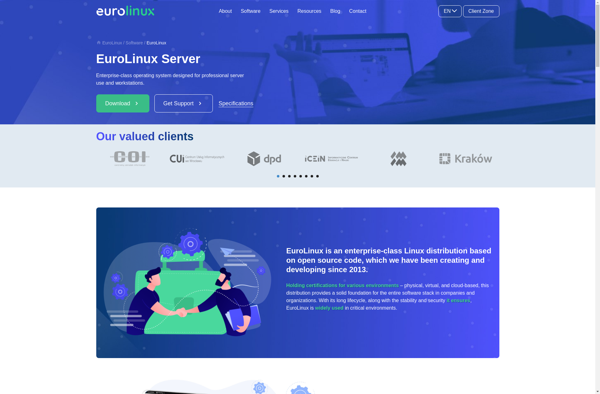
EuroLinux is a community-driven Linux distribution that provides a drop-in replacement for Red Hat Enterprise Linux (RHEL) without any licensing fees or restrictions. It is built from the same source code as RHEL, so it is 100% compatible with RHEL packages, configurations, and applications.EuroLinux emerged as a response to IBM's...
The Korora Project is a Linux distribution that aims to make Linux easier for new users while still appealing to experienced Linux users. It is based on Fedora and comes preconfigured with a wide range of useful software for everyday computing, gaming, social networking, productivity, and more.Some key features of...