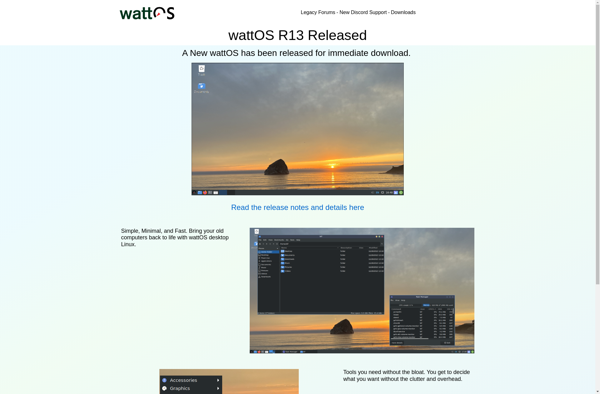
WattOS is a lightweight Linux distribution based on Ubuntu that focuses on energy efficiency and power saving. It comes with the TLP power management tool pre-installed and configured for optimal battery life on laptops.
A highly optimized version of Ubuntu, WattOS prioritizes energy efficiency and power saving with the TLP power management tool for optimal battery life.
What is WattOS?
WattOS is a Debian-based Linux distribution developed specifically for older computers and laptops to improve energy efficiency and battery life. The operating system uses a highly customized Xfce desktop environment optimized for lower resource usage. The main goal of WattOS is to revive older hardware and extend its usable lifetime by reducing power consumption.
Some of the key features of WattOS aimed at power saving include the preconfigured TLP power management tool, a customized Linux kernel, optimized device drivers, and a minimal set of lightweight applications. It comes with browser plugins to improve web browsing performance on older systems. The interface and apps are designed for simplicity and ease-of-use.
By providing an Ubuntu-based distro tailored for underpowered devices, WattOS strives to reduce e-waste and promotes the green computing movement. The lightweight OS allows using older desktops, laptops, and netbooks for basic tasks instead of retiring them early. With its focus on power efficiency, WattOS is best suited for reviving aging hardware and improving its battery life.
WattOS Features
Features
Based on Ubuntu LTS
Uses lightweight Xfce desktop environment
Pre-configured for power efficiency and battery life optimization
Comes with TLP power management tool pre-installed
Supports laptop mode and other power saving features
Uses less memory and CPU than standard Ubuntu
Good for older hardware or limited resources
Pricing
Free
Open Source
Pros
Improved battery life on laptops
Lower resource usage
Lightweight and fast
Easy to use for Ubuntu/Debian users
Good for reviving old hardware
Cons
Smaller community and fewer support resources than main Ubuntu
Fewer packages available compared to full Ubuntu archives
Less frequent updates than main Ubuntu versions
Limited customization compared to other Ubuntu flavors
Windows 10 is the latest version of Microsoft's operating system, released in 2015. It builds on the core foundations of Windows 7 and 8 and brings back the familiar Start menu while also introducing new features.Some key new features and improvements in Windows 10 include:The return of the Start Menu...
Ubuntu is one of the most popular Linux distributions available today. It is based on Debian and completely free and open source. Some key points about Ubuntu:It has an easy to use and intuitive interface, making it great for Linux beginners.It has a wide variety of official flavors featuring different...
Linux Mint is a Linux distribution built on top of Ubuntu that aims to provide a more complete out-of-the-box experience. Some key aspects of Linux Mint include:User-friendly desktop environment with a familiar workflow for Windows usersComes with a lot of pre-installed software for common tasks like office productivity, internet browsing,...
Arch Linux is a lightweight, flexible Linux distribution designed for experienced Linux users who want control and customization of their system. Some key features of Arch Linux include:Rolling release model - Arch gets continuous updates rather than point releases, ensuring you always have the latest software.Uses Pacman package manager -...
elementary OS is a Linux distribution based on Ubuntu that focuses on providing a fast, open, and privacy-respecting computing experience. It comes with a custom desktop environment called Pantheon that features a sleek and intuitive user interface designed for productivity.Some key features of elementary OS include:An app store called AppCenter...
Debian is one of the oldest and most popular Linux distributions available today. First released in 1993, it is known for its stability, commitment to free software principles, and huge repository of over 50,000 software packages.Some key facts about Debian:It is developed by a worldwide community of volunteers working together...
Fedora is a Linux distribution developed by the Fedora Project and sponsored by Red Hat. It is one of the most popular community-driven Linux distributions and is known for showcasing the latest innovations in open source software on a stable and easy-to-manage platform.Some key features of Fedora include:Uses the RPM...
Manjaro Linux is an open source, independently developed GNU/Linux distribution based on Arch Linux. It aims to provide an accessible entry point for new Linux users, while maintaining the DIY spirit and technical simplicity that Arch Linux is known for.Some key features of Manjaro Linux include:User-friendly graphical installers for quick...
openSUSE is a versatile Linux distribution that can be used on desktops, laptops, and servers. It focuses on being easy to use, having up-to-date software packages, and providing flexibility for different types of users.Some key features and information about openSUSE:Sponsored by SUSE Linux and other companies, but community-developedRegular release cycle...
Pop!_OS is a Linux distribution developed by computer manufacturer System76. It is based on Ubuntu and uses the GNOME desktop environment.Some key features of Pop!_OS include:Custom GNOME desktop theme and system improvements designed for an optimal workflow.Good hardware compatibility, especially with System76 hardware.Streamlined window and workspace management using keyboard shortcuts...
Kubuntu is an officially recognized flavor of the Ubuntu Linux distribution that features the KDE Plasma desktop environment instead of Ubuntu's default GNOME desktop. Kubuntu provides a user-friendly, customizable, and visually appealing desktop experience powered by the latest KDE Plasma technologies.Some key features and characteristics of Kubuntu include:Uses the lightweight...
Xubuntu is an official community edition of the Ubuntu operating system that comes with the Xfce desktop environment preinstalled instead of Ubuntu's default GNOME desktop. Xubuntu uses the same software repositories as Ubuntu, so it is just as easy to use and provides a similar user experience, but it is...