Enso OS is a Linux distribution designed specifically for personal and home use. It focuses on simplicity, ease of use, and customization, while still providing access to advanced features.
What is Enso OS?
Enso OS is a Linux distribution based on Ubuntu that is designed for home and personal use. It aims to provide a simple, intuitive, yet powerful operating system for everyday computing needs.
Some key features of Enso OS include:
Custom desktop environment focused on usability and aesthetics
Application store for easy access to common software
Tools for personalization and customization such as themes, icon packs, etc.
Optimized for desktop and laptop systems
Automatic hardware detection and driver installation
Tight integration with online accounts for syncing data
Family safety features for filtering content
Backup utilities are built-in
The goals of Enso OS are to lower the barrier to entry for Linux, provide an attractive and user-friendly computing environment for home users, offer useful software applications out of the box, and make routine tasks simple to accomplish. It aims to combine the stability and flexibility of Linux with the usability of commercial operating systems.
Enso OS Features
Features
Simple and intuitive user interface
Based on Xfce desktop environment
Customizable look and feel
App Store for easy software installation
Supports most common hardware and peripherals
Secure by default with AppArmor enabled
Built-in firewall and virus protection
Pricing
Free
Open Source
Pros
Very easy to use, ideal for Linux beginners
Fast and lightweight
Good selection of default applications
Active community support
Cons
Limited selection of pre-installed software
May not suit more advanced Linux users
Relatively new distro, long-term support uncertain
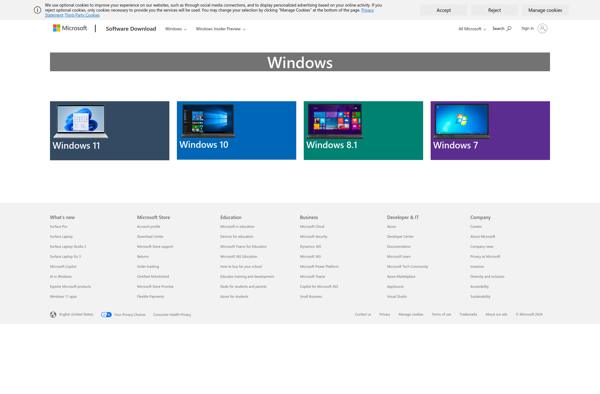
Windows 7 is a personal computer operating system that was produced by Microsoft as part of the Windows NT family of operating systems. It was released to manufacturing in July 2009 and became generally available in October 2009 as the successor to Windows Vista.Some of the key features and improvements...
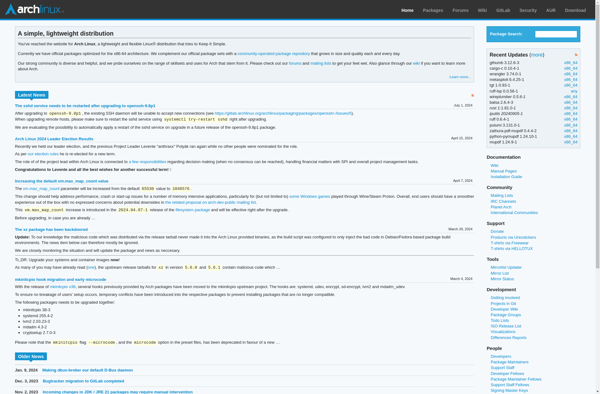
Arch Linux is a lightweight, flexible Linux distribution designed for experienced Linux users who want control and customization of their system. Some key features of Arch Linux include:Rolling release model - Arch gets continuous updates rather than point releases, ensuring you always have the latest software.Uses Pacman package manager -...
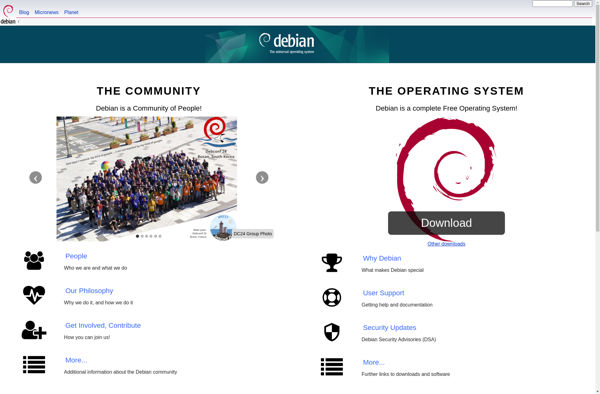
Debian is one of the oldest and most popular Linux distributions available today. First released in 1993, it is known for its stability, commitment to free software principles, and huge repository of over 50,000 software packages.Some key facts about Debian:It is developed by a worldwide community of volunteers working together...
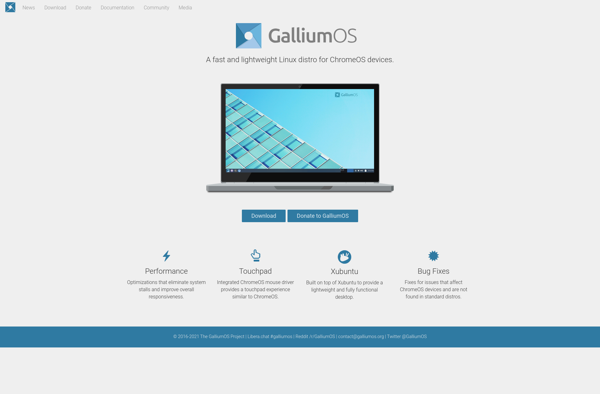
GalliumOS is a Linux distribution based on Xubuntu that is specifically optimized for Chromebooks and Chromebox devices. Some key features of GalliumOS include:Lightweight and fast - Uses the Xfce desktop environment and optimized kernel for improved performance on Chromebook hardware.Made for Chromebooks - GalliumOS is designed to take full advantage...
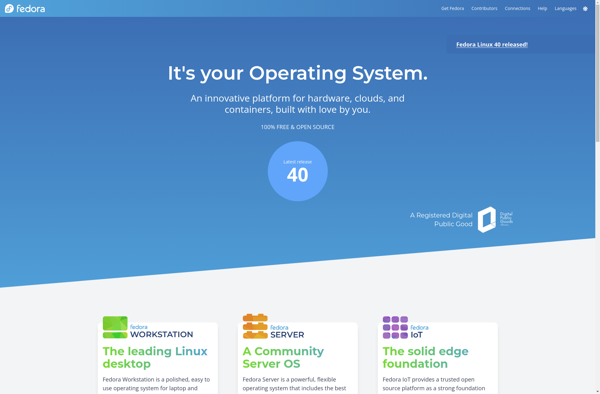
Fedora is a Linux distribution developed by the Fedora Project and sponsored by Red Hat. It is one of the most popular community-driven Linux distributions and is known for showcasing the latest innovations in open source software on a stable and easy-to-manage platform.Some key features of Fedora include:Uses the RPM...
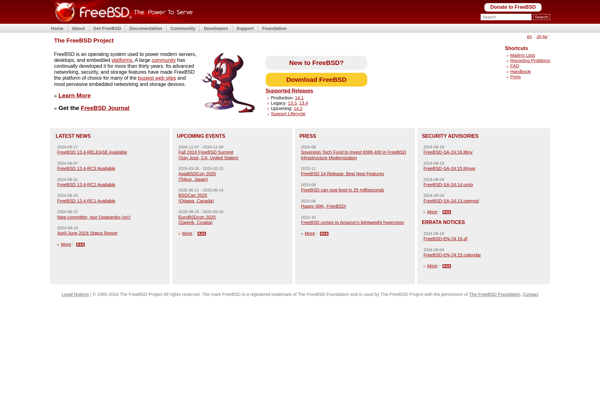
FreeBSD is an advanced open source computer operating system used for modern servers, desktops, and embedded platforms. Originally derived from BSD Unix, FreeBSD offers compatibility with a wide range of applications and drivers while providing advanced performance, security, and networking features.Some key aspects of FreeBSD include:Excellent stability and reliability based...
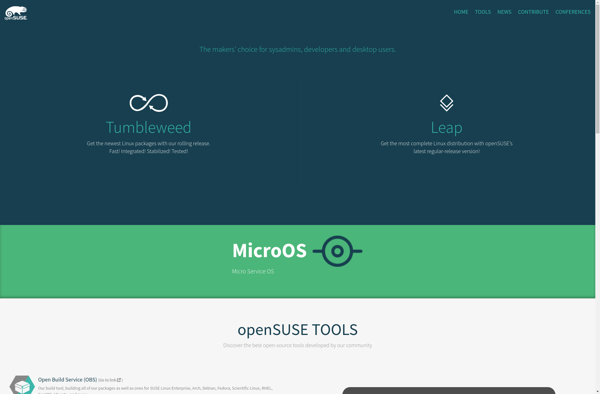
openSUSE is a versatile Linux distribution that can be used on desktops, laptops, and servers. It focuses on being easy to use, having up-to-date software packages, and providing flexibility for different types of users.Some key features and information about openSUSE:Sponsored by SUSE Linux and other companies, but community-developedRegular release cycle...
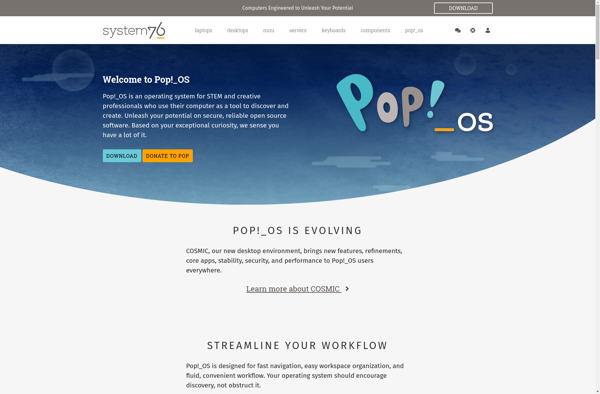
Pop!_OS is a Linux distribution developed by computer manufacturer System76. It is based on Ubuntu and uses the GNOME desktop environment.Some key features of Pop!_OS include:Custom GNOME desktop theme and system improvements designed for an optimal workflow.Good hardware compatibility, especially with System76 hardware.Streamlined window and workspace management using keyboard shortcuts...
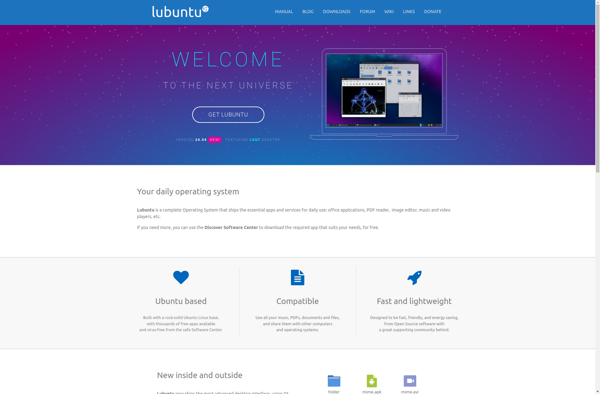
Lubuntu is a Linux distribution based on Ubuntu that uses the lightweight LXDE desktop environment. Some key facts about Lubuntu:It has lower system requirements than standard Ubuntu, making it a good choice for older computers or hardware with limited resources.Uses the LXDE desktop environment which is lightweight, fast, and energy-efficient.Includes...
Red Hat Enterprise Linux (RHEL) is a Linux distribution developed by Red Hat focused on stability, reliability, long-term support, and security for enterprise use. Some key features of RHEL include:Long term support releases with 10 years of maintenance and updates providedCertification for running business-critical applications and workloadsAdvanced package management using...
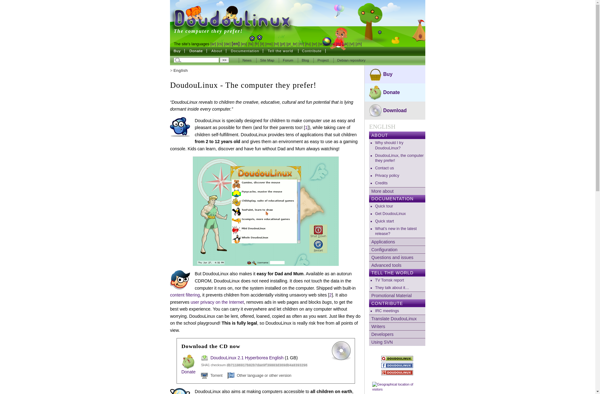
Doudou Linux is a Debian-based Linux distribution that is tailored specifically for children as young as 2 years old. Its interface features large, colorful icons, an intuitive layout, and child-friendly themes to make it easy for kids to find and launch their favorite games and applications.A key focus of Doudou...
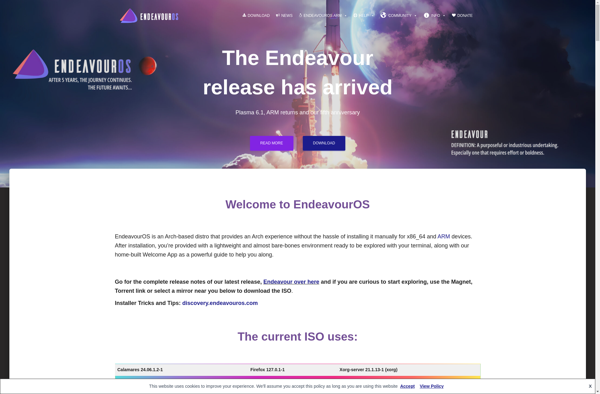
EndeavourOS is a rolling release Linux distribution based on Arch Linux. It aims to provide an easy-to-install system while still maintaining the DIY spirit of Arch. EndeavourOS features a graphical installer called Calamares that enables effortless installation compared to the complexity of installing vanilla Arch Linux.By default, EndeavourOS uses the...
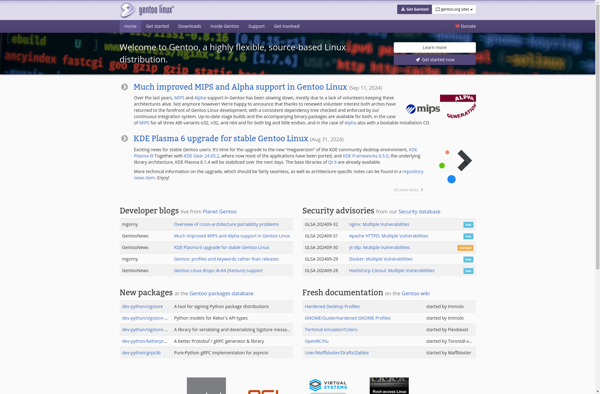
Gentoo is a versatile and fast Linux distribution that is built specifically for each machine it is installed on. It aims to provide a great deal of flexibility and customization options by using the Portage package management system to compile software from source code.Some key features of Gentoo include:Performance optimization...
HandyLinux is a Debian-based Linux distribution that focuses on accessibility, ease of use, and privacy. It was created in 2013 by a team of developers who wanted to make Linux more usable for people with physical and cognitive disabilities.Some key features of HandyLinux include:Fully customizable desktop environment designed for impaired...