KDE neon is a Linux distribution based on Ubuntu that features the latest KDE Plasma desktop environment and KDE applications. It provides a pure KDE experience with a minimal base system focused on speed and performance.
Linux distribution based on Ubuntu, featuring the latest KDE Plasma desktop environment and applications, for a pure KDE experience with speed and performance
What is KDE neon?
KDE neon is a Linux distribution developed by KDE primarily to showcase the latest KDE Plasma desktop environment and KDE software. It is based on the Ubuntu long-term support (LTS) releases and uses Ubuntu's infrastructure and package archives.
Some key features of KDE neon include:
Ships with the latest KDE Plasma desktop and applications while still being stable enough for daily use thanks to Ubuntu LTS base
Minimal base system with focus on speed and performance
Easy to install and use while offering customization options for advanced Linux users
Supports both x86_64 and ARM architectures
Uses low RAM and is lightweight compared to Ubuntu and Kubuntu
Includes additional tools and scripts for managing KDE development environments
KDE neon is best suited for Linux users looking for a fast and lightweight distro to showcase the latest KDE software or participate in KDE projects. The integration of Ubuntu LTS base provides stability for daily usage as a desktop OS. The minimal customizations allow flexibility to adjust the system as per one's needs.
KDE neon Features
Features
Latest KDE Plasma desktop environment
Minimal base system focused on speed and performance
Based on Ubuntu LTS releases
Ships the latest KDE applications
Uses a stable Ubuntu base with newer KDE packages
Provides a pure KDE experience out of the box
Easy to install and use
Pricing
Free
Open Source
Pros
Very fast and responsive desktop experience
Stable and reliable base system
Always up-to-date KDE software
Customizable and user-friendly desktop
Great for KDE fans and Linux enthusiasts
Active community support
Cons
Limited software selection compared to full Ubuntu
Less tested than Ubuntu for stability
May encounter occasional bugs with latest KDE software
Requires some Linux knowledge for setup and maintenance
Ubuntu is one of the most popular Linux distributions available today. It is based on Debian and completely free and open source. Some key points about Ubuntu:It has an easy to use and intuitive interface, making it great for Linux beginners.It has a wide variety of official flavors featuring different...
macOS is the operating system created and developed by Apple Inc. exclusively for its Macintosh computers and laptops. It was originally named Mac OS X until 2012 and then OS X until 2016, when Apple renamed it to macOS to bring it inline with the branding of its other operating...
Linux Mint is a Linux distribution built on top of Ubuntu that aims to provide a more complete out-of-the-box experience. Some key aspects of Linux Mint include:User-friendly desktop environment with a familiar workflow for Windows usersComes with a lot of pre-installed software for common tasks like office productivity, internet browsing,...
Arch Linux is a lightweight, flexible Linux distribution designed for experienced Linux users who want control and customization of their system. Some key features of Arch Linux include:Rolling release model - Arch gets continuous updates rather than point releases, ensuring you always have the latest software.Uses Pacman package manager -...
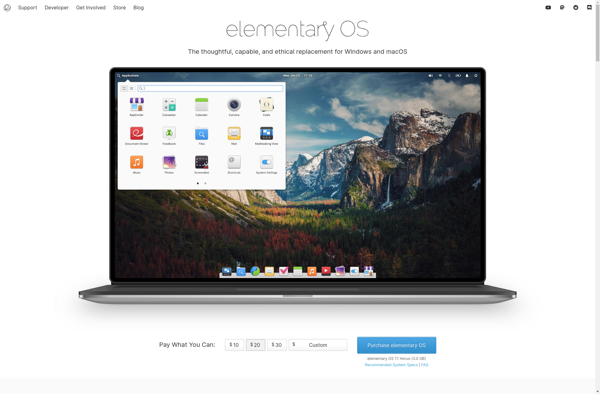
elementary OS is a Linux distribution based on Ubuntu that focuses on providing a fast, open, and privacy-respecting computing experience. It comes with a custom desktop environment called Pantheon that features a sleek and intuitive user interface designed for productivity.Some key features of elementary OS include:An app store called AppCenter...
Debian is one of the oldest and most popular Linux distributions available today. First released in 1993, it is known for its stability, commitment to free software principles, and huge repository of over 50,000 software packages.Some key facts about Debian:It is developed by a worldwide community of volunteers working together...
Fedora is a Linux distribution developed by the Fedora Project and sponsored by Red Hat. It is one of the most popular community-driven Linux distributions and is known for showcasing the latest innovations in open source software on a stable and easy-to-manage platform.Some key features of Fedora include:Uses the RPM...
Manjaro Linux is an open source, independently developed GNU/Linux distribution based on Arch Linux. It aims to provide an accessible entry point for new Linux users, while maintaining the DIY spirit and technical simplicity that Arch Linux is known for.Some key features of Manjaro Linux include:User-friendly graphical installers for quick...
openSUSE is a versatile Linux distribution that can be used on desktops, laptops, and servers. It focuses on being easy to use, having up-to-date software packages, and providing flexibility for different types of users.Some key features and information about openSUSE:Sponsored by SUSE Linux and other companies, but community-developedRegular release cycle...
Pop!_OS is a Linux distribution developed by computer manufacturer System76. It is based on Ubuntu and uses the GNOME desktop environment.Some key features of Pop!_OS include:Custom GNOME desktop theme and system improvements designed for an optimal workflow.Good hardware compatibility, especially with System76 hardware.Streamlined window and workspace management using keyboard shortcuts...
Matriux is an open-source decentralized platform built using peer-to-peer technology. Its goal is to enable communities and networks to communicate and collaborate freely without the risk of censorship.Some key features of Matriux include encrypted messaging, forums, media sharing, commerce and payments. It uses advanced cryptographic techniques to ensure privacy and...
Kubuntu is an officially recognized flavor of the Ubuntu Linux distribution that features the KDE Plasma desktop environment instead of Ubuntu's default GNOME desktop. Kubuntu provides a user-friendly, customizable, and visually appealing desktop experience powered by the latest KDE Plasma technologies.Some key features and characteristics of Kubuntu include:Uses the lightweight...
Xubuntu is an official community edition of the Ubuntu operating system that comes with the Xfce desktop environment preinstalled instead of Ubuntu's default GNOME desktop. Xubuntu uses the same software repositories as Ubuntu, so it is just as easy to use and provides a similar user experience, but it is...
Viperr is a next-generation anti-malware and antivirus software designed to protect Windows computers from all types of malware threats. It uses advanced behavioral analysis technology to monitor system activity for suspicious behaviors that indicate malware infection.Unlike traditional signature-based antivirus software, Viperr doesn't rely on malware definitions. Instead, it builds a...
Mythbuntu is a specialized version of the Ubuntu Linux operating system designed for building a home theater PC (HTPC). It includes the MythTV media center software as its main component which provides an intuitive interface for managing your digital media library of videos, music, and photos.Key features of Mythbuntu include:Easy...
Funtoo Linux is a source-based, general purpose Linux distribution that branched from Gentoo Linux in 2008. It was founded by Daniel Robbins, the creator of Gentoo Linux, as an independent project with a strong focus on ongoing innovation and improvement.Like Gentoo, Funtoo utilizes a ports-based build system called Metro that...