OpenIndiana is an open source operating system derived from OpenSolaris. It aims to continue the development of the illumos kernel and associated software after Oracle discontinued the OpenSolaris distribution. OpenIndiana is a community-driven project suitable for developers, ad
OpenIndiana: Community-Driven OS Derived from OpenSolaris
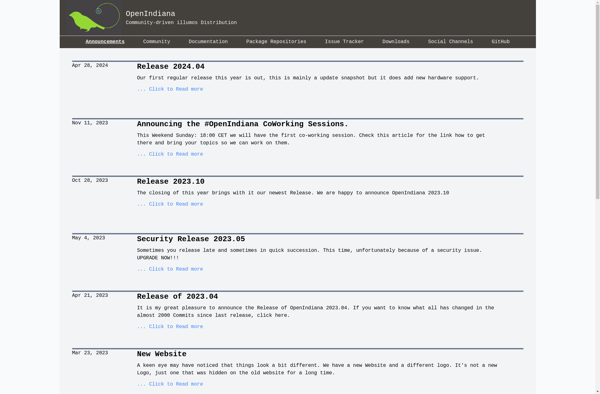
OpenIndiana is an open source operating system derived from OpenSolaris. It aims to continue the development of the illumos kernel and associated software after Oracle discontinued the OpenSolaris distribution. OpenIndiana is a community-driven project suitable for developers, administrators, and advanced users.
What is OpenIndiana?
OpenIndiana is an open source operating system derived from Oracle's OpenSolaris distribution. It was launched in 2010 after Oracle announced it would discontinue active development of OpenSolaris. The OpenIndiana project aims to continue development of the illumos kernel, a core component of OpenSolaris, along with associated userland utilities and services.
OpenIndiana is based on open source code with a focus on stability, security, and enterprise-level features. Some key aspects include:
Uses illumos, a community-developed OpenSolaris kernel
ZFS file system with snapshotting, cloning, and data integrity checks
Advanced networking and virtualization capabilities
Package management through Image Packaging System (IPS)
OpenIndiana is suitable for developers, system administrators, and advanced users looking for an enterprise-capable open source Solaris-based operating system alternative. The project is community-driven by a non-profit organization and available free of cost with an open development model.
OpenIndiana Features
Features
Based on illumos, a fork of OpenSolaris
Supports ZFS filesystem
Supports zones (containers)
Uses IPS package manager
Includes desktop environments like MATE and KDE Plasma
Windows 10 is the latest version of Microsoft's operating system, released in 2015. It builds on the core foundations of Windows 7 and 8 and brings back the familiar Start menu while also introducing new features.Some key new features and improvements in Windows 10 include:The return of the Start Menu...
Ubuntu is one of the most popular Linux distributions available today. It is based on Debian and completely free and open source. Some key points about Ubuntu:It has an easy to use and intuitive interface, making it great for Linux beginners.It has a wide variety of official flavors featuring different...
macOS is the operating system created and developed by Apple Inc. exclusively for its Macintosh computers and laptops. It was originally named Mac OS X until 2012 and then OS X until 2016, when Apple renamed it to macOS to bring it inline with the branding of its other operating...
Linux Mint is a Linux distribution built on top of Ubuntu that aims to provide a more complete out-of-the-box experience. Some key aspects of Linux Mint include:User-friendly desktop environment with a familiar workflow for Windows usersComes with a lot of pre-installed software for common tasks like office productivity, internet browsing,...
Arch Linux is a lightweight, flexible Linux distribution designed for experienced Linux users who want control and customization of their system. Some key features of Arch Linux include:Rolling release model - Arch gets continuous updates rather than point releases, ensuring you always have the latest software.Uses Pacman package manager -...
elementary OS is a Linux distribution based on Ubuntu that focuses on providing a fast, open, and privacy-respecting computing experience. It comes with a custom desktop environment called Pantheon that features a sleek and intuitive user interface designed for productivity.Some key features of elementary OS include:An app store called AppCenter...
Debian is one of the oldest and most popular Linux distributions available today. First released in 1993, it is known for its stability, commitment to free software principles, and huge repository of over 50,000 software packages.Some key facts about Debian:It is developed by a worldwide community of volunteers working together...
Fedora is a Linux distribution developed by the Fedora Project and sponsored by Red Hat. It is one of the most popular community-driven Linux distributions and is known for showcasing the latest innovations in open source software on a stable and easy-to-manage platform.Some key features of Fedora include:Uses the RPM...
openSUSE is a versatile Linux distribution that can be used on desktops, laptops, and servers. It focuses on being easy to use, having up-to-date software packages, and providing flexibility for different types of users.Some key features and information about openSUSE:Sponsored by SUSE Linux and other companies, but community-developedRegular release cycle...
Kubuntu is an officially recognized flavor of the Ubuntu Linux distribution that features the KDE Plasma desktop environment instead of Ubuntu's default GNOME desktop. Kubuntu provides a user-friendly, customizable, and visually appealing desktop experience powered by the latest KDE Plasma technologies.Some key features and characteristics of Kubuntu include:Uses the lightweight...
Xubuntu is an official community edition of the Ubuntu operating system that comes with the Xfce desktop environment preinstalled instead of Ubuntu's default GNOME desktop. Xubuntu uses the same software repositories as Ubuntu, so it is just as easy to use and provides a similar user experience, but it is...
Devuan is a Linux distribution forked from Debian in 2015. It was created by a group of Debian developers who opposed Debian's switch to using systemd as the default init system. Devuan continues to use the traditional sysvinit init system instead.Some of the key features and characteristics of Devuan include:Forked...