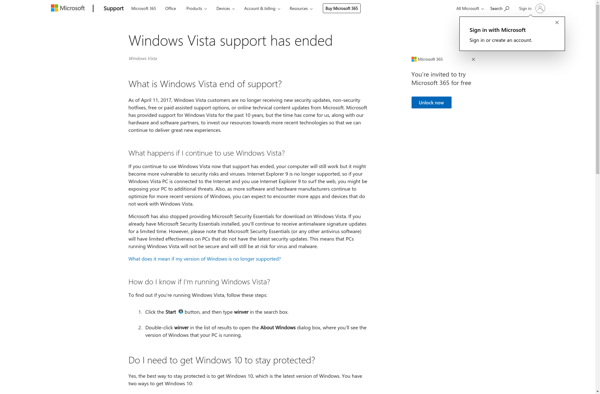
Windows Vista is a personal computer operating system released by Microsoft in 2007. It has improved security features over previous Windows versions and introduced a redesigned user interface as well as visual effects. However, it was criticized for performance issues.
Personal computer operating system released by Microsoft in 2007 with enhanced security features and a revamped user interface, introducing visual effects, but criticized for performance issues.
What is Windows Vista?
Windows Vista is a personal computer operating system released by Microsoft on January 30, 2007. It was the successor to Windows XP and was followed by Windows 7 in 2009. Some of the key features and improvements of Windows Vista included:
A redesigned user interface called Windows Aero with transparency effects and navigation improvements
Enhanced security features such as User Account Control and new networking protections
Better file search and organization tools such as instant search and libraries
Multimedia creation tools like Windows DVD Maker and Windows Media Center
Support for new hardware like high-capacity storage devices, 5.1 surround sound, and internet connectivity tools
However, Windows Vista was criticized by users for some disadvantages after its release:
Higher system requirements resulted in slower performance on previous generation hardware
Inconsistent user experience because many existing programs did not fully support new Vista features
More system permission prompts interrupted workflow and reduced productivity
Driver compatibility issues led to hardware glitches for some users
Overall, while innovative in some areas, Windows Vista faced challenges with application compatibility, performance, and user reception. It paved the way for much better refinement in Windows 7.
Windows Vista Features
Features
Aero graphical user interface
Windows Security Center
User Account Control
Windows Defender
Parental controls
Windows Sidebar
Windows Photo Gallery
Windows Movie Maker
Windows Mail
Windows Calendar
Windows Contacts
Windows DVD Maker
Windows Media Center
Internet Explorer 7
Windows Media Player 11
Windows SideShow
Windows Fax and Scan
Windows Meeting Space
Windows Ultimate Extras
Windows Mobility Center
ReadyBoost
SuperFetch
BitLocker Drive Encryption
Windows Firewall
Network Access Protection
Windows Update
Windows Anytime Upgrade
Windows Speech Recognition
Windows Vista editions (Starter, Home Basic, Home Premium, Business, Enterprise, Ultimate)
Pricing
One-time purchase
Pros
Improved security features
Redesigned user interface
Enhanced search features
Better multimedia capabilities
Support for latest hardware
Cons
High system requirements
Performance issues
Incompatibility with some older hardware and software
Windows 10 is the latest version of Microsoft's operating system, released in 2015. It builds on the core foundations of Windows 7 and 8 and brings back the familiar Start menu while also introducing new features.Some key new features and improvements in Windows 10 include:The return of the Start Menu...
Ubuntu is one of the most popular Linux distributions available today. It is based on Debian and completely free and open source. Some key points about Ubuntu:It has an easy to use and intuitive interface, making it great for Linux beginners.It has a wide variety of official flavors featuring different...
macOS is the operating system created and developed by Apple Inc. exclusively for its Macintosh computers and laptops. It was originally named Mac OS X until 2012 and then OS X until 2016, when Apple renamed it to macOS to bring it inline with the branding of its other operating...
Linux Mint is a Linux distribution built on top of Ubuntu that aims to provide a more complete out-of-the-box experience. Some key aspects of Linux Mint include:User-friendly desktop environment with a familiar workflow for Windows usersComes with a lot of pre-installed software for common tasks like office productivity, internet browsing,...
Windows 7 is a personal computer operating system that was produced by Microsoft as part of the Windows NT family of operating systems. It was released to manufacturing in July 2009 and became generally available in October 2009 as the successor to Windows Vista.Some of the key features and improvements...
Arch Linux is a lightweight, flexible Linux distribution designed for experienced Linux users who want control and customization of their system. Some key features of Arch Linux include:Rolling release model - Arch gets continuous updates rather than point releases, ensuring you always have the latest software.Uses Pacman package manager -...
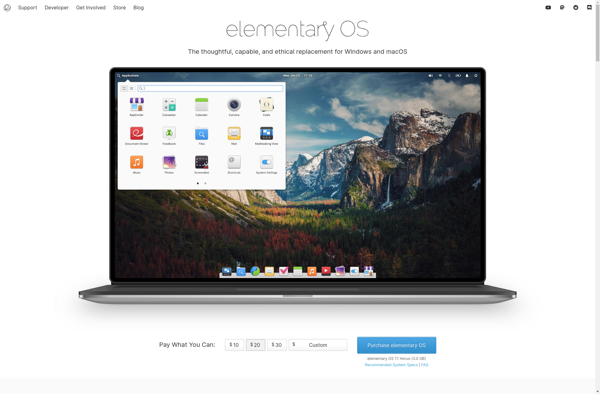
elementary OS is a Linux distribution based on Ubuntu that focuses on providing a fast, open, and privacy-respecting computing experience. It comes with a custom desktop environment called Pantheon that features a sleek and intuitive user interface designed for productivity.Some key features of elementary OS include:An app store called AppCenter...
Debian is one of the oldest and most popular Linux distributions available today. First released in 1993, it is known for its stability, commitment to free software principles, and huge repository of over 50,000 software packages.Some key facts about Debian:It is developed by a worldwide community of volunteers working together...
Fedora is a Linux distribution developed by the Fedora Project and sponsored by Red Hat. It is one of the most popular community-driven Linux distributions and is known for showcasing the latest innovations in open source software on a stable and easy-to-manage platform.Some key features of Fedora include:Uses the RPM...
Manjaro Linux is an open source, independently developed GNU/Linux distribution based on Arch Linux. It aims to provide an accessible entry point for new Linux users, while maintaining the DIY spirit and technical simplicity that Arch Linux is known for.Some key features of Manjaro Linux include:User-friendly graphical installers for quick...
openSUSE is a versatile Linux distribution that can be used on desktops, laptops, and servers. It focuses on being easy to use, having up-to-date software packages, and providing flexibility for different types of users.Some key features and information about openSUSE:Sponsored by SUSE Linux and other companies, but community-developedRegular release cycle...
Kubuntu is an officially recognized flavor of the Ubuntu Linux distribution that features the KDE Plasma desktop environment instead of Ubuntu's default GNOME desktop. Kubuntu provides a user-friendly, customizable, and visually appealing desktop experience powered by the latest KDE Plasma technologies.Some key features and characteristics of Kubuntu include:Uses the lightweight...