Variable Grid System is an open-source, flexible grid framework for responsive web design. It allows developers to build fluid grid layouts that adapt to any screen size or device. The system uses Sass variables to customize column counts, gutter widths, and more.
Variable Grid System: Flexible Responsive Web Design Framework
An open-source grid framework for responsive web design with customizable column counts, gutter widths, and more using Sass variables.
What is Variable Grid System?
The Variable Grid System is an open-source, flexible grid framework designed specifically for responsive web design. It gives developers an easy way to build adaptive, fluid layouts that look great on any device.
Unlike other grid systems that rely on fixed column counts, VGS uses Sass variables to define the number of columns for various breakpoint sizes. Developers can customize the grid on a project-by-project basis, changing the number of columns, gutter widths, max width, and more.
Some key features of Variable Grid System:
Fully responsive - fluid columns adapt seamlessly to any screen size
Customizable with Sass variables - change columns, gutters, layout, and more
Lightweight vanilla Sass - no dependencies required
Nestable grid elements for intricate layouts
Built-in helper classes for visibility, floats, alignment, and more
Extensive inline documentation and examples
Actively maintained on GitHub
With its flexibility and customization options, VGS is a great choice for web designers and developers looking for a simple, responsive grid system for their projects.
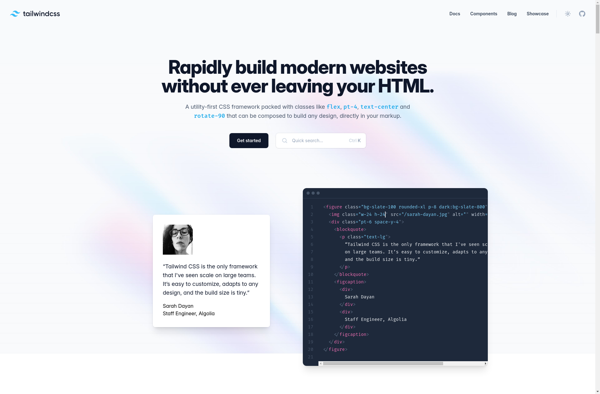
Tailwind CSS is an open-source CSS framework that takes a utility-first approach for building custom user interfaces. Instead of opinionated pre-designed components, Tailwind provides low-level utility classes for typical CSS properties like color, padding, font-size, etc. Developers can compose these atomic utility classes together to rapidly build out UI without...
Materialize is an open-source front-end framework that helps web developers build responsive and mobile-first websites quickly. It is based on Google's Material Design principles and provides many user interface components out of the box to construct web pages, including:ButtonsCardsChipsFormsNavbarsGrid systemTablesModalsToastsAnd more...Developers can simply include the Materialize CSS and JavaScript files...
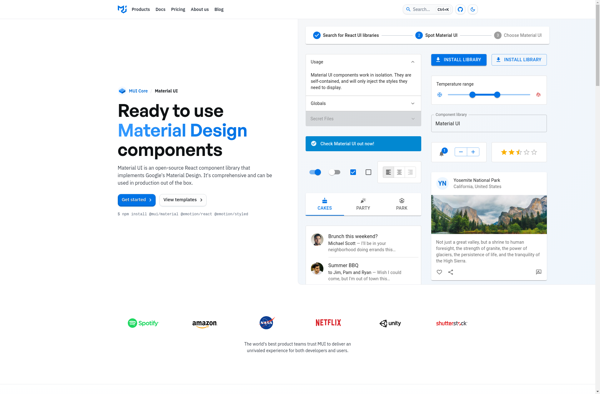
Material UI is an open-source React component library that implements Google's Material Design guidelines. It provides developers with a collection of reusable UI components that can be used to quickly build high-quality, responsive web applications.Some key features of Material UI include:Over 60 ready-made components like buttons, cards, menus, lists, etc.Responsive...
UIkit is an open-source web framework for developing fast and powerful web interfaces. It provides a collection of reusable HTML, CSS, and JavaScript components that can be used to build responsive, mobile-first websites and applications.Some key features of UIkit include:An extensive library of pre-built components like typography, forms, tables, tabs,...
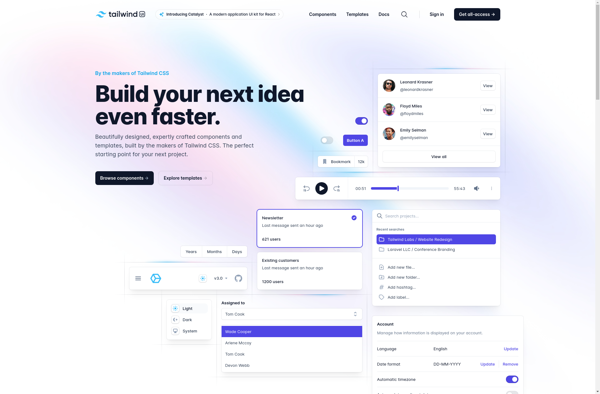
Tailwind UI is an extensive, open-source component library for Tailwind CSS created by the developers of Tailwind CSS itself. It features over 100 responsive HTML and React components and pages that can be used to accelerate development of web applications built with Tailwind.Some of the key features and benefits of...
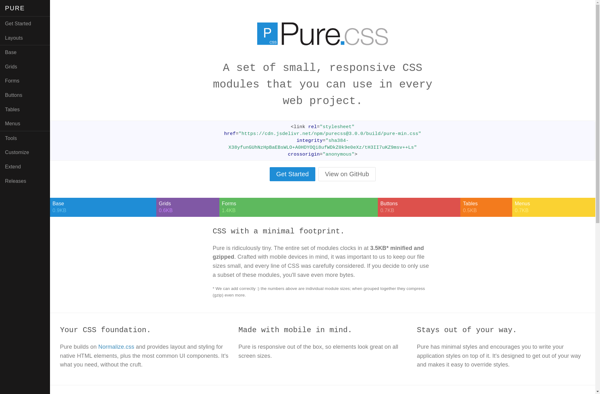
Purecss is an open-source CSS framework designed for quickly building lightweight, responsive web interfaces. Here are some key details about Purecss:Created and maintained by Yahoo/Verizon Media.Very lightweight at 4.5KB minified and gzipped.Follows a modular approach, allowing developers to include only the CSS for components they need.Provides layout modules like grids,...
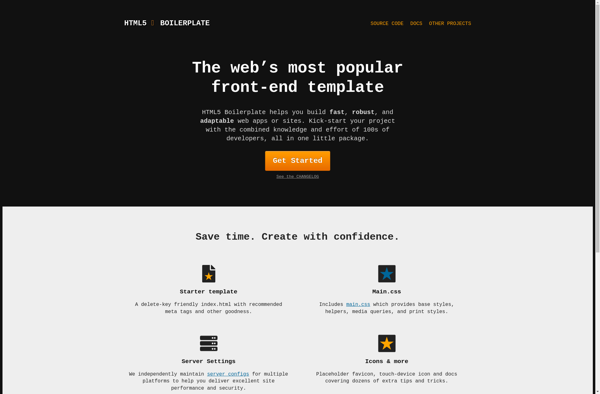
HTML5 Boilerplate is an open source front-end web development framework launched in 2010 to help web developers quickly build fast, robust, and adaptable web apps or sites.It provides a basic HTML structure with useful defaults and best practices baked in, such as:Normalize.css for cross-browser compatibility jQuery and Modernizr JavaScript librariesPlaceholder...
Skeleton is an open source, lightweight front-end framework for developing responsive web pages and apps. It's designed to be a starting point rather than a UI library like Bootstrap or Foundation.Here are some key features of Skeleton:Lightweight at just 400 lines of CSSFully responsive grid down to mobile devicesSyntax highlighting...
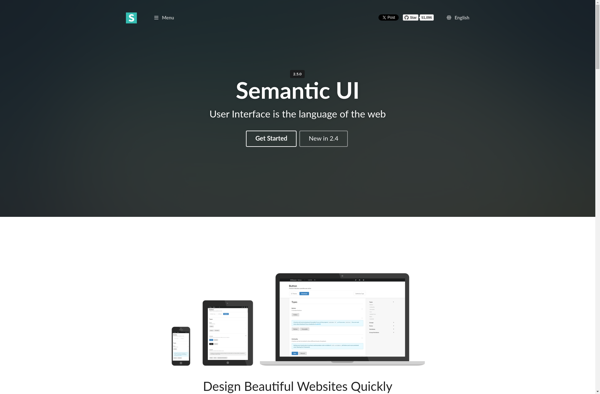
Semantic UI is an open-source front-end development framework that helps web developers build consistent, responsive web pages and web applications. It provides theming capabilities, templates, and reusable UI components to quickly build modern interfaces.Some key features of Semantic UI:Responsive grid system for building responsive layoutsprebuilt UI components like buttons, menus,...
Topcoat is an open-source CSS library created and maintained by Adobe to provide designers and developers with a set of reusable UI components for building web applications and sites. The goal of Topcoat is to help streamline interface design with lightweight, flexible CSS code that is easy to implement and...