Shine is an open-source CSS framework that provides basic styling for building responsive web pages. It includes a 12-column grid system, CSS resets, typography, forms, buttons, navigation and more. Shine aims to provide a lightweight starting point for web design.
Shine CSS Framework: Open-Source Responsive Web Design
A 12-column grid system, CSS resets, typography, forms, buttons, navigation and more, Shine provides a lightweight starting point for web design
What is Shine CSS Framework?
The Shine CSS Framework is an open-source cascading style sheet framework for designing responsive web pages and web applications. Developed by Muhammed Erdem, Shine provides basic styling constructs that can save developers time and avoid cross-browser compatibility issues.
Some of the key features of Shine CSS Framework include:
Lightweight design - Only 16KB when minified and gzipped
12-column responsive grid system for building layouts that work on all devices and screen sizes
CSS resets for consistency across different browsers
Typography defaults including font-sizes, margins and line-heights
Buttons, forms, tables and navigation constructs
Built with Sass and easily customizable using CSS variables
Supports modern CSS layout methods like Flexbox and Grid
Shine is designed to provide an easy starting point when beginning a new web design project. With its minimal codebase developers can then shape the styling to their specific needs efficiently. The responsive grid and consistent cross-browser resets allow for rapid prototyping across devices.
While simple at its core, Shine CSS Framework offers the fundamentals for building modern, mobile-friendly web projects with HTML and CSS.
Tailwind CSS is an open-source CSS framework that takes a utility-first approach for building custom user interfaces. Instead of opinionated pre-designed components, Tailwind provides low-level utility classes for typical CSS properties like color, padding, font-size, etc. Developers can compose these atomic utility classes together to rapidly build out UI without...
Materialize is an open-source front-end framework that helps web developers build responsive and mobile-first websites quickly. It is based on Google's Material Design principles and provides many user interface components out of the box to construct web pages, including:ButtonsCardsChipsFormsNavbarsGrid systemTablesModalsToastsAnd more...Developers can simply include the Materialize CSS and JavaScript files...
Eva Design System is an open-source UI library and design system that provides components and tools for building consistent, accessible web applications and websites. Developed by Akveo, Eva Design System offers a comprehensive collection of customizable UI components, including:ButtonsForm elements like inputs, selects, checkboxesNavigation elements like breadcrumbs, pagination, stepsData elements...
Material UI is an open-source React component library that implements Google's Material Design guidelines. It provides developers with a collection of reusable UI components that can be used to quickly build high-quality, responsive web applications.Some key features of Material UI include:Over 60 ready-made components like buttons, cards, menus, lists, etc.Responsive...
Tailwind UI is an extensive, open-source component library for Tailwind CSS created by the developers of Tailwind CSS itself. It features over 100 responsive HTML and React components and pages that can be used to accelerate development of web applications built with Tailwind.Some of the key features and benefits of...
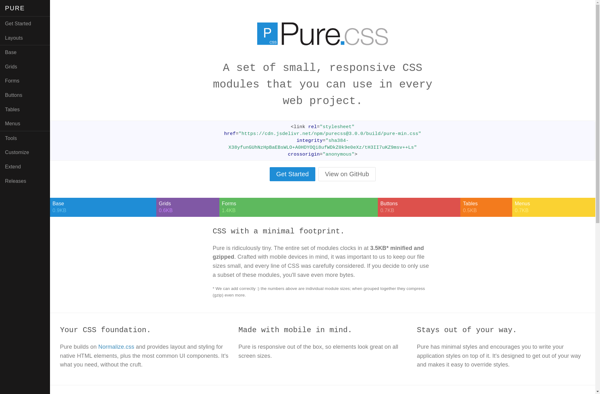
Purecss is an open-source CSS framework designed for quickly building lightweight, responsive web interfaces. Here are some key details about Purecss:Created and maintained by Yahoo/Verizon Media.Very lightweight at 4.5KB minified and gzipped.Follows a modular approach, allowing developers to include only the CSS for components they need.Provides layout modules like grids,...
Skeleton is an open source, lightweight front-end framework for developing responsive web pages and apps. It's designed to be a starting point rather than a UI library like Bootstrap or Foundation.Here are some key features of Skeleton:Lightweight at just 400 lines of CSSFully responsive grid down to mobile devicesSyntax highlighting...
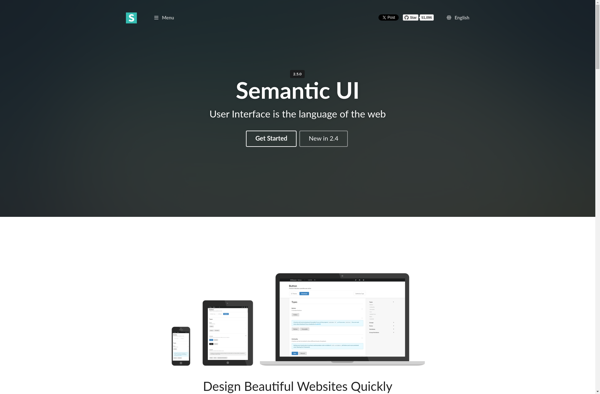
Semantic UI is an open-source front-end development framework that helps web developers build consistent, responsive web pages and web applications. It provides theming capabilities, templates, and reusable UI components to quickly build modern interfaces.Some key features of Semantic UI:Responsive grid system for building responsive layoutsprebuilt UI components like buttons, menus,...
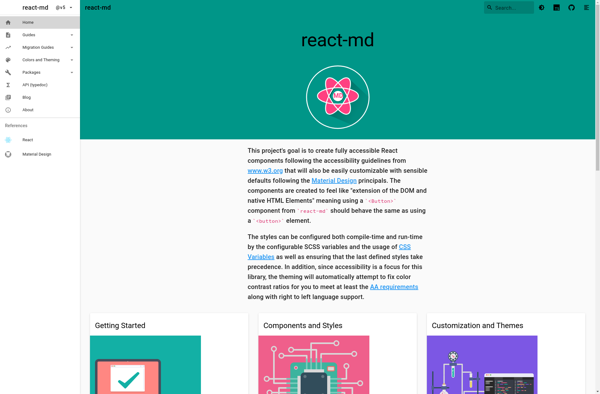
react-md is an open-source React component library that implements Google's Material Design specification. It provides a set of reusable UI components like buttons, cards, menus, dialogs, etc. that allow developers to quickly build web applications with a Material Design look and feel.Some key features of react-md include:Components follow Material Design...
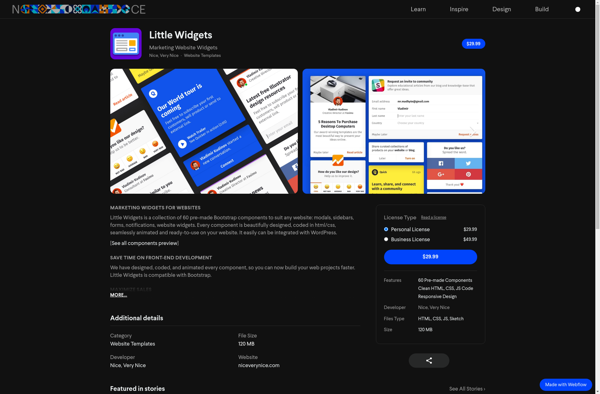
Little Widgets is a user-friendly widget creation and management application designed to provide an intuitive interface for designing, customizing, and deploying widgets across digital platforms. With its drag-and-drop widget builder, users can easily create engaging widgets in just minutes without needing to know how to code.The software comes packed with...