
Travis CI

Travis CI: Hosted Continuous Integration Service
Free hosted continuous integration service for building, testing, and deploying software projects at GitHub, ideal for open source projects.
What is Travis CI?
What Is Travis CI?
Travis CI is a continuous integration service that automatically builds and tests code changes pushed to GitHub repositories. It was one of the first CI services to offer free builds for open-source projects, making it a foundational tool in the open-source ecosystem.
Key Features
Travis CI uses a .travis.yml configuration file in your repository to define build environments, dependencies, test commands, and deployment targets. It supports multiple programming languages and can test against multiple language versions in parallel (build matrix).
The service provides build logs, status badges, notifications (email, Slack, IRC), and deployment to platforms like Heroku, AWS, and npm. Each build runs in an isolated virtual machine or container for reproducibility.
Pricing
Travis CI is free for open-source projects on travis-ci.com. Paid plans for private repositories start at approximately 69 dollars per month for 1 concurrent job. Usage-based pricing is also available.
Travis CI vs GitHub Actions
GitHub Actions has largely replaced Travis CI for many projects due to tighter GitHub integration, generous free tier, and more flexible workflow definitions. Travis CI remains in use for projects with existing configurations and teams that prefer its simpler YAML syntax.
Travis CI Features
Features
- Automated builds and testing
- Easy integration with GitHub
- Supports many languages and frameworks
- Parallel testing
- Caching for faster builds
- Notifications via email, IRC, Campfire etc
- Ability to deploy to various platforms
- Customizable build configuration
- Access to build logs
Pricing
- Free
- Freemium
- Open Source
Pros
Cons
Official Links
Reviews & Ratings
Login to Review64 reviews
Rating Breakdown
Recent Reviews
Sarah Wright
Jun 01, 2026Essential for Open Source Projects
Travis CI has become an integral part of our open-source workflow. Setting up builds directly from our GitHub repository was incredibly straightforward, and the YAML configuration is both powerful and readable. It reliably runs our test suite on every pull …
Dakota Moore
May 27, 2026A Lifesaver for Open Source Projects
As a developer working on several public GitHub repos, Travis CI has been fantastic. Setting up a .travis.yml file is straightforward, and having automated builds and tests run on every push gives me immense peace of mind. It's incredibly reliable …
Sage Harris
May 24, 2026Essential CI/CD tool for open source projects
Travis CI has been a game-changer for our open source project. The GitHub integration is seamless—just push a commit and our tests run automatically. While the configuration YAML took a bit to learn, the documentation was clear, and now our …
Emma Hill
May 21, 2026A Solid Foundation for Open Source CI/CD
Travis CI has been a fantastic tool for our open-source project on GitHub. Setting up our CI pipeline was straightforward with a simple .travis.yml file, and the seamless GitHub integration means every pull request automatically triggers a build. It's been …
Quinn Davis
May 19, 2026Seamless Integration for GitHub Projects
Travis CI has been a game-changer for our open-source team. Setting up builds and tests for our GitHub repositories was incredibly straightforward, and the YAML configuration is both powerful and simple to understand. It reliably runs our test suite on …
Rating Distribution
The Best Travis CI Alternatives
View all Travis CI alternatives with detailed comparison →
Top Development and Continuous Integration and other similar apps like Travis CI
Here are some alternatives to Travis CI:
Suggest an alternative ❐
Jenkins


CircleCI


GitHub Actions


JetBrains TeamCity


Sr.ht


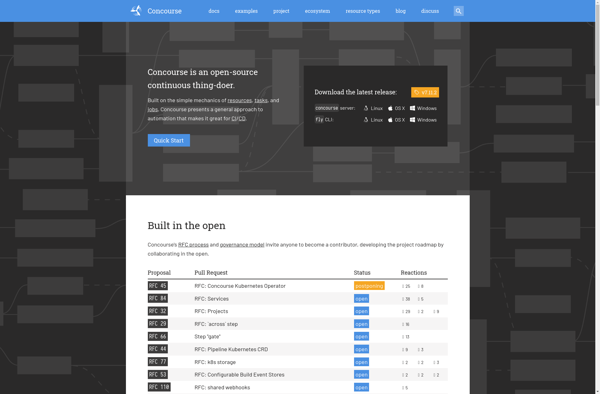
Concourse

Earthly


Storm.dev

Codeship


Cyclic


Azure DevOps


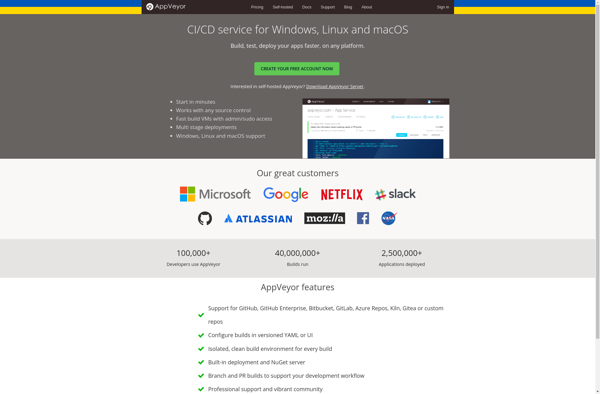
AppVeyor

Assembla


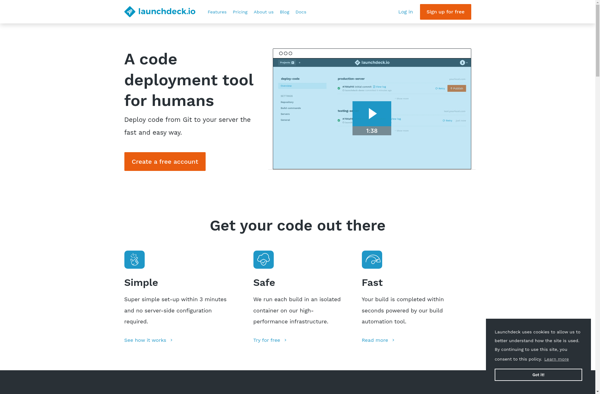
Launchdeck

Peakflow


Laminar


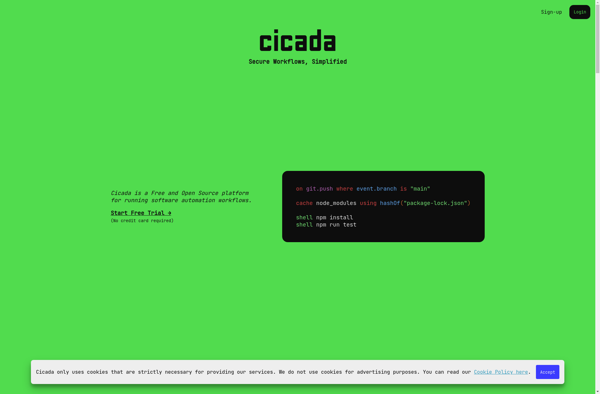
Cicada.sh

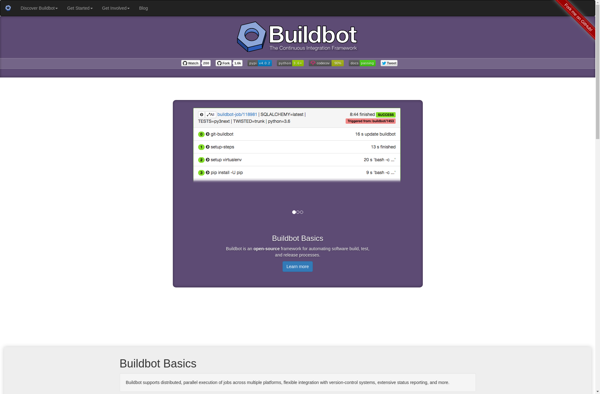
Buildbot

Drone.io


Agola


Strider CD


Taskcluster

Zuul


Screwdriver


Bitrise


Apache Continuum


GreenhouseCI


Shippable

Distelli


Semaphore


Bitten


Bitbucket Pipelines


Xinc


Continua CI


Parabuild


BuildHive

Razorops


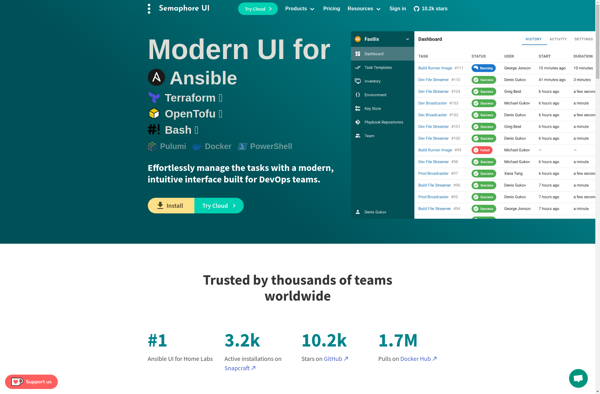
Ansible Semaphore

Buildkite


Vexor.io