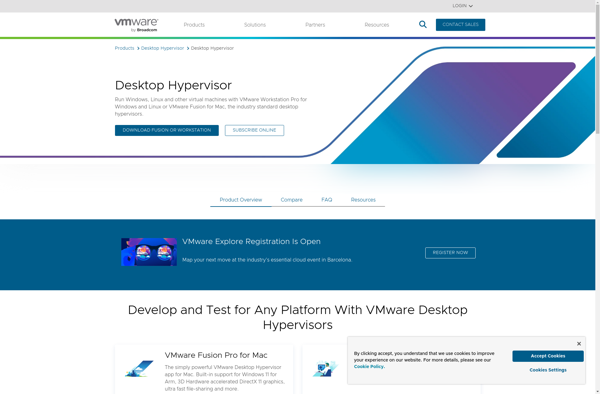
VMware Workstation Pro is a desktop virtualization software that allows users to run multiple operating systems as virtual machines on a single physical machine. It is used for software development, testing, running legacy apps, and training.
Desktop virtualization software that allows multiple OS runs on a single physical machine for software development, testing, legacy apps, and training.
What is VMware Workstation Pro?
VMware Workstation Pro is a Type 2 hypervisor developed by VMware for desktop virtualization on x64 versions of Windows and Linux. It allows users to set up multiple virtual machines on a single physical machine and run different operating systems and applications in each VM without rebooting.
Key features include:
Ability to run production environments and real-world testing scenarios with hundreds of OS and app combinations on a single PC
Snapshotting for quick rollback of VMs to previous states
VM cloning for rapid deployment of identical VMs
Virtual networking and network simulation between VMs and host machine
Support for latest OS versions (Windows 11, Windows Server 2022, Linux kernels etc.) and resource-intensive apps
Powerful customization with access to all host resources for storage, graphics, peripherals etc.
Security features like isolation between VMs, role-based access controls, and data encryption
Use cases include software development and testing, running legacy/incompatible apps, disaster recovery simulations, IT training, platform migration testing, and server consolidation to reduce hardware costs. It compares with paid products like Oracle VM VirtualBox and open-source options like QEMU.
VMware Workstation Pro Features
Features
Create and run multiple virtual machines simultaneously
Install and run over 200 operating systems including Windows, Linux, etc
Isolate VMs from host machine for added security
Take snapshots to save VM state and revert anytime
Drag-and-drop files between host and VMs
Virtual networking and sharing options
3D graphics support for gaming, CAD, etc
Unity mode to run VMs seamlessly with host desktop
QEMU is a free and open source hypervisor and machine emulator. It emulates a complete computer system, including the processor, memory, storage, network interfaces and peripherals. This allows you to run software and operating systems written for one machine on a different machine.Some key features of QEMU include:Full system emulation...
Oracle VM VirtualBox, commonly referred to as VirtualBox, is a powerful and open-source virtualization platform developed by Oracle. It allows users to create and manage virtual machines (VMs) on a host machine, enabling the simultaneous execution of multiple operating systems on a single physical system. Key Features: Cross-Platform Support: VirtualBox...
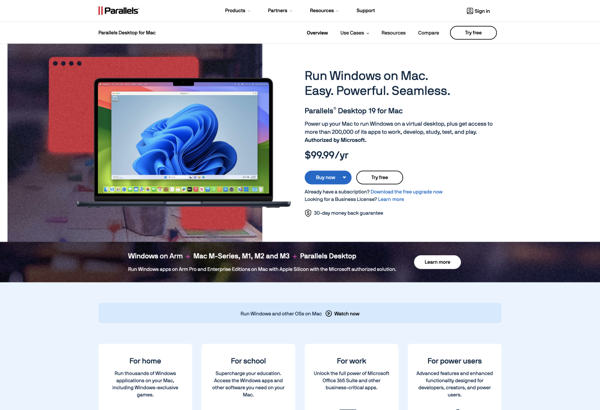
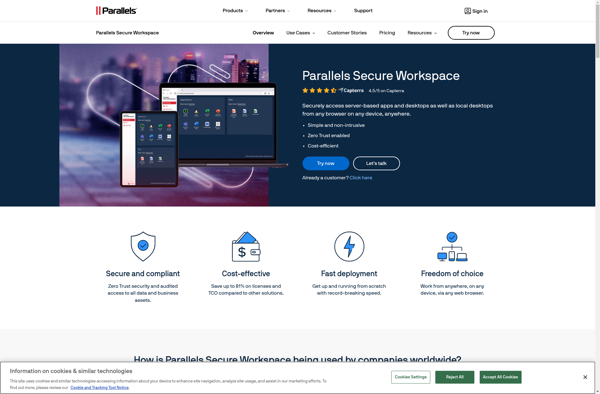
Parallels Desktop is a popular virtualization solution specifically designed for macOS, enabling users to run multiple operating systems on their Mac computers. It is known for its user-friendly interface, performance optimizations, and seamless integration of virtual machines with the macOS environment. Key Features: Cross-Platform Virtualization: Parallels Desktop supports a wide...
Limbo PC Emulator is an open-source emulator that allows you to run Windows software on Linux, macOS, and other platforms. It uses Wine and QEMU virtualization to provide compatibility with Windows applications.Some key features of Limbo include:Full compatibility with most Windows software without needing an actual Windows license or installationLightweight...
Windows Sandbox is a virtualized desktop environment included in recent versions of the Windows 10 and Windows 11 operating systems. It allows users to run untrusted or unreliable software applications in an isolated environment without risking damage to the host device or operating system.Sandbox provides a lightweight virtual machine that...
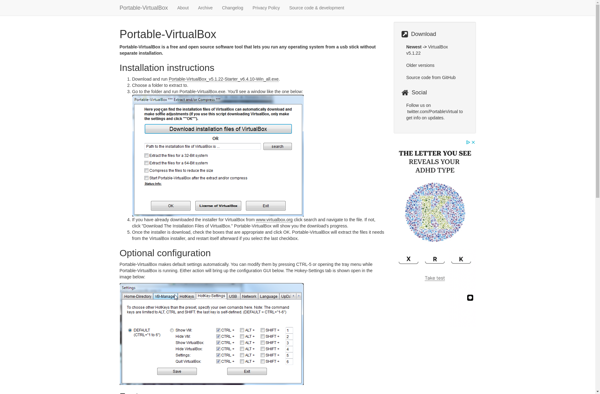
Portable Virtualbox is a free, open-source virtualization software that allows you to run multiple guest operating systems on your Windows host computer without needing to go through a lengthy install process. It runs directly off a USB thumb drive, making it easy to take your virtual machines with you wherever...
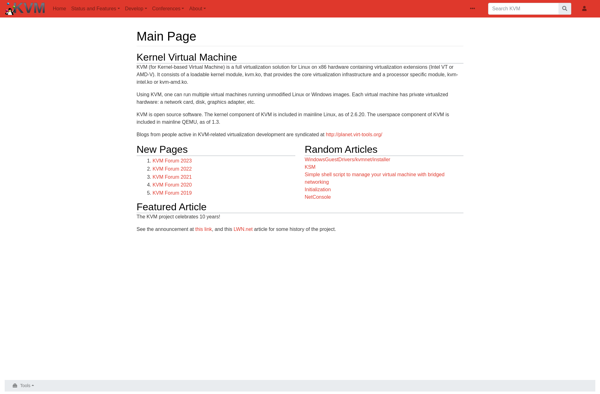
KVM (Kernel-based Virtual Machine) is an open-source virtualization technology built into Linux. It allows you to create and run virtual machines (VMs) on any Linux server or desktop with hardware virtualization capabilities.KVM is implemented as a kernel module that leverages the virtualization extensions of modern CPUs like Intel VT or...
QEMU Manager is an open-source graphical front-end application for managing QEMU virtual machines. It provides an intuitive interface for creating, running, stopping, deleting, and monitoring QEMU VMs without needing to use the QEMU command line.Key features of QEMU Manager include:Create new QEMU VMs with customizable hardware configurations such as CPU,...
VMware Fusion is a Type 2 hypervisor developed by VMware for Mac users. It allows you to create and run virtual machines that emulate other operating systems on your Mac hardware. Fusion provides a simple user interface to set up, manage, and use virtual machines.Some key features and capabilities of...
Multipass is an open source virtual machine manager developed by Canonical for Linux, Windows and macOS operating systems. It allows users to easily create, manage and run Ubuntu virtual machines.Some key features of Multipass include:Simple command line interface to launch, delete and manage Ubuntu VMsLightweight and fast VM launch timesSupport...
Bochs is an open source emulator for the x86 architecture, allowing you to run operating systems like Windows, Linux, BSD and others on your computer without needing virtualization support from the CPU. It emulates common x86 hardware, including the CPU, memory, disks, network cards, graphics and more.Some key features of...
UCS Virtual Machine Manager (UCS VMM) is a comprehensive virtualization management platform designed specifically for Cisco UCS environments. It enables IT administrators to centrally manage their entire virtual infrastructure from one simple web-based interface.Key capabilities and benefits of UCS VMM include:Automated provisioning of virtual machines on UCS serversMonitoring and management...
Boxes is an open-source and free virtualization application for Windows, Linux and Mac OS. It allows users to run multiple operating systems simultaneously on a single machine. Boxes creates virtual machines that act like real computers, on which users can install operating systems like Windows, Linux, etc.Some key features of...
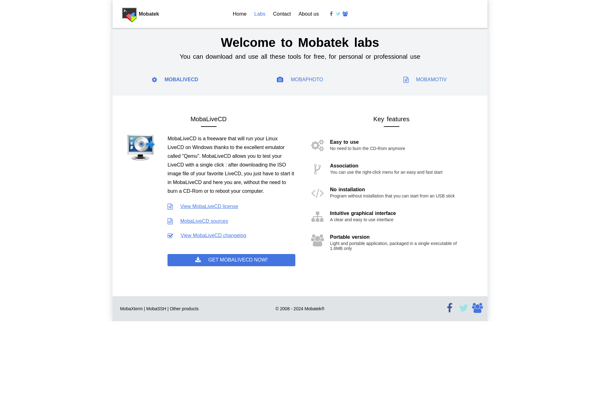
MobaLiveCD is a bootable live Linux distribution that is tailored for mobile broadband usage and troubleshooting. It can be run directly from a CD or USB drive without needing to install anything on the computer's hard drive.Some key features of MobaLiveCD include:Comes preloaded with various applications like speedtest-cli, iperf3, ping,...
GDaaS (Graphics Desktop as a Service) is a cloud-based virtual desktop infrastructure that provides users with on-demand access to high-performance graphics applications and workstations through the cloud. It allows companies to leverage scalable GPU resources to power graphics and computing workloads without having to invest in expensive hardware.Some key benefits...
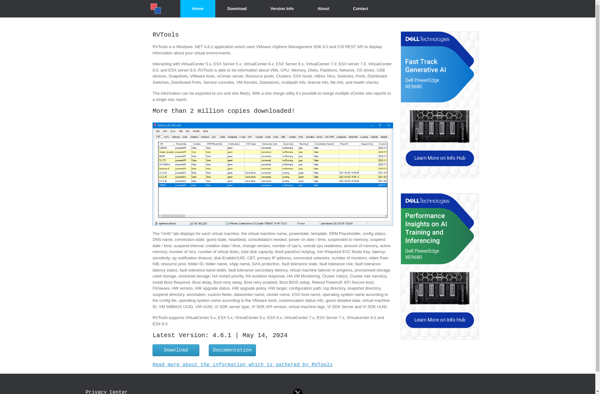
RVTools is a free virtualization management and reporting tool used to gather detailed configuration and performance data from VMware vCenter servers. It provides administrators and engineers with in-depth visibility into their vSphere environments including virtual machines, hosts, clusters, networking, and storage.Key features and capabilities of RVTools include:Discovery of inventory objects...
Awingu is a cloud-based remote desktop and application delivery platform aimed at small and medium-sized businesses. It allows users to access computers, applications, and files from anywhere through a web browser or mobile app.Key features of Awingu include:Centralized remote desktop and application access - Users can remotely access on-premise computers...
VMWare Disk Mount is a free, standalone utility from VMWare that allows you to mount virtual disks on a Windows machine without needing to run VMware or Hyper-V hypervisors. It supports mounting VMDK and VHD format virtual disks and provides read-only access to files and folders stored on those disks.Once...
JPCSIM is an open-source, Java-based, discrete event simulation software designed specifically for modeling manufacturing systems like production lines, assembly operations, supply chains, and more. It provides a graphical modeling interface that allows users to quickly build simulations by adding and connecting functional blocks that represent individual processes or operations.Some key...
VMLite Workstation is a powerful, free system virtualization platform for desktop computers. It allows you to simultaneously run multiple operating systems as virtual machines on a single physical host system. VMLite Workstation works on Windows, Linux, and Mac OS X host operating systems.Some key features of VMLite Workstation include:Ability to...
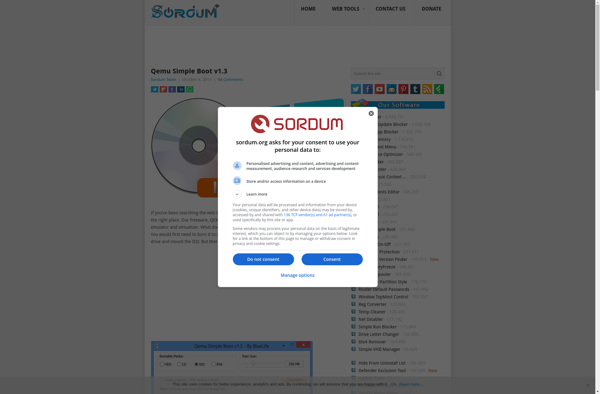
Qemu Simple Boot is an open-source emulator that allows you to create and run virtual machines on your computer without going through a lengthy boot process. It is part of the Qemu project for machine virtualization.Some key features of Qemu Simple Boot:Allows you to quickly test operating systems or programs...
Bhyve is an open-source Type 2 hypervisor that runs on FreeBSD. It allows users to run multiple guest operating systems (called virtual machines or VMs) simultaneously on a single FreeBSD host system. Bhyve supports hardware virtualization features like Intel VT-x and AMD-V to improve the performance of guest VMs.Some key...
VMmanager is an open source virtual machine manager for Linux operating systems. It provides a graphical user interface to help manage virtual machines powered by KVM hypervisor and QEMU emulator.Some of the key features of VMmanager include:Intuitive GUI for virtual machine management operations like create, delete, start, pause, clone and...
GreenVBox is an open-source and free virtualization software that allows users to run multiple guest operating systems on a single host machine. It utilizes hypervisor technology to create isolated virtual machines that share hardware resources from the host.Some key features of GreenVBox include:Lightweight and fast performance - It has a...
VirtualBuddy is an advanced virtual assistant software powered by artificial intelligence and natural language processing. It is designed to help individuals and teams improve productivity and efficiency by automating administrative tasks and providing useful information on demand.Users can interact with VirtualBuddy completely hands-free using natural voice commands. It can take...
XHypervisor is an open-source, lightweight Type-1 hypervisor designed for enterprise virtualization. As a bare-metal hypervisor, XHypervisor installs directly onto server hardware to control the hardware and manage guest operating systems.Some key features of XHypervisor include:Efficient resource management using dynamic memory and storage allocationLive migration of virtual machines between hosts with...
FAUMachine is an open-source, cross-platform application for designing, visualizing, and simulating finite automata. It allows users to create nondeterministic and deterministic finite automata (NFAs and DFAs), convert them into state diagrams, minimize DFAs, and test them with input strings.Some key features of FAUMachine include:Intuitive drag-and-drop interface for creating states and...
Virtual PC is virtualization software from Microsoft that allows you to run multiple operating systems as virtual machines on a Windows host computer. It provides an easy way to set up isolated environments for testing software, running alternate operating systems, or compartmentalizing different tasks.Some key features of Virtual PC include:Ability...
GNURoot Debian is an application for Android that provides a chrooted Debian GNU/Linux environment that runs directly on top of the Android kernel, without the need for device root access or installation of a custom ROM.It sets up a minimal Debian filesystem with access to most Android hardware like the...
VMware Server is a type 2 bare-metal hypervisor developed by VMware that runs directly on top of the host operating system. It allows users to create and run multiple virtual machines on a single physical server, providing a cost-effective way to utilize hardware resources more efficiently.Some key features of VMware...
Parallels Workstation is a desktop virtualization software that enables users to run multiple operating systems on a single physical computer. It utilizes hypervisor technology to create isolated virtual machines where different operating systems can be installed and used simultaneously.Some key features of Parallels Workstation include:Ability to run Windows, Linux, macOS,...
VMLite XP Mode is a free virtualization software that allows users to run Windows XP as a virtual machine on modern Windows operating systems. It utilizes lightweight virtualization technology to provide an integrated XP virtual machine without slowing down the host system.Some key features of VMLite XP Mode include:Allows running...
OpenVZ is an open source container-based virtualization platform for Linux operating systems. It provides operating system-level virtualization that allows multiple isolated virtual containers, called Virtual Private Servers (VPSs), to run on a single physical server.With OpenVZ, each VPS runs its own operating system and applications separate from the other VPSs...
SysInfoTools Virtual Disk Machine Recovery Tool is a comprehensive utility designed to recover deleted, corrupted, or inaccessible virtual machine disk files. It supports recovering data from major virtual disk formats such as VMDK, VHD, and VHDX used in VMware, Hyper-V, VirtualBox, and other virtualization platforms.The tool provides an intuitive interface...
VMX Builder is a Windows desktop application designed to simplify the creation and configuration of VMware virtual machine definition files with the .vmx extension. Instead of manually editing the text-based .vmx files, VMX Builder provides a graphical user interface to set up and configure all aspects of a VM.Key features...
USBFastBoot is a lightweight and portable Windows application that provides a quick way to reboot your computer directly into the BIOS or boot menu screen. It works by temporarily emulating a USB device being plugged in, which triggers most PCs to open the boot options menu on the next restart.This...